
Light Requirements
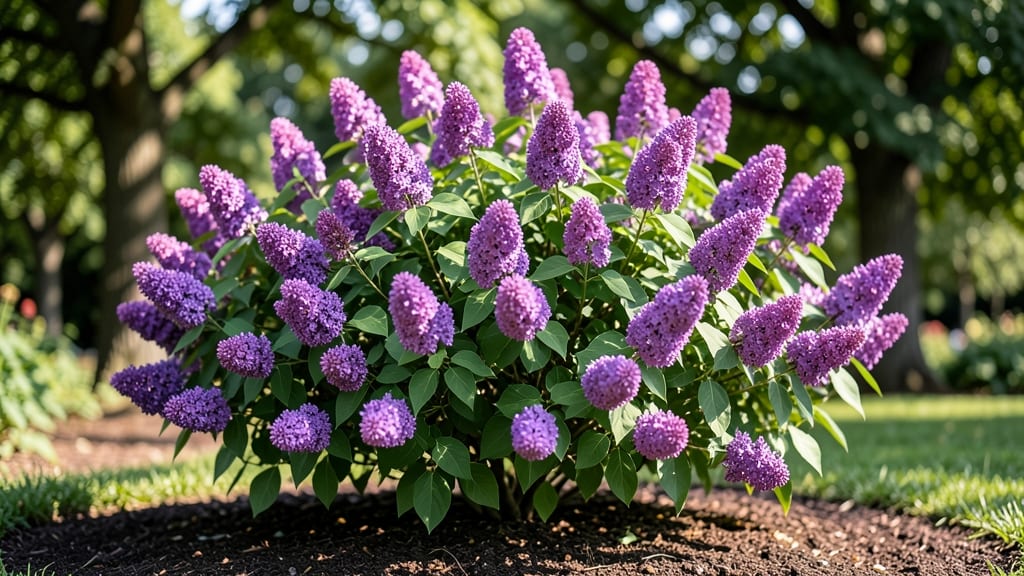
A lilac bush needs at least 6 hours of full sun daily to burst into those fragrant blooms you love 🌸 — but too much scorching heat can actually ruin the show.
If your lilac bush isn’t blooming like your neighbor’s, the culprit might be sunlight—or the lack of it. Too little light means sparse flowers, while too much can crisp the edges of leaves and stunt growth. The secret is finding that sweet spot where the bush thrives without stress.
This isn’t just about throwing a lilac into the sunniest corner of your yard. Regional differences, soil quality, and even nearby structures can change how much light your bush actually gets.
For example, a south-facing spot in Zone 6a might work perfectly, while a north-side garden could leave your lilac struggling.
Below, I’ll break down exactly how to position your lilac for peak blooms, spot the signs of sun stress, and adjust care based on your garden’s unique conditions. By the end, you’ll know how to turn your spring fragrance into a showstopper every year.

Ideal sunlight hours for lilac bushes: the 6+ rule explained
Lilac bushes (Syringa spp.) thrive when they receive 6+ hours of direct sunlight daily, but their needs shift depending on whether they're in their vegetative stage (leaf growth) or flowering stage.
Too little sun means sparse blooms, while too much can scorch leaves in hot climates. Let’s break down the 6+ rule and how to apply it to your garden.
For young lilacs (first 2-3 years), 4-6 hours of sun is ideal to prevent stress. Mature bushes, however, demand full sun (6+ hours) to produce their signature fragrant blooms.
The key is balancing light exposure with your local microclimate—urban gardens often need adjustments due to heat islands and reflective surfaces.
Regional variations matter too. In USDA Zones 5-7, lilacs handle full sun easily, but in hotter climates (Zones 8-9), afternoon shade helps prevent leaf burn. Always observe your bush’s leaf color and bloom density to fine-tune its placement.
| Growth Stage | Sunlight Needs | Partial Shade Impact | Urban Adjustments |
|---|---|---|---|
| Vegetative (Spring) | 4-6 hours | Slower leaf growth | Reflective walls = extra 1-2 hours |
| Flowering (Late Spring) | 6+ hours | Fewer blooms, weaker fragrance | Choose dwarf varieties for containers |
| Established (Summer) | 6+ hours (afternoon shade in Zone 8+) | Leaf scorch risk | Use light-colored mulch |
| Dormant (Fall/Winter) | 3-4 hours (minimum) | No impact | Prune for better light penetration |
In urban gardens, buildings and pavement can create heat islands, increasing sunlight intensity. If your lilac’s leaves show brown edges, it’s getting too much sun—move it 2-3 feet east or add a light shade cloth (30-50%).
For rural gardens, focus on southern exposures and avoid planting near large trees that steal light.
Did you know? Lilacs in containers need 10-12 hours of sun to compensate for root restriction. Use lightweight, fast-draining soil and rotate pots monthly for even growth. If your container lilac isn’t blooming, it’s likely starved for sunlight—move it to a sunnier spot immediately.
For regional sun exposure, check your local climate zone. In Pacific Northwest (Zone 7-8), lilacs thrive with morning sun + afternoon shade. In Midwest (Zone 5-6), full sun is ideal year-round. Always monitor leaf health—healthy lilac leaves are deep green and glossy.
Pro tip: Prune lilacs after flowering to improve air circulation and sunlight penetration. Remove 1/3 of old wood every 2-3 years to rejuvenate growth. This opens up the bush, ensuring inner stems get their fair share of sunlight for better blooming next season.
If you’re still unsure, test your garden’s sunlight for a week using a sunlight tracker (or a simple white board).
Place it where your lilac will go—if it’s shaded for more than 4 hours daily, consider a sunnier location or a dwarf variety like ‘Little Chief’ that tolerates 3-4 hours of sun.
Remember, consistency is key. Sudden changes in sunlight (like moving a potted lilac from shade to full sun) can shock the plant. Gradually acclimate it over 7-10 days to avoid stress.
With the right sunlight balance, your lilac will reward you with vibrant blooms and intoxicating fragrance for decades.
Signs your lilac bush has too much or too little sun
Your lilac bush might be silently screaming for help if it’s not getting the right amount of sunlight. Too much sun causes leaf scorch and crispy edges, while too little leads to sparse blooms and leggy growth.
Let’s decode the visual clues your plant is giving you—before it’s too late this season.
First, check the leaves. If they’re yellowing or developing brown patches along the edges, your lilac is likely sunburned from excessive light. On the flip side, if the leaves are dark green but the plant grows tall and spindly with few flowers, it’s craving more sun exposure.
These signs are your lilac’s way of saying, “Adjust my spot!”
For excess sun, start by moving your lilac to a spot with morning sun and afternoon shade. If that’s not possible, use a light shade cloth (30-50% coverage) to filter harsh rays. Prune any sunburned leaves immediately to prevent further damage and encourage new growth.
If your lilac is underperforming due to too little sun, consider transplanting it to a sunnier location in your yard. Even just 2-3 extra hours of sunlight can dramatically improve blooming.
For container lilacs, place them near a south-facing wall or use reflective surfaces like white gravel to bounce extra light onto the plant.
Remember, lilacs are hardy plants, but they need balance. Aim for 6+ hours of sunlight daily and monitor their response. With the right adjustments, your lilac will reward you with abundant blooms and that iconic fragrance next spring.
🌸