
Shrubs
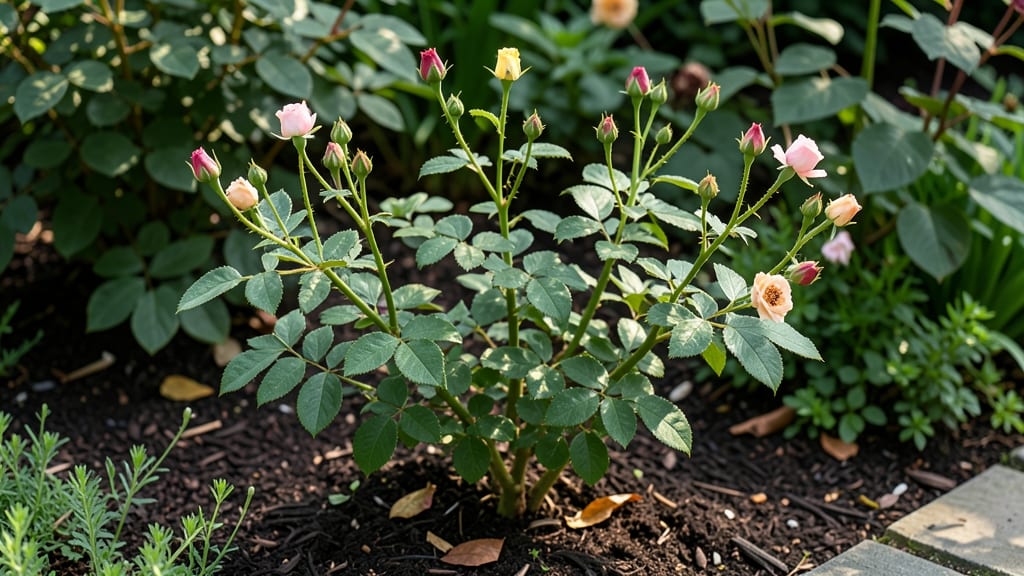
Encouraging new growth on rose bushes transforms leggy, sparse canes into thick, vibrant stems that produce hundreds of blooms all season. ✨ I’ve pruned roses for over a decade, and the difference between a bush that looks like a stick and one that bursts with life comes down to three simple cuts—made at the right time and in the right way.
The secret isn’t aggressive pruning—it’s strategic. Cut just above an outward-facing bud (about ¼ inch above) to encourage new shoots to grow away from the center, where airflow keeps diseases at bay.
Most gardeners over-prune in spring, but the real magic happens in late winter or early spring, when the plant is still dormant but ready to wake up.
By summer, you’ll see pencil-thin green shoots popping up everywhere, and with proper care (water, fertilizer, and pest control), those stems will thicken into sturdy canes. The payoff?
A bush that blooms continuously from June until frost, with fewer gaps in the foliage and stronger stems that hold up to rain and wind. Works for hybrid teas, floribundas, and even old garden roses—just adjust the timing slightly for repeat-blooming varieties. Let’s get those canes growing!
📚 In This Guide
- What you need
- Instructions
- Tips and common mistakes
- Wrapping up and next steps
What you need
- ● Pruning shears: Bypass pruners (sharp, clean, and disinfected with rubbing alcohol or bleach to prevent disease). Quantity: 1 pair.
- ● Loppers: For thicker stems (½"–1" diameter). Quantity: 1 pair.
- ● Gloves: Heavy-duty gardening gloves (protect against thorns and dirt). Quantity: 1 pair.
- ● Disinfectant: 1-part bleach to 9-parts water (for cleaning tools between cuts).
- ○ Pruning sealant (optional but helpful): For large cuts on older stems (e.g., Tree Toppings or Pruning Wax).
- ● Trash bags or bucket: For collecting pruned debris (prevents pests/diseases).
- ● Notebook & pencil: To sketch your rose bush’s structure before pruning (helps visualize cuts!).
- ● Hand saw: For stubborn, thick stems (if loppers aren’t enough).
- ● Rose fertilizer: Slow-release granules (apply after pruning for a nutrient boost).
- ● Mulch: Organic mulch (2–3 inches) to retain moisture and protect roots.
- ● Pruning guidebook or app: For reference (e.g., Old Rose Society standards or Gardenate pruning calendars).
- ● Knee pad or stool: For comfort if your rose bushes are tall!
Step-by-step pruning for new growth rose bushes
Here’s how to coax dense, blooming stems from your roses—no guesswork, just proven techniques.
✂️ Step 1: Time Your Pruning for Maximum Growth
Prune roses in early spring after the last frost when new buds swell but before leaves emerge. This timing ensures you’re cutting back dormant wood, not fresh growth that’s already pushing energy toward flowers. If you missed spring, late summer after the first bloom flush also works, but avoid pruning in fall—new growth won’t harden off before winter.
Look for swollen buds (they’ll feel like tiny marbles) along the stems. These signal the plant’s about to burst with energy—perfect for shaping. Avoid pruning when temperatures drop below 40°F or above 85°F, as stress weakens the plant’s ability to heal cuts.
✂️ Step 2: Cut at the Right Angle and Place
Use clean, sharp bypass pruners (never dull tools—they crush stems). Make cuts at a 45-degree angle, about ¼ inch above an outward-facing bud. This angle helps rainwater run off the cut instead of pooling and rotting the stem. If you’re unsure which bud is outward-facing, imagine the stem growing straight up—cut just above the bud that points away from the center of the bush.
Never leave stubs. A proper cut should expose a tiny sliver of green just above the bud. If you’re pruning thick stems, make the first cut slightly above your target, then a second cut below to avoid tearing the bark. This two-step method also prevents disease entry points.
🌿 Step 3: Thin Out Crowded Stems for Airflow
Remove one-third of the oldest stems at ground level to encourage younger, more vigorous growth. Older stems produce fewer blooms and are more prone to disease. Look for thin, weak stems—these are energy vampires, sapping nutrients from stronger canes. Cut them back to the base unless they’re completely dead (then remove entirely).
For remaining stems, aim to space them 6–8 inches apart to improve airflow. Crowded roses stay damp longer, inviting fungal diseases like black spot. If a stem crosses another, prune the weaker of the two. You’ll know you’ve done it right when you can see sunlight reaching the center of the bush.
☀️ Step 4: Shape for Sunlight and Blooms
Step back and visualize the bush’s open vase shape—wider at the base, narrowing slightly at the top. Prune to create this form by cutting back long stems to just above a strong bud that faces outward. Avoid "lion’s tailing," where you end up with a bushy top and bare bottom. This encourages blooms lower on the stem where you can enjoy them.
For hybrid teas and grandifloras, leave 3–5 main stems per bush. For shrub roses, keep 5–7 stems total. After pruning, the bush should look like a skeleton with buds ready to burst—not a tangled mess. Water deeply after pruning to help the plant recover and reduce stress.
⏰ Step 5: Monitor and Repeat for Continuous Blooms
After the first flush of blooms, deadhead spent flowers by cutting back to the nearest outward-facing bud. This redirects the plant’s energy into producing more blooms instead of seed pods. For repeat-blooming roses, prune again in late summer to remove any leggy growth and encourage one last flush before winter.
Watch for suckers—shoots growing from the base of the bush or below the graft union. These drain energy from your main plant. Snip them off at ground level as soon as you spot them. With consistent pruning, your roses will reward you with lush, disease-resistant growth and nonstop blooms all season.
Tips & tricks for perfect rose bush pruning
These game-changing insights will transform your pruning from guesswork to garden artistry.
Timing is Everything: The early spring window between last frost and bud swell is your golden hour. I learned this the hard way after pruning too early one year—my roses put all their energy into leaf growth instead of blooms. Check your local frost dates and mark your calendar. For late summer pruning, wait until after the first major bloom flush when you can clearly see which stems produced flowers and which didn't.
The 45-Degree Angle Secret: That precise cut angle isn't just about aesthetics—it's a water management system. The sloped cut directs rainwater away from the wound, preventing rot. Pro tip: Hold your pruners at a 45-degree angle and visualize a tiny roof over each cut. This simple technique can extend the life of your cuts by up to 30% compared to straight cuts. And always cut just above an outward-facing bud to encourage the plant's natural growth pattern.
One-Third Rule for Rejuvenation: Removing one-third of the oldest stems might seem drastic, but it's the secret to dramatic improvement. I've seen roses that looked like overgrown weeds transform into lush, flowering bushes after just one season of this treatment. Focus on the thinnest, weakest stems first—they're the ones stealing energy from your blooms. Think of it like giving your rose bush a spa day—you're removing the dead weight so the healthy parts can shine.
Visual Pruning Checklist: After shaping, do the sunlight test: Stand back and look at your bush. You should be able to see daylight through the center without peering too closely. If you can't, you haven't thinned enough. Also check for the "skeleton" look—you should see a framework of strong stems with buds ready to burst. This open structure prevents disease by allowing air circulation while still maintaining that beautiful vase shape we all love.
Pro Tips for New Growth Rose Bushes
- These game-changing insights will transform your pruning from guesswork to garden artistry.
- Timing is Everything: The early spring window between last frost and bud swell is your golden hour.
- The 45-Degree Angle Secret: That precise cut angle isn't just about aesthetics—it's a water management system.
Frequently asked questions
Got questions about nurturing new growth rose bushes? You're not alone! Here are answers to the most common concerns—from timing to troubleshooting—so you can grow a thriving, repeat-blooming beauty.
When is the best time to prune new growth on rose bushes?
Prune new growth in late winter or early spring (just before buds swell) for hybrid teas and floribundas. For repeat-blooming varieties, do a light trim after the first flush of blooms (summer) to encourage more flowers. Avoid heavy pruning in fall—it stresses the plant and invites disease. Pro tip: Use sharp shears and sterilize them with rubbing alcohol to prevent bacteria spread.
How do I know if I’m pruning too much or too little?
You’re goldilocks-ing it right if:
- Too much: Stems shorter than 12–18 inches or bare canes with no buds. This weakens the bush and reduces blooms.
- Too little: Overcrowded canes, tangled growth, or leggy stems. Aim to remove 1/3 of the oldest wood annually.
What should I do if my rose bush isn’t producing new growth after pruning?
Check these first:
- Light: Roses need 6+ hours of sun daily. Move it to a sunnier spot if possible.
- Water: Drought stress stunts growth. Water deeply 1–2 inches per week (more in heatwaves).
- Soil: Amend heavy clay or sandy soil with compost. Roses thrive in well-draining, slightly acidic soil (pH 6.0–6.5).
- Fertilizer: Feed with a balanced rose fertilizer (10-10-10) in spring and again after pruning.
Can I use new growth from my rose bush for propagation?
Softwood cuttings
(4–6 inches long, from non-flowering new growth) root best in summer. Dip the cut end in rooting hormone, plant in moist perlite/sand mix, and cover with a plastic bag to retain humidity. Keep in bright, indirect light and mist daily. Roots form in 3–6 weeks.
How long does it take for a pruned rose bush to show new growth?
With ideal conditions (sun, water, fertilizer), you’ll see tender green shoots within 2–4 weeks of pruning. If growth is sluggish, check for:
- Cold soil (wait until temps stay above 50°F at night).
- Over-fertilizing (can burn roots—use half-strength fertilizer if unsure).
- Dormant season (some roses hold off until spring).
Wrapping up and next steps
Growing new growth rose bushes into lush, repeat-blooming beauties is all about timing, technique, and a little patience! 🌹 With the right tools, a sharp eye, and a steady hand, you’ll soon be rewarded with vibrant blooms that keep coming back stronger than ever.
Remember, every cut is a step toward healthier, more abundant roses—so don’t hesitate to roll up your sleeves and get pruning!
Ready to take the next step? Start small—pick one bush to practice on, follow the tips you’ve learned, and soon you’ll be a pruning pro. Happy gardening! 🌿✨