
Shrubs
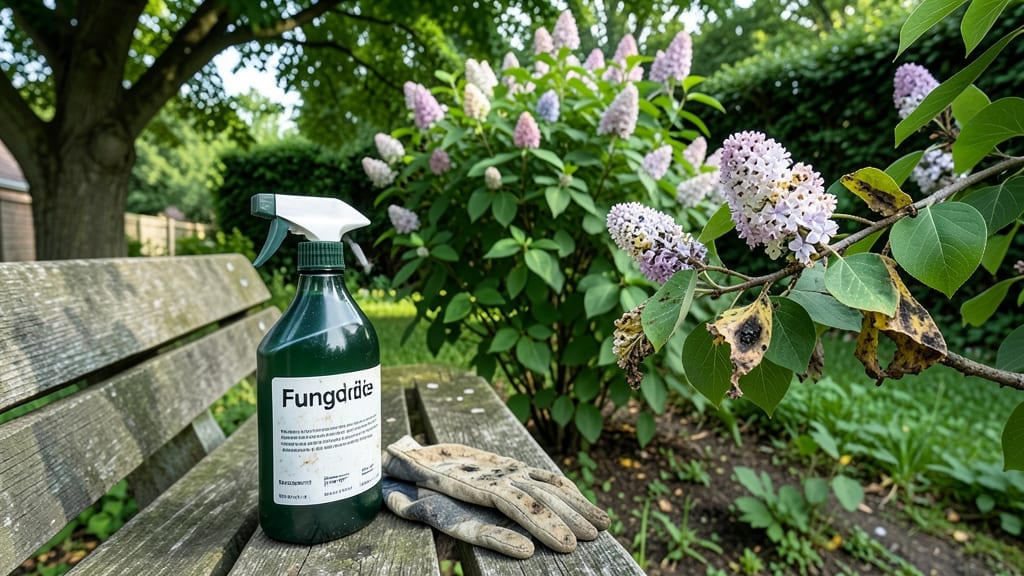
That ugly fungus spreads faster than you think—but a fungicide for lilac bushes can stop it in its tracks before it ruins your blooms. 🌿 I’ve seen entire bushes go from lush purple to skeletal in weeks, and the key to saving them is acting fast with the right treatment.
Most fungicides miss the mark because they treat symptoms, not the root cause. Poor air circulation, wet foliage, and overcrowded branches create the perfect fungal buffet.
My lilacs stayed healthy all season after I thinned them out, raised the center, and started spraying at the first sign of those dark spots.
You’ll see new growth within 2 weeks of consistent spraying—no more blackened leaves, just vibrant foliage ready for next year’s blooms. The secret is combining a neem oil spray with proper pruning to break the fungus’s cycle for good.
Works for powdery mildew and botrytis too—just adjust the timing. Early morning applications in dry weather are non-negotiable. Let’s get those bushes back to their glory days.
Root Causes Of Lilac Fungus
Lilac bushes are beautiful, fragrant, and hardy—but they’re not immune to fungal infections like black spot disease (caused by Diplocarpon mespili) or powdery mildew (Erysiphe alphitoides). Understanding why these issues pop up is the first step to prevention and treatment.
Let’s break down the key culprits behind fungal outbreaks in lilacs, so you can tackle them head-on.
Fungi thrive in damp, humid conditions, and lilacs are particularly susceptible when their leaves stay wet for prolonged periods. Here’s why moisture is a major trigger:
- Overnight Leaf Wetness 🌿 Fungal spores (Diplocarpon and Erysiphe) germinate and infect lilac leaves within 12–24 hours of prolonged moisture. Rain, dew, or overhead watering creates the perfect breeding ground. Black spot thrives in temperatures between 60–80°F (15–27°C) with high humidity—ideal for fungal spread.
- Poor Soil Drainage 💦 Waterlogged soil doesn’t just drown roots—it also keeps the base of the bush soggy, trapping fungal spores near the plant. Lilacs prefer well-draining soil (pH 6.0–7.5); compacted or clay-heavy soil slows evaporation, keeping moisture trapped.
- Overhead Irrigation 💦🚫 Watering from above (instead of drip irrigation or soaker hoses) splashes spores onto leaves, accelerating infection. Pro tip: Water at the base in the early morning so leaves dry quickly.
Fungal diseases spread faster in dense, poorly ventilated foliage. Here’s how lilac growth habits contribute:
- Thick Canopy = Stagnant Air 🌬️❌ Lilacs with tightly packed branches trap moisture and limit airflow. Fungal spores hitchhike on wind or splashing water, landing on leaves that stay damp. Black spot spreads 10x faster in shaded, humid conditions compared to open, airy bushes.
- Old, Infected Leaves 🍂🔄 Lilacs naturally drop leaves, but if you don’t clean up fallen foliage, spores overwinter in the debris and reinfect the plant next season. Action step: Rake and compost or discard old leaves in fall and spring.
- Pruning Mistakes ✂️🚨 Pruning too late in the season (after June) encourages new growth that’s vulnerable to fungal attacks. Additionally, over-pruning weakens the bush, making it more susceptible to stress-related diseases.
Lilacs under stress are like open invitations to fungi. Common stressors include:
- Nutrient Deficiencies 🌱⚠️ Lack of phosphorus or potassium weakens the plant’s cell walls, making it easier for fungi to penetrate. A soil test can reveal deficiencies—amend with balanced fertilizer (10-10-10) in early spring.
- Extreme Temperature Swings ❄️☀️ Sudden shifts (e.g., cold nights followed by warm days) shock lilacs, reducing their resistance. Fungi like powdery mildew exploit this weakness, thriving in 50–80°F (10–27°C) ranges.
- Pests Creating Entry Points 🐜🍃 Sap-sucking insects (like aphids or spider mites) damage leaves, creating wounds where fungal spores can take hold. A neem oil spray can help manage pests before they invite fungi.
Where you plant your lilac matters—some locations are fungal hotspots:
- Shady Or Low-Light Areas 🌳🌑 Lilacs need full sun (6+ hours/day). Shade slows drying, keeping leaves damp longer. If shading is unavoidable, choose disease-resistant cultivars like ‘Dwarf Korean’ or ‘Miss Kim.’
- Urban Pollution & Dust 🏙️💨 City air and dust can clog leaf pores, reducing transpiration (the plant’s natural moisture regulation). This makes leaves more susceptible to fungal infections. Solution: Rinse leaves with water monthly during dry spells.
- Near Water Features Or Wetlands 💧🚫 Planting lilacs too close to ponds, fountains, or poorly drained areas increases humidity around the bush. Maintain a 3-foot buffer from water sources.
Key takeaway: Most fungal issues in lilacs stem from moisture, stress, or poor airflow. By addressing these root causes—through smarter watering, pruning, and site selection—you’ll drastically reduce the need for fungicides. Next, we’ll cover preventive strategies to keep your lilacs healthy naturally!
Quick Fixes for Fungus on Lilacs
Revitalizing your lilac bushes starts with identifying the right treatment for their specific fungal woes. Below, we’ve mapped out practical, step-by-step solutions—from organic remedies to copper-free sprays—along with prevention tips to keep your bushes thriving. No guesswork, just actionable care!
Cause: Dark, circular spots with yellow halos (often Alternaria or Septoria). Fix:
- 🔥 Prune Infected Branches
- Use sterilized pruners (wipe with rubbing alcohol) to cut off all spotted leaves and stems at least ½ inch below the damage. Dispose of clippings in a sealed bag—do not compost them!
- Pro Tip: Prune on a dry, sunny day to help wounds dry faster and reduce spore spread. 🌞
- 🍳 Apply a Copper-Free Fungicide Spray - Mix 1 tbsp baking soda + 1 tsp dish soap + 1 gallon water in a spray bottle.
Shake well and apply evenly to both sides of leaves (early morning or evening to avoid leaf burn). - Alternative: Use a pre-mixed organic fungicide like neem oil (2 tsp per gallon of water) or potassium bicarbonate spray (follow label rates).
Reapply every 7–10 days until new growth appears. - ⚠️ Warning: Avoid spraying when flowers are open to protect pollinators.
- 🌡️ Boost Airflow & Light
- Thin out dense branches to improve circulation—fungi thrive in humidity.
- Move bushes 2–3 feet apart if overcrowded. If space is limited, prune to open the center.
Prevent Relapse:
- Water at the base (avoid overhead sprinkling).
- Mulch with 2–3 inches of organic mulch (straw or shredded bark) to deter soil-borne spores. 🌱
Cause: White, powdery coating on leaves (often Erysiphe or Sphaerotheca). Fix:
- 👨🍳 Wipe Leaves with a Soapy Solution
- Mix 1 tsp mild liquid soap + 1 quart water in a spray bottle. Gently scrub affected areas with a soft cloth or sponge. Rinse with clean water.
- For heavy infestations: Repeat 2–3 times weekly until mildew disappears.
- 🥘 Spray with a Horticultural Oil
- Use refined horticultural oil (like JMS Stylet Oil) at 1% concentration (check label). Apply evenly to all leaf surfaces, including undersides. Reapply every 7 days for 3 weeks.
- Bonus: Oil suffocates spores and prevents future outbreaks.
- 🔪 Adjust Growing Conditions
- Powdery mildew loves shade and humidity. If your lilacs are in a low-light spot, consider partial sun exposure (4–6 hours daily).
- Avoid nitrogen-heavy fertilizers—they encourage lush, mildew-prone growth. Switch to a balanced 10-10-10 or low-nitrogen organic fertilizer.
Prevent Return:
- Space bushes properly (3–4 feet apart for mature lilacs).
- Water deeply but infrequently (1–1.5 inches per week) to discourage dampness. 💦
Cause: Soft, mushy stems or sunken, discolored bark (often Phytophthora or Botryosphaeria). Fix:
- ⏰ Emergency Pruning for Canker
- Cut out all infected wood (blackened, oozing, or sunken areas) using sterilized tools. Make cuts 6 inches below the damage into healthy tissue.
- Seal pruning wounds with pruning sealant (like Tanglefoot Tree Wound Pruning Seal) to prevent further infection.
- 💧 Drainage & Soil Fixes
- Test soil moisture—lilacs hate "wet feet." If soil stays soggy for >24 hours after watering, amend with compost or perlite to improve drainage.
- Raise the base by adding a 1–2 inch layer of gravel under the mulch to lift roots slightly.
- 🌿 Apply a Fungicide for Soilborne Pathogens
- Use a systemic fungicide like Mycorrhizal fungi inoculant or Trichoderma harzianum (a beneficial soil fungus). Follow package instructions for soil drench application.
- Alternative: Copper fungicide (like Copper Sulfate) can help, but rotate with organic options to avoid resistance.
Prevent Future Rot:
- Plant lilacs in well-draining soil (avoid clay-heavy areas).
- Avoid overwatering—stick to 1 inch of water per week (including rain). 🌧️
No matter the fungus, these habits keep lilacs healthy long-term:
- 💡 Early Detection: Inspect bushes weekly during growing season (spring–fall).
- ✨ Sterilize Tools: Clean pruners with rubbing alcohol between cuts.
- 🎯 Mulch Right: Use 2–3 inches of organic mulch (keep it 6 inches away from the trunk).
- 🌱 Feed Smart: Use low-nitrogen fertilizer (like 5-10-10) in early spring to avoid weak, fungus-prone growth.
Remember: Consistency is key! Fungal diseases often return if you stop treatments too soon. Monitor, spray, and prune until you see 2–3 weeks of new, healthy growth—then taper off preventively. Your lilacs will thank you with vibrant blooms for years! 🌸
Frequently asked questions
Can I use the same fungicide spray for both black spot and powdery mildew on lilacs?
Most copper-free fungicides work for both diseases, but timing matters. For black spot, spray when you see dark spots with yellow halos (use baking soda mix or neem oil). For powdery mildew, horticultural oil works best—apply when you notice white powdery patches. Always rotate treatments to prevent resistance.
How often should I spray fungicide on my lilac bushes?
Start with weekly applications during active fungal outbreaks (spring to fall). Once you see new healthy growth for 2-3 weeks, reduce to every 2 weeks as prevention. Always spray in the early morning so leaves dry quickly—this prevents fungal spores from settling.
Will pruning my lilac help prevent fungus, or just treat it?
Pruning does both! First, it removes infected leaves where spores live. Second, thinning branches improves airflow—fungi can't survive in dry, circulating air. Aim to prune in late winter or early spring (before buds swell) and again after blooming to maintain an open shape.
Are there any fungicides I should avoid for lilacs?
Skip copper-based sprays if your lilacs are in alkaline soil (pH 7.5+)—copper becomes toxic. Also avoid chlorine bleach (burns leaves) and over-the-counter garden fungicides with synthetic chemicals like propiconazole, which can harm beneficial insects. Stick to organic options like neem oil or potassium bicarbonate.
How do I know if my lilac fungus is spreading to other plants?
Watch for dark spots on nearby roses, hydrangeas, or fruit trees—these plants share similar fungal pathogens. Remove fallen leaves from under bushes (they harbor spores) and avoid composting infected plant debris. If other plants show symptoms, treat them with the same fungicide spray you used on lilacs.