
Shrubs
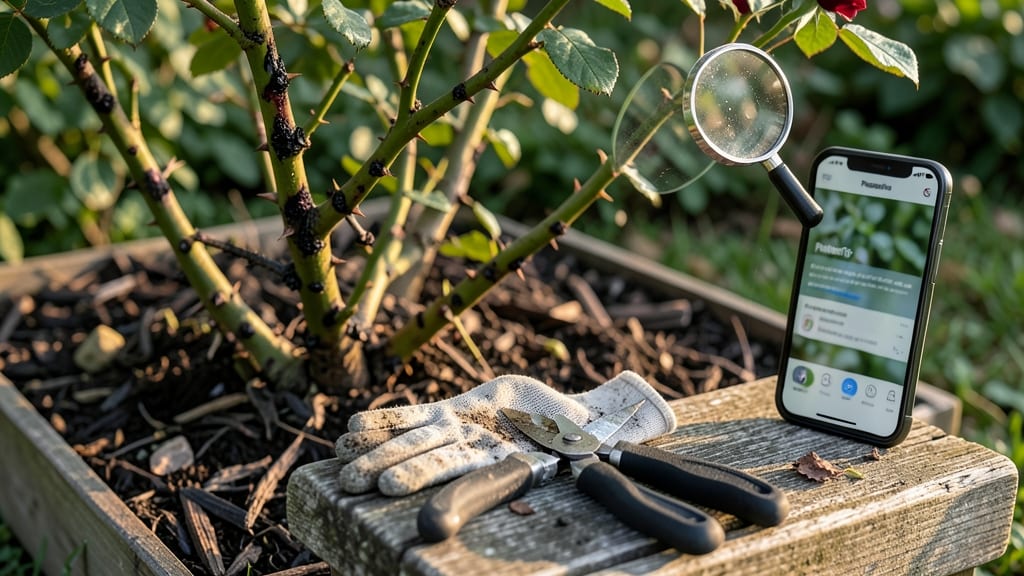
Black stems on your rose bush aren’t just ugly—they’re a silent warning that something’s wrong. 🌿 I’ve seen this issue cripple gardens before, but the good news is you can turn it around fast with the right approach.
What starts as a few dark spots can spread to kill branches if ignored, but we’ll stop it in its tracks.
The culprits are usually fungal infections like black spot or canker disease, though overwatering or poor airflow can make stems vulnerable too. You’ll spot the difference: blackened cankers (raised, sunken patches) signal disease, while sooty mold (black film) means sap-sucking pests are the problem.
The key is acting fast—sterilizing tools and pruning infected stems before they spread.
Within 48 hours of treatment, you’ll see the spread slow down. My go-to spray mixes baking soda, neem oil, and a drop of dish soap to kill fungi without copper.
Combine that with better spacing between plants and you’ll restore your rose’s health. The goal? Lush, disease-free stems by summer’s end.
This works for all rose types—hybrids, climbers, even heirlooms—and prevents future outbreaks. Let’s get your bushes back to their best before the next rain makes things worse.
Root Causes Of Stem Discoloration
When your rose bush develops blackened stems, it’s often a distress signal from the plant—one that can’t be ignored. Understanding the why behind this issue is the first step toward saving your shrub.
Below, we break down the most common culprits, backed by science, so you can diagnose and act fast.
Fungal pathogens like Diplodia or Botryosphaeria thrive in damp, warm conditions, attacking weakened rose stems. These fungi produce toxins that block water and nutrient flow, causing stems to darken, wilt, and die back.
- How it starts: Spores land on stems through rain, overhead watering, or contaminated tools. Once inside, they spread rapidly, especially in humid climates or crowded gardens.
- Visual clues: Look for blackened, sunken lesions or cankers (raised, cracked areas) on stems. In advanced cases, the entire stem may turn black and brittle.
- Why it’s dangerous: Fungal infections don’t just kill stems—they can spread to roots and leaves, stunting growth or even killing the plant if untreated.
💡 Pro Tip: Prune infected stems below the blackened area (at least 6 inches down) and sterilize pruners with rubbing alcohol to prevent spread.
While black spot (caused by Diplocarpon rosae) is famous for leaf damage, it can also creep onto stems, especially in late summer or fall. The fungus creates dark, velvety spots that merge into larger black patches, disrupting the stem’s vascular system.
- How it starts: Spores splash from infected leaves onto stems during rain or watering. Poor air circulation (e.g., dense foliage or overcrowded plants) accelerates the problem.
- Visual clues: Small black spots with yellow halos on stems, often paired with defoliation. Infected stems may ooze sap or crack.
- Why it’s sneaky: Many gardeners focus on leaves, missing early stem infections until it’s too late. By then, the plant is stressed and vulnerable to secondary pests.
🔥 Warning: If left unchecked, black spot can girdle stems (wrap around them), cutting off water flow and killing branches.
Extreme heat, cold snaps, or sudden drought can shock rose bushes, causing stems to darken as a survival response. While not always fatal, chronic stress weakens defenses, making plants susceptible to fungal attacks.
- Heat Stress: Prolonged temperatures above 90°F (32°C) can scorch stems, turning them black or brown. Roses wilt, leaves curl, and stems become brittle.
- Cold Damage: Freezing temperatures (below 20°F/-7°C) rupture stem cells, leading to blackened, mushy tissue. Evergreen roses are especially vulnerable.
- Drought or Overwatering: Both extremes disrupt nutrient uptake. Overwatering leads to root rot, which starves stems of oxygen, while drought causes wilting and blackened tips.
🌡️ Key Sign: Check for uniform blackening (environmental) vs. irregular spots (fungal). Environmental stress often affects younger stems first.
Insects like rose slugs (sawfly larvae), Japanese beetles, or scale insects feed on stems, leaving behind blackened, sticky residue (honeydew) that fosters sooty mold—a secondary fungus.
- How it starts: Larvae burrow into stems, creating entry points for bacteria or fungi. Adult beetles skeletonize leaves, reducing the plant’s ability to photosynthesize and support stem health.
- Visual clues: Blackened, chewed stems; sawdust-like frass (insect droppings); or a shiny black mold coating leaves/stems.
- Why it’s a domino effect: Pest damage weakens stems, making them prime targets for fungal infections. Break the cycle by addressing pests first.
✨ Quick Fix: Blast off beetles with a strong stream of water or apply neem oil to disrupt their life cycle.
Overuse of herbicides, copper-based fungicides, or even harsh fertilizers can cause chemical phytotoxicity, turning stems black or brown. Copper, while effective against fungi, can accumulate in soil and damage roots over time.
- How it happens: Spray drift, incorrect dilution, or frequent applications create toxic buildup. Stems may develop blackened, blistered patches or die back.
- Visual clues: Uniform blackening along the stem’s surface, often paired with yellowing leaves or stunted growth.
- Why it’s preventable: Always follow label instructions and avoid spraying when rain is forecasted. Test soil pH before applying copper—acidic soils (pH <6.0) increase risk.
🎯 Solution: Flush soil with water to dilute chemicals and amend with compost to improve stem resilience.
Fixing Blackened Rose Stems Fast
Black stems on your rose bush don’t have to mean the end of your blooms—with the right approach, you can revive your plant and prevent further damage. Below are targeted solutions for the most common causes, each with step-by-step fixes and long-term prevention tips to keep your roses thriving.
If blackened stems are soft, mushy, or oozing, fungal diseases like black spot, botrytis blight, or canker are likely the culprits. Act fast to prevent the infection from spreading to leaves and canes.
🍳 Step 1: Prune Infected Areas Immediately
- 🔪 Cut away any blackened, discolored, or dying stems at least 6 inches below the affected area using sterilized pruners (wipe with rubbing alcohol between cuts).
- 🗑️ Dispose of infected stems in the trash (not compost)—fungal spores can survive in soil.
👨🍳 Step 2: Apply a Copper-Free Fungicide
Since traditional copper sprays can harm beneficial insects, opt for organic or synthetic fungicides that target fungal pathogens:
- Neem oil spray (1 tbsp neem oil + 1 tsp mild soap + 1 quart water) – spray thoroughly on stems, leaves, and soil around the base.
- Baking soda solution (1 tbsp baking soda + 1 quart water + a few drops of dish soap) – reapply every 7–10 days for prevention.
- Systemic fungicide (like myclobutanil or propiconazole) – Follow label instructions for fast-acting control (results in 48 hours).
🌡️ Step 3: Improve Air Circulation & Reduce Moisture
Fungi thrive in humid, stagnant conditions.
Help your roses recover by: - 🌬️ Spacing plants at least 3–4 feet apart to allow airflow. - 💦 Watering at the base (avoid overhead sprinkling) and early in the day so foliage dries quickly. - 🌿 Mulching with straw or pine needles (not wood chips) to keep soil dry while retaining moisture.
If stems turn black but feel firm (not mushy), root rot from overwatering or compacted soil may be the issue.
🔥 Step 1: Check Soil Moisture
- 💧 Stick your finger 2 inches into the soil—if it’s soggy, hold off on watering for a few days.
- ⏰ Water deeply but infrequently (1–2 times per week, depending on climate) and only when the top inch of soil is dry.
🍳 Step 2: Loosen Compacted Soil
- 🪴 Gently fork the soil around the base of the rose bush to break up compaction and improve drainage.
- 🌱 Mix in perlite or coarse sand (1 part to 3 parts soil) to help excess water drain away.
🌡️ Step 3: Adjust Watering Habits
- 💦 Use drip irrigation instead of sprinklers to keep stems dry.
- 🌿 Add a 2–3 inch layer of gravel around the base (but not touching the stem) to prevent moisture buildup.
If blackened stems have holes, sawdust-like frass, or webbing, pests like Japanese beetles, rose slugs (sawfly larvae), or borers may be feeding on your plant.
🔪 Step 1: Handpick or Trap Pests
- 🕷️ Japanese beetles: Drop them in soapy water after handpicking (or use milky spore for long-term control).
- 🐛 Sawfly larvae (rose slugs): Squish them by hand or spray with neem oil at night when they’re most active.
- 🪰 Borers: Drill out larvae with a screwdriver if you see exit holes, then fill with diatomaceous earth.
🍳 Step 2: Seal Damaged Stems
- 🔧 Prune back any heavily damaged stems just above a healthy bud.
- 🧴 Apply horticultural sealant (like Tanglefoot Tree & Shrub Sealant) to prevent further pest entry.
🌿 Step 3: Encourage Natural Predators
- 🐝 Plant companion flowers (like marigolds or alyssum) to attract ladybugs and parasitic wasps, which eat rose pests.
- 🌱 Avoid broad-spectrum pesticides—they kill beneficial insects too!
If blackened stems appear dry, brittle, or cracked (common in winter or early spring), frost damage may be the issue.
🔥 Step 1: Prune Dead Tissue
- ✂️ Cut back any black, shriveled stems to green wood (healthy tissue).
- 🌱 Wait until spring to prune heavily—some stems may recover as temperatures rise.
🍳 Step 2: Protect from Future Freezes
- 🌡️ Cover roses with frost cloth on cold nights (especially for tender varieties).
- 🌿 Mulch heavily (4–6 inches of straw or leaves) to insulate roots from temperature swings.
💧 Step 3: Hydrate & Fertilize for Recovery
- 💦 Water deeply after frost to help stems recover.
- 🌱 Apply a balanced fertilizer (10-10-10) in early spring to encourage new growth.
✅ 🌡️ Monitor soil pH (roses prefer 6.0–6.5)—test with a kit and amend with lime (to raise pH) or sulfur (to lower it) if needed. ✅ 🍃 Rotate fungicides every few weeks to prevent resistance in fungal pathogens. ✅ 🌿 Plant disease-resistant varieties (like ‘Knock Out’ roses or ‘Dr. Huey’) for fewer issues. ✅ 🔄 Prune in late winter/early spring to remove weak, crossing, or diseased stems before new growth starts.
By tackling the root cause (literally!) and following these steps, your rose bush should bounce back in weeks—with fewer black stems and more vibrant blooms. Happy gardening! 🌹✨
Frequently asked questions
Why do some rose stems turn black while others stay healthy?
Blackened stems often appear first on weaker branches due to fungal infections like canker disease or black spot. These pathogens target stressed areas where airflow is poor or moisture lingers. Healthy stems resist infection longer because their natural defenses are stronger. Check for raised cankers or sooty mold to confirm—these are classic signs of disease spread.
Can I save a rose bush if most of its stems are black?
It depends on how deep the damage goes. If over 50% of stems are affected, the plant may struggle to recover. Start by pruning back to green wood (healthy tissue) and applying a fungicide. For severe cases, consider replacing the bush—some fungal infections can persist in the soil and reinfect new growth. Always sterilize tools between cuts to prevent spreading spores.
Is black stem disease contagious to other plants?
Yes, fungal pathogens like Botryosphaeria or Diplocarpon rosae can spread to nearby plants through contaminated tools, windborne spores, or even splashing water. Keep infected roses 3 feet away from healthy plants and avoid overhead watering. Disinfect pruners with 70% rubbing alcohol between cuts to prevent cross-contamination.
How often should I spray fungicide to prevent black stems?
For prevention, apply fungicide every 7–14 days during peak growing season (spring to early fall). Use a copper-free option like neem oil or baking soda spray to avoid harming beneficial insects. After rain or overhead watering, reapply immediately—fungal spores thrive in wet conditions. Rotate products to prevent resistance in pathogens.
Will black stems come back after treatment?
With proper care, new growth should emerge green and healthy within 4–6 weeks. The key is addressing the root cause: improve airflow, adjust watering habits, and remove all infected stems. If blackening persists, test soil pH (6.0–6.5 is ideal) or check for hidden pests like borers. Some varieties (like Knock Out roses) are more resilient to recurrence.