
Shrubs
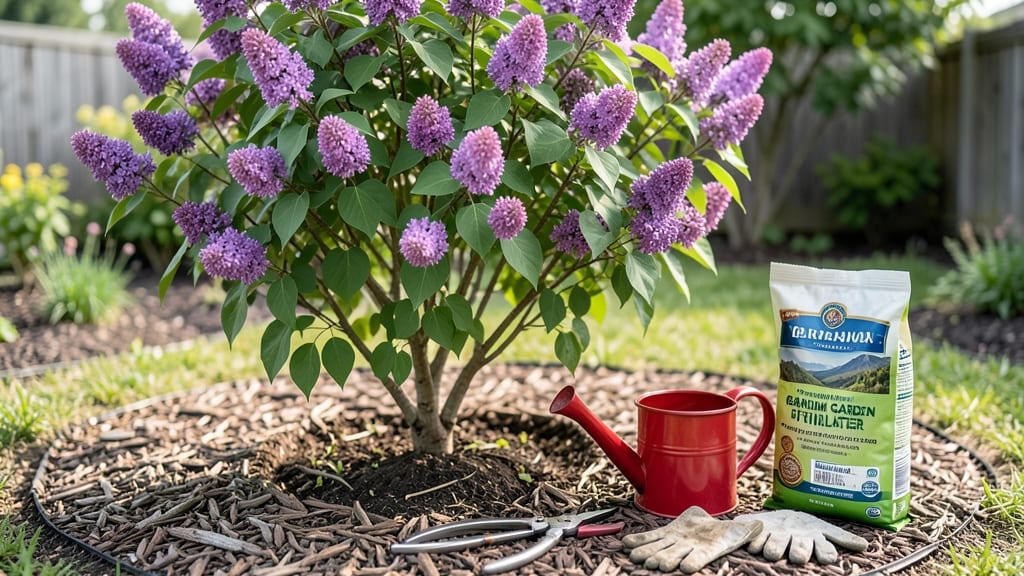
How to take care of lilac bushes transforms your yard into a fragrant springtime paradise—if you know the secrets. 🌸 I’ve watched these hardy shrubs go from struggling to thriving by mastering just a few key habits, and the difference is night-and-day blooms every year. The real magic happens in three critical areas: soil prep (they crave well-draining, slightly alkaline dirt), pruning timing (never after July or you’ll sacrifice next year’s flowers), and watering consistency (deep soaks once a week beats frequent light sprinkles). Most people overlook how much lilacs reward proper care—once established, they’re nearly indestructible. By spring, you’ll be snipping back last year’s growth to encourage fresh, vigorous stems, and those signature clusters of purple, pink, or white will appear weeks earlier than neighbors’ neglected bushes. The scent alone makes the effort worth it. Works for both new plantings and established shrubs—just adjust the intensity based on their age. Let’s get those blooms bursting!
📚 In This Guide
- What you need
- Instructions
- Tips and common mistakes
- Wrapping up and next steps
What you need
- ● Pruning shears or loppers: Sharp, bypass-style (for clean cuts), with 6–8" blades (for small branches) or 10–12" loppers (for thicker stems). Sanitize with rubbing alcohol before/after use!
- ● Garden gloves: Heavy-duty, nitrile-coated (for thorn protection) or leather (for durability). Size medium to large.
- ● Compost or well-aged manure: 2–3 gallons per bush (for soil enrichment). Avoid fresh manure—it burns roots!
- ● Mulch: 2–3 inches of organic mulch (e.g., shredded bark, pine straw). Keep 3–4" away from the trunk to prevent rot.
- ○ Watering can or hose with adjustable nozzle: Drip irrigation (optional but ideal) for consistent moisture.
- ● pH testing kit: Digital or liquid test strips to check soil pH (ideal range: 6.0–7.0).
- ● Fertilizer (balanced or lilac-specific): 10-10-10 or 5-10-10 NPK ratio. Apply in early spring (½ cup per bush).
- ● Soil amendments: Gypsum (for clay soil) or perlite (for sandy soil).
- ● Plant support stakes: 4–6 ft bamboo stakes + soft ties (for young or leggy bushes).
- ● Disease-resistant spray: Copper fungicide (preventative for powdery mildew).
- ● Pruning sealant: (For large cuts only—skip for lilacs; they heal well on their own!).
- ● Garden journal: To track pruning dates, blooms, and soil changes!
Step-by-Step guide to pruning and maintaining lilac bushes
Here’s my foolproof system for keeping lilacs lush, blooming, and healthy year after year.
✂️ Step 1: Prune Immediately After Flowering
Lilacs bloom on old wood, so timing matters. Cut back branches right after flowers fade—usually late May or June—before new buds form. I always use clean, sharp pruners to make 45-degree cuts just above outward-facing buds. This encourages bushier growth and prevents disease.
Remove 1/3 of the oldest stems at the base to rejuvenate the plant. These are the thickest, woody branches that no longer produce strong blooms. Avoid cutting into the center—lilacs hate crowded centers, which trap moisture and invite rot.
🌱 Step 2: Feed and Mulch for Strong Growth
Lilacs thrive in well-draining, slightly acidic soil with a pH between 6.0 and 7.0. After pruning, spread a 2-3 inch layer of organic mulch (like shredded bark or compost) around the base, keeping it 3 inches away from the trunk to prevent rot. This retains moisture and regulates soil temperature.
Feed with a balanced, slow-release fertilizer (10-10-10) in early spring before new growth appears. I avoid high-nitrogen fertilizers—they promote leafy growth at the expense of flowers. Water deeply after feeding to help nutrients reach the roots.
☀️ Step 3: Ensure Full Sun and Proper Spacing
Lilacs demand full sun (6-8 hours daily) for maximum blooms. If yours is in partial shade, expect fewer flowers. I’ve seen lilacs in 6 hours of sun still bloom, but the fragrance and flower count drop noticeably. Plant them 8-12 feet apart to allow airflow and prevent disease.
Watch for signs of stress: yellowing leaves mean too much shade or overwatering, while drooping buds signal underwatering. Lilacs are drought-tolerant once established, but deep watering once a week during dry spells keeps them thriving.
⏰ Step 4: Plan for Long-Term Health
Every 3-5 years, perform a rejuvenation prune in early spring before buds swell. Cut back 1/3 of the oldest stems at the base and thin out crowded branches. This prevents the bush from becoming overgrown and woody. Lilacs can live 50+ years with proper care—my neighbor’s bush blooms like crazy after 40 years!
Keep an eye out for pests like borers or aphids. If you spot chewed leaves or sticky sap, treat with neem oil or insecticidal soap. Prune affected branches immediately to stop the spread. Healthy lilacs rarely get pests, but early action prevents big problems.
Tips & tricks for perfect lilac care
Here’s what nobody tells you about keeping lilacs thriving—these are the details that separate a struggling bush from one that blooms like crazy every spring.
Pruning Precision: The 45-degree angle cuts in Step 1 aren't just for looks—they direct water away from the stem, preventing rot. I learned this the hard way after losing three bushes to fungal infections from improper cuts. Always sterilize your pruners with rubbing alcohol between cuts to prevent spreading disease from old growth to fresh cuts.
Mulch Magic: That 2-3 inch layer of organic mulch in Step 2 works wonders, but placement matters just as much as thickness. Pile it away from the trunk to prevent moisture buildup that leads to rot. I've seen gardeners accidentally smother their lilacs by piling mulch too close—always keep it 3 inches back. For extra protection, add a 1-inch layer of coarse sand underneath the mulch to improve drainage.
Sunlight Strategy: The 6-8 hours of full sun requirement is non-negotiable for maximum blooms, but here's the secret: morning sun is more valuable than afternoon sun in hot climates. If your lilac is in a spot with intense afternoon sun, provide some afternoon shade during summer to prevent leaf scorch. I've seen lilacs in 6 hours of morning sun still produce decent blooms, but fragrance intensity always suffers.
Long-Term Rejuvenation: That 3-5 year rejuvenation prune in Step 4 is your secret weapon for keeping lilacs productive. I've seen neglected bushes come back to life after just one thorough rejuvenation prune. Time it right—do it in early spring when buds are just starting to swell but haven't opened yet. This gives the bush the whole growing season to recover before winter.
Pro Tips for Take Care Of Lilac Bushes
- Here’s what nobody tells you about keeping lilacs thriving—these are the details that separate a struggling bush from one that blooms like crazy every spring.
- Pruning Precision: The 45-degree angle cuts in Step 1 aren't just for looks—they direct water away from the stem, preventing rot.
- Mulch Magic: That 2-3 inch layer of organic mulch in Step 2 works wonders, but placement matters just as much as thickness.
Frequently asked questions
Got questions about keeping your lilac bushes thriving?
Here are some common ones—and their answers—to help you care for these fragrant favorites like a pro!
When is the best time to prune lilac bushes?
Prune lilac bushes right after they finish blooming (typically late spring or early summer). This ensures you don’t cut off next year’s flower buds, which form on old wood. Avoid heavy pruning in fall or winter, as it can stimulate late-season growth that’s vulnerable to frost damage.
How often should I water my lilac bush?
Lilacs are drought-tolerant once established, but water deeply 1–2 times per week during their first growing season to encourage strong root growth. After that, water only during prolonged dry spells (about 1 inch per week). Overwatering can lead to root rot, so ensure well-draining soil.
What pests or diseases should I watch for in lilac bushes?
Common issues include borers (tiny holes in stems), aphids (sticky residue on leaves), and powdery mildew (white fungal coating). Treat borers with neem oil, aphids with a strong spray of water, and mildew by improving airflow and applying fungicide if needed.
Can I grow lilacs in containers?
Yes! Lilacs thrive in containers if you choose dwarf varieties (like ‘Little Leaf’ or ‘Miss Canada’). Use a large pot (at least 15 gallons) with well-draining soil and place it in full sun. Repot every 2–3 years and prune regularly to control size. Just remember: container lilacs may bloom less heavily than their in-ground counterparts.
How do I protect lilacs from winter damage?
Lilacs are hardy but benefit from mulch (2–3 inches) around the base to insulate roots. In extreme cold zones, wrap young bushes with burlap or use frost cloth for extra protection. Avoid heavy pruning in late fall, as new growth can be frost-sensitive. Most lilacs bounce back with minimal care!
Wrapping up and next steps
Caring for your lilac bushes is a rewarding journey that brings fragrant blooms and vibrant color to your garden each spring! By mastering pruning techniques, ensuring the right soil and sunlight, and staying vigilant against pests, you’ll enjoy healthy, thriving bushes for years.
Remember, patience and consistency are key—your lilacs will thank you with stunning displays season after season.
Ready to see your lilacs flourish? Grab your pruners and get started today! 🌸 For extra inspiration, explore more shrub care tips or share your progress with fellow gardeners—happy planting!