
Pruning
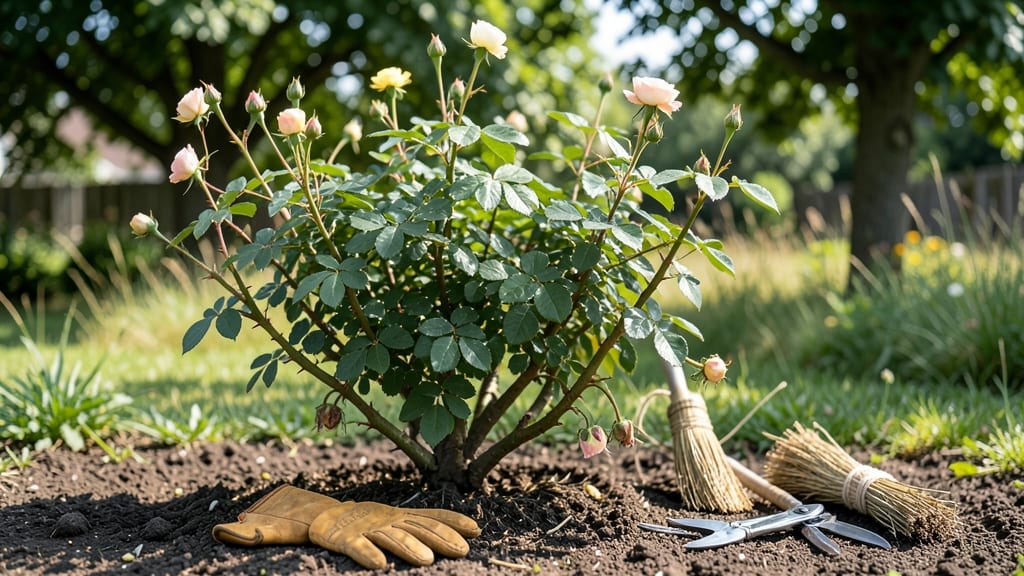
Pruning your rose bushes at the right time of year ensures healthier growth and more vibrant blooms, but timing is everything for your 🌹 garden’s success.
If you’ve ever watched your roses struggle after a late prune—or worse, see them fail to bloom—you know how critical the season matters. A single misstep can leave your bushes vulnerable to frost damage or disease, cutting short their potential.
Most gardeners in USDA Zone 6a should prune in late winter or early spring, but climates and rose types change the rules. Climbing roses, hybrid teas, and shrub varieties each have their own ideal windows, and skipping the details means missing out on maximum blooms.
This guide breaks down the best months for your region, step-by-step pruning tips, and how to avoid common mistakes—so you can transform your garden into a lush, fragrant paradise.
Best seasons to prune rose bushes by type and climate
Timing your rose pruning is the secret to vibrant blooms and healthy growth. Different rose varieties thrive with season-specific pruning, while your USDA hardiness zone shifts the ideal window. Get it wrong, and you risk stunted growth, disease, or even losing your prized bushes.
Let’s break down the best times to prune by rose type and climate zone—so you can enjoy a garden bursting with color year after year.
Late winter and early spring are the golden windows for most roses, but climbing roses and shrub roses have unique needs. In mild climates, you might prune as early as February, while cold regions wait until after the last frost.
Summer pruning is all about deadheading, and fall cleanup keeps your roses disease-free over winter. Let’s dive into the specifics so you can prune with confidence.
⚠️ NON-NEGOTIABLE: Always prune when your roses are dormant (no leaves or blooms) unless deadheading in summer. This minimizes stress and maximizes regrowth.
| 🌹 ROSE PRUNING BY TYPE & SEASON 🌹 | ||||
|---|---|---|---|---|
| Rose Type | Late Winter (Jan–Feb) | Early Spring (Mar–Apr) | Summer (May–Aug) | Fall (Sep–Nov) |
| Climbing Roses | ✅ (Best for dormant pruning) | ✅ (If buds are visible) | ❌ (Avoid unless deadheading) | ❌ (Only light cleanup) |
| Hybrid Teas & Floribundas | ✅ (Primary pruning) | ✅ (If needed for shape) | ✅ (Deadheading only) | ❌ (Minimal pruning) |
| Shrub Roses | ✅ (Heavy pruning) | ✅ (Light shaping) | ✅ (Deadheading) | ✅ (Light cleanup) |
| 🌡️ CLIMATE ZONE ADJUSTMENTS 🌡️ | ||
|---|---|---|
| USDA Zone | Ideal Pruning Time | Critical Warning |
| Zones 3–6 (Cold Climates) | Late March–April (after last frost) | Never prune before winter dieback is visible |
| Zones 7–9 (Mild Climates) | February–March (dormant season) | Avoid pruning during heatwaves |
| Zones 10+ (Tropical) | January–February (dry season) | Prune after flowering season ends |
If you’re in Zone 5 or colder, wait until mid-April to prune—even if buds are swelling. Cold snaps can damage fresh cuts.
In Zone 8+, prune in January or February to give your roses time to recover before summer heat arrives. Tropical zones (10+) often prune in late winter to align with their dry season, reducing disease risk.
For climbing roses, late winter is critical. These varieties need structured pruning to maintain their vertical growth habit.
Cut back one-third of last year’s growth to encourage new canes and blooms. Hybrid teas and floribundas also thrive with late winter pruning, but avoid heavy cuts in early spring—this can delay blooming.
Shrub roses are the most flexible. They handle heavy pruning in late winter, light shaping in spring, and deadheading in summer. In fall, give them a light cleanup to remove dead wood and prevent pests from overwintering. This three-season approach keeps shrub roses compact and prolific.
Pro tip: Mark your calendar based on your last frost date. Most roses need 4–6 weeks of warm weather after pruning to recover. Use a planting calendar for your zone to stay on track.
For example, if your last frost is April 15, aim to finish pruning by mid-March.
One common mistake is pruning too early in Zone 3–6. If you cut back in February and a late frost hits, your new growth will die. Always wait until you’ve seen consistent daytime temps above 50°F for at least a week.
In mild climates, the risk is over-pruning in summer, which stresses the plant during peak heat.
Remember, sharp, clean tools are non-negotiable. Sterilize your pruners with rubbing alcohol between cuts to prevent bacterial infections. And always cut at a 45° angle just above an
Step-by-step late winter pruning guide for maximum blooms
Late winter is the perfect time to prune rose bushes because they're dormant, making it easier to see problem areas and shape your plants for spring blooms. This is when you'll get the most new growth and healthier stems for the upcoming season.
The key is to prune after the last frost but before buds start swelling—typically February to early March in most regions.
If you live in warmer climates (Zones 7-10), aim for January to February when roses are still dormant. In colder zones (3-6), wait until late March or early April when the ground thaws and new growth is visible.
Timing matters because pruning too early can expose tender canes to frost damage, while waiting too long risks stunting spring blooms.
Gather Tools
Sterilized pruners, loppers, sharp saw (for thick canes), rubbing alcohol (to sterilize tools), and gardening gloves.
Remove Dead/Diseased Wood
Cut back to healthy green wood or outward-facing buds at a 45° angle (1/4" above bud). Look for blackened or mushy canes—these need removal.
Shape the Bush
Open the center for airflow; aim for 3–5 main stems with outward-facing branches. Remove crossing stems first to prevent rubbing.
Fertilize and Mulch
Apply balanced fertilizer (10-10-10) and mulch with 2–3" of organic matter (like shredded bark) to retain moisture and warmth.
⚠️ Avoid These Mistakes:
- Pruning too early (before buds swell)
- Leaving stubs (always cut above a bud)
- Over-pruning (never remove more than 1/3 of the plant)
After pruning, give your roses a deep watering to help them recover. This is also the perfect time to inspect for pests like aphids or scale, which often hide in dense foliage. If you spot any, treat with neem oil or insecticidal soap before new growth emerges.
For climbing roses, focus on removing old, woody canes that no longer produce blooms, while shrub roses benefit from a more open-center shape. Hybrid teas should be pruned to 5–7 buds per stem to encourage strong flowering stems.
Always step back and admire your work—you’ll see the skeleton of next season’s blooms taking shape!
With proper late winter pruning, your roses will reward you with vibrant blooms and lush foliage all season long. Just remember: patience and precision pay off in a garden full of healthy, thriving roses! 🌹