
Planting
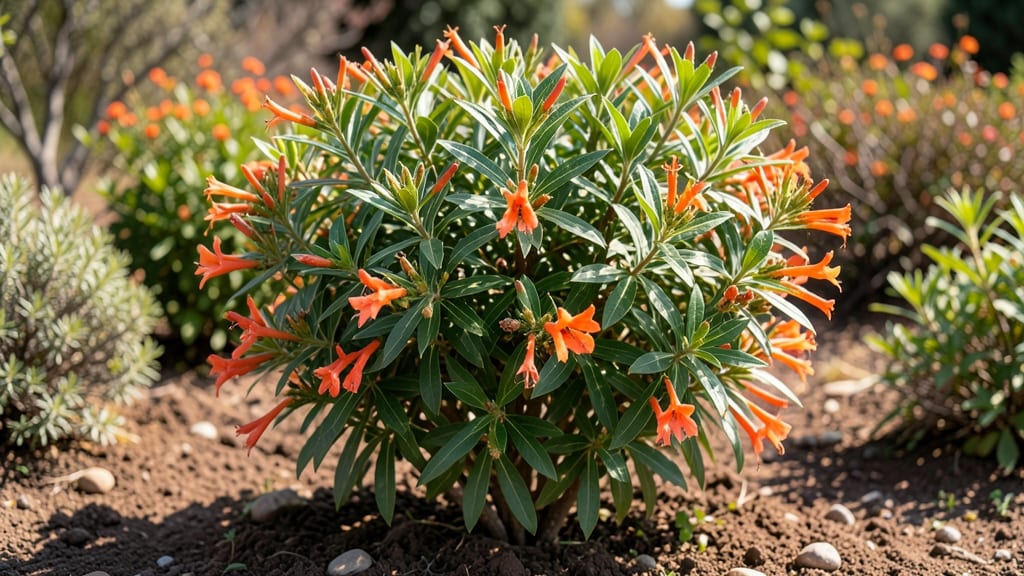
Crimson blooms that last from summer through fall—firebush plant care is simpler than you think, and I’ve got the exact routine that keeps mine bursting with color every year. 🌟 The key?
Matching its natural toughness with just a few intentional habits, like watering only when the soil is bone-dry and pruning at the right time to encourage dense growth.
Firebush thrives in full sun and drought-tolerant soil, making it a standout for low-maintenance gardens. Most people overwater or prune too aggressively, but this plant actually rewards neglect—just give it space to spread and avoid heavy, wet soil.
My bushes now attract hummingbirds year-round, and the foliage stays lush even in heatwaves.
With the right care, you’ll see bold red flowers from late spring until frost, plus glossy green leaves that stay vibrant through winter. The secret’s in the timing: prune after blooming to shape the plant, and fertilize lightly in early spring.
It’s the kind of plant that makes gardening feel effortless.
Whether you’re in a hot, dry climate or just want a hardy shrub for your landscape, firebush delivers stunning color with minimal fuss. Let’s dive into the exact steps that keep mine thriving—and how to avoid the mistakes that kill these resilient plants.
📚 In This Guide
- What you need
- Instructions
- Tips and common mistakes
- Wrapping up and next steps
What you need
- ● Firebush plant: 1 nursery-grown seedling (3–6 inches tall) or a mature cutting from a healthy plant.
- ● Well-draining potting mix: 1 bag (5–10 gallons) of cactus/succulent blend or a mix of 60% potting soil + 40% perlite/sand.
- ● Container or garden bed: For pots: 1–2 containers (5+ gallons each) with drainage holes.
- ● For in-ground: A sunny spot with at least 6 hours of direct sunlight daily.
- ● Watering can or hose: With a gentle spray nozzle for hydration.
- ● Fertilizer: 1 bottle of balanced liquid fertilizer (10-10-10 or 20-20-20) or slow-release granules for organic growth.
- ● Pruning shears: Sharp, sterilized shears for shaping and maintenance.
- ● Mulch: 1 bag of pine bark or gravel to retain moisture and regulate soil temp.
- ● Humidity tray: For indoor plants to mimic tropical conditions.
- ● Plant support: 1–2 small stakes or a trellis if training vines (for sprawling varieties).
- ● Pest control: Neem oil or insecticidal soap for occasional aphid/pest issues.
Step-by-Step instructions for cultivating a thriving firebush
Here’s how to coax those fiery red blooms into a nonstop show—no shortcuts, just proven techniques.
🌱 Step 1: Choose the Perfect Planting Spot
Firebush thrives in full sun, so pick a location where it gets at least 6-8 hours of direct sunlight daily. I always check the spot between 10 AM and 2 PM—if the area is shaded then, it won’t get enough light. The plant tolerates a range of soil types but performs best in well-draining soil with a slightly acidic to neutral pH (6.0-7.5). If your soil is heavy clay, mix in 2-3 inches of compost to improve drainage.
Here’s the thing—firebush loves heat and humidity, so if you’re in a cooler climate, plant it near a south-facing wall or in a container you can move indoors during winter. You’ll see the difference in bloom intensity right away when the plant gets consistent warmth and light.
💧 Step 2: Water Deeply but Infrequently
Once established, firebush is drought-tolerant, but young plants need consistent moisture for the first 12-18 months. Water deeply once a week during dry spells, soaking the soil to a depth of 12 inches. You’ll know you’ve watered enough when the soil feels damp down to your wrist—no soggy puddles, just evenly moist. Overwatering is the quickest way to kill this plant, so always check the soil before watering.
After the first year, cut back to watering every 2-3 weeks, unless your area experiences a heatwave. The plant’s deep roots store water, so it can handle dry spells better than most shrubs. If the leaves start curling or turning brown, that’s your cue to water—but don’t drown it. Firebush hates wet feet.
☀️ Step 3: Prune for Shape and Encourage Blooms
Pruning isn’t just about shaping—it’s about stimulating more flowers. I prune mine twice a year: once in late winter or early spring (before new growth starts) and again right after the first flush of blooms in summer. Use clean, sharp pruners to cut back 1/3 of the oldest wood each year. This keeps the plant compact and encourages fresh growth from the base.
When pruning, look for thin, leggy branches—these are the ones that won’t produce many flowers. Cut them back to a strong lateral branch. You’ll see new shoots emerge within 2-3 weeks, and those will be the ones bursting with blooms. Just avoid heavy pruning in fall, as the plant needs its energy to harden off for winter.
✂️ Step 4: Fertilize Lightly for Long-Lasting Blooms
Firebush isn’t a heavy feeder, but a light application of fertilizer in early spring keeps it blooming like crazy. Use a balanced, slow-release fertilizer (like 10-10-10) and apply it sparingly—just follow the package instructions for shrubs. I scatter the granules around the drip line (the edge of the plant’s canopy) and water it in. Over-fertilizing leads to lush foliage but fewer flowers, so less is always more.
If your plant looks yellow or stunted, it might need a boost. In that case, switch to an acid-loving plant fertilizer (like one formulated for azaleas or rhododendrons) and apply it in early spring. You’ll notice a difference in 4-6 weeks—the leaves will perk up, and the blooms will be even more vibrant.
🪴 Step 5: Protect from Frost and Pests
Firebush is evergreen in warm climates but can lose leaves in frost. If you’re in a zone where temperatures dip below 20°F, wrap the plant in burlap or move potted specimens to a sheltered spot. A thin layer of mulch (2-3 inches) around the base also helps insulate the roots. I’ve seen firebush bounce back from light frosts, but severe cold can damage the branches.
Watch for scale insects or whiteflies, which love to snack on firebush. If you spot sticky residue on the leaves (a sign of aphids or scale), spray the plant with neem oil or insecticidal soap. I treat mine preventatively in early summer before pests get a foothold. A healthy firebush is tough, but keeping an eye out early saves a lot of hassle later.
Tips & tricks for perfect firebush plant care
These simple strategies will help you keep your firebush thriving and bursting with vibrant blooms all year long.
Sunlight Strategy: If you're planting in the morning, check the spot again around 2 PM to confirm it gets full sun. I've seen firebush struggle when planted in areas that seem sunny but actually get afternoon shade. For container plants, rotate them every 2-3 weeks so all sides get equal sunlight exposure. This prevents lopsided growth and ensures even blooming.
Watering Wisdom: The 12-inch deep watering in Step 2 is crucial—it encourages those deep roots that make firebush so drought-tolerant. Use a soil probe or long screwdriver to check moisture depth after watering. For potted plants, water until it drains freely from the bottom—this ensures proper saturation without overwatering. In extreme heat, you might need that every 2-3 weeks schedule more often, but always let the soil dry completely between waterings.
Pruning Payoff: When you're pruning those 1/3 of oldest wood in Step 3, save the cuttings! Place them in water and you'll often see roots develop within 2-3 weeks. This is a free way to propagate new plants. Also, prune just after blooming to stimulate the next flush—this timing is what triggers those continuous blooms firebush is famous for. The 2-3 week recovery period before new shoots appear is normal, so don't be tempted to prune again too soon.
Frost Protection: That 20°F threshold is critical—any colder and you risk serious damage. For extra protection, wrap the plant in burlap after the first frost warning, not just when temperatures drop. I've also had success using Christmas lights wrapped around the plant to provide gentle warmth during cold snaps. And remember, the 2-3 inches of mulch around the base isn't just for insulation—it also helps regulate soil temperature throughout the year.
Pro Tips for Firebush Plant Care
- These simple strategies will help you keep your firebush thriving and bursting with vibrant blooms all year long.
- Sunlight Strategy: If you're planting in the morning, check the spot again around 2 PM to confirm it gets full sun. I...
- Watering Wisdom: The 12-inch deep watering in Step 2 is crucial—it encourages those deep roots that make firebush so ...
Frequently asked questions
Got questions about keeping your firebush thriving? Here are some of the most common concerns—plus quick solutions to keep those fiery blooms coming year-round!
How cold can firebush tolerate before it dies?
Firebush (Hamelia patens) is hardy to USDA Zones 8-11. In colder zones (like Zone 7), it’ll die back to the ground but often regrows from the roots in spring. For extra protection, mulch heavily or grow it in containers and move indoors during winter. Pro tip: If frost hits, prune back damaged stems in early spring to encourage fresh growth!
When is the best time to prune firebush for more flowers?
Prune firebush right after flowering (late winter or early spring) to shape it and encourage bushier growth. Avoid heavy pruning in fall—it can stimulate tender new growth that won’t survive winter. For a constant bloom display, light trims throughout the year (after each flush of flowers) work too!
Why are my firebush leaves turning yellow?
Yellow leaves usually signal overwatering or poor drainage. Firebush prefers well-draining soil and tolerates drought once established. Let the top 1-2 inches of soil dry out between waterings. If roots are soggy, repot or amend soil with compost. Bonus: Yellowing can also mean nutrient deficiency—feed with a balanced fertilizer in spring!
What pests commonly attack firebush, and how do I get rid of them?
Firebush is generally pest-resistant, but you might spot aphids, mealybugs, or spider mites (especially in dry conditions). Blast off pests with a strong spray of water or use neem oil for organic control. For severe infestations, insecticidal soap works too. Prevention tip: Healthy plants = fewer pests! Keep it well-watered and pruned.
Can I grow firebush in containers, and what’s the best soil mix?
Firebush thrives in 5-gallon+ containers with fast-draining mix: Combine 50% potting soil, 30% perlite, and 20% compost. Add a time-release fertilizer at planting, and repot every 2-3 years to refresh nutrients. Container hack: Place pots in full sun and water when the top inch of soil feels dry!
Wrapping up and next steps
Caring for your firebush plant is a rewarding journey that brings year-round color and life to your garden! 🌸 With the right balance of sunlight, water, and occasional pruning, you’ll enjoy its vibrant blooms and resilient nature.
Remember, patience and consistency are key—soon, you’ll have a thriving, eye-catching centerpiece that attracts pollinators and brightens any space.
Ready to take the next step? Grab your pruners and head outdoors! Whether you’re planting a new firebush or refining your care routine, every small effort will make a big difference. Happy gardening! 🌿✨