
Fertilization
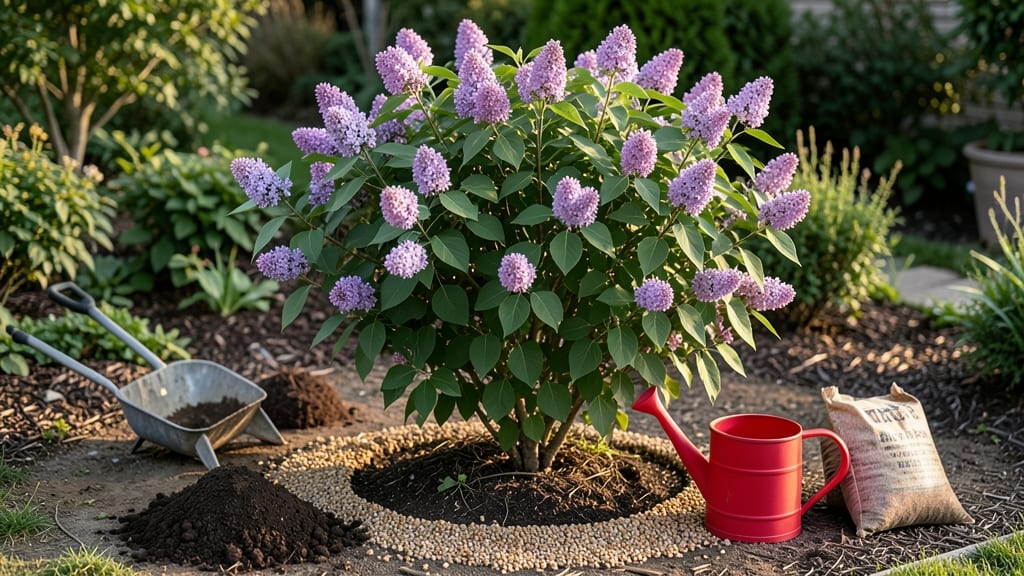
Your lilac bushes could be blooming twice as hard this spring—if you fertilize them right. 🌸 The secret isn’t just throwing nitrogen at them (that’s how you end up with leaves, not flowers), but balancing three key nutrients that lilacs crave for vibrant blooms and strong stems.
I’ve learned the hard way that lilacs hate high-nitrogen fertilizers—they’ll shoot up foliage but skip the flowers. Instead, go for a low-nitrogen, high-phosphorus mix (like 5-10-10) in early spring, right when buds swell.
Organic options like bone meal or composted manure work too, but avoid fresh manure—it burns roots. A light application (about ½ cup per bush) is all they need.
What you’ll notice by midsummer is darker green leaves, sturdier stems, and clusters of blooms so dense they’ll make your neighbors jealous. The key is timing: fertilize again in early fall (but skip it in late summer—it’ll encourage tender growth that freezes).
Over-fertilizing? Yellow leaves or stunted blooms are your warning signs.
This method works for both young bushes and mature ones, and it keeps them healthy for years without heavy feeding. Once you master it, your lilacs will be the showstopper of the yard—no more sad, sparse blooms. Ready to give it a try?
📚 In This Guide
- What you need
- Instructions
- Tips and common mistakes
- Wrapping up and next steps
What you need
- ● Balanced fertilizer: Choose a 10-10-10 or 20-20-20 NPK (Nitrogen-Phosphorus-Potassium) ratio fertilizer. Quantity: 1–2 lbs per 100 sq. ft. of garden space.
- ● Slow-release fertilizer: Granular or spike form (e.g., Osmocote or Slow Release 14-14-14). Quantity: Follow package instructions (typically 1–2 lbs per bush).
- ● Organic compost: Well-aged, leaf mold, or worm castings. Quantity: 2–3 inches spread evenly around the base (avoid direct contact with stems).
- ● Watering can or hose: With a gentle spray nozzle for even moisture distribution.
- ● Gloves and knee pads: To protect your hands and knees during application.
- ● Garden trowel or spade: For mixing fertilizer into the soil (6–8 inches deep).
- ● Measuring cup or scale: To ensure precise fertilizer dosing.
- ● Pruning shears: For trimming dead or overgrown branches before fertilizing (early spring).
- ● pH test kit: To check soil acidity (ideal range for lilacs: 6.0–7.0). Adjust with lime or sulfur if needed.
- ● Mulch (straw or shredded bark): 2–3 inches thick to retain moisture and regulate soil temperature.
Step-by-Step guide to fertilizing lilac bushes for vibrant spring blooms
Here's how I give my lilacs the perfect nutrient boost—no guesswork, just lush blooms.
🌱 Step 1: Test Soil and Choose the Right Fertilizer
Before adding anything, check your soil's pH and nutrient levels with a simple test kit. Lilacs thrive in slightly acidic to neutral soil (pH 6.0-7.0). If your soil is too alkaline, blooms will be sparse. I use a balanced, slow-release fertilizer (like 10-10-10) for established bushes—it releases nutrients gradually without burning roots.
For newly planted lilacs, I switch to a low-nitrogen, high-phosphorus formula (like 5-10-5) to encourage root development. Avoid high-nitrogen fertilizers—they promote leafy growth at the expense of flowers. If your soil is already rich, a compost top-dressing (½ inch spread over the root zone) can work just as well.
💧 Step 2: Apply Fertilizer at the Right Time
Timing is everything. I fertilize lilacs right after the first flush of leaves appears in early spring—usually March or April, depending on your climate. This gives roots time to absorb nutrients before the energy demands of blooming begin. Never fertilize in late summer or fall, as new growth won’t harden off before winter.
For established bushes, I split the fertilizer into two applications: half in early spring and half 6 weeks later. This prevents overfeeding, which can lead to weak stems or excessive foliage with fewer flowers. Water the soil deeply 24 hours before applying fertilizer to help distribute nutrients evenly.
☀️ Step 3: Spread and Water In Properly
Work the fertilizer into the top 4-6 inches of soil around the bush, but keep it 6-8 inches away from the trunk to avoid root burn. I use my hands to gently scratch the granules into the soil—this ensures they make contact with roots without clumping. For compost, simply spread it evenly over the root zone and lightly rake it in.
After applying, water the bush deeply and slowly until moisture reaches 6 inches down. This helps dissolve the fertilizer and carries nutrients into the root zone. Avoid overhead watering right after—it can wash fertilizer away and cause leaf burn. You’ll know it’s working when new growth appears 2-3 weeks later with a richer green color.
✂️ Step 4: Monitor and Adjust for Next Year
Watch your lilacs closely after fertilizing. If leaves turn yellow with brown edges, you’ve overdone it—cut back on fertilizer next time. If blooms are small or sparse, increase phosphorus (the middle number in the NPK ratio) slightly. I like to mulch heavily in fall with 2-3 inches of shredded bark to retain moisture and slowly release nutrients.
Every 2-3 years, I do a soil test again. Lilacs are long-lived, and their nutrient needs change as they mature. If blooms start fading or leaves look pale, it’s time to switch up the fertilizer formula. A little consistency goes a long way—my oldest lilac bush has been blooming like crazy for 15 years with this routine.
Tips & tricks for perfect lilac bloom fertilization
Took me years to figure out these simple tricks that'll transform your lilacs from lackluster to showstopping. Here's what nobody tells you about fertilizing for maximum impact.
Soil Test Timing: I always test soil in late winter—right before the first signs of new growth appear. This gives me time to adjust pH or choose the right fertilizer before the critical bloom window. If your soil tests above pH 7.0, you'll need to amend with sulfur or peat moss before applying any fertilizer, otherwise those nutrients won't be available to your lilacs. The 24-hour watering before application (Step 2) is crucial—it helps distribute nutrients evenly through the soil profile.
Fertilizer Placement Precision: When working the fertilizer into the top 4-6 inches of soil (Step 3), I make sure to create small trenches about 1 inch deep—this prevents direct contact with roots that could cause burn. For compost, I actually create a "compost tea" first by steeping it in water for 24 hours, then watering with that solution. The organic matter breaks down faster this way, giving your lilacs an immediate nutrient boost without overwhelming them.
Seasonal Monitoring: Here's what I watch for after fertilizing: new growth should appear within 2-3 weeks with a deeper green color. If you see yellowing leaves with brown edges by early summer, that's your signal to reduce fertilizer amounts by half next time. I keep a garden journal with photos of each season's growth—it helps me track patterns and adjust my approach year to year.
Pro Tips for Fertilize Lilac Bushes
- Took me years to figure out these simple tricks that'll transform your lilacs from lackluster to showstopping. Here's...
- Soil Test Timing: I always test soil in late winter—right before the first signs of new growth appear. This gives me ...
- Fertilizer Placement Precision: When working the fertilizer into the top 4-6 inches of soil (Step 3), I make sure to ...
Frequently asked questions
Got questions about fertilizing your lilac bushes? You’re not alone! Here are some of the most common concerns—and straightforward answers—to help you grow lush, blooming bushes with ease.
When is the best time to fertilize lilac bushes?
Fertilize lilacs in early spring (March–April), just as new growth emerges, and again after they bloom (late May–June). Avoid fertilizing in late summer or fall, as this can encourage tender new growth that won’t survive winter. Pro tip: If your bushes are young (under 3 years old), skip fertilizer—they’re still establishing roots!
Can I fertilize lilacs in winter?
No, never fertilize in winter (November–February). Lilacs are dormant, and cold soil prevents nutrient absorption. Winter fertilization can also damage roots or encourage weak growth that freezes. Instead, focus on mulching with compost or shredded leaves to protect roots during frost.
What if my lilacs aren’t blooming after fertilizing?
Poor blooms often stem from over-fertilizing with nitrogen (which promotes leaves over flowers) or pruning at the wrong time. Try a balanced 10-10-10 or 5-10-5 fertilizer (higher phosphorus for blooms) and prune right after flowering, never in late summer. Bonus: Ensure they get 6+ hours of sun daily!
Are there organic alternatives to chemical fertilizers?
Try these organic options:
- Compost or well-rotted manure (work into soil in early spring)
- Fish emulsion or seaweed extract (diluted, applied as a foliar spray or soil drench)
- Bone meal (for phosphorus, sprinkle around roots in spring)
- Coffee grounds (lightly mixed into soil for nitrogen)
What do I do if my lilac leaves turn yellow after fertilizing?
Yellow leaves often signal over-fertilization or root damage. Flush the soil with water to leach excess salts, then reduce fertilizer strength by half for the next application. Check for pests (like aphids) or fungal issues (like powdery mildew), and adjust care accordingly. Prevent tip: Always water before fertilizing to help nutrients absorb evenly!
How often should I fertilize mature lilac bushes?
Mature lilacs (3+ years old) typically need fertilization once a year in early spring, with a light top-dressing of compost in fall. Over-fertilizing can lead to weak growth or fewer blooms. If your soil is poor, you can apply a slow-release fertilizer in spring and a second light dose after blooming.
Wrapping up and next steps
Fertilizing your lilac bushes in spring is your secret weapon for vibrant blooms and lush growth! 🌸 With the right balance of nitrogen, phosphorus, and potassium, you’ll set the stage for a showstopping display. Remember, timing and technique matter—don’t skip the soil prep or overdo it with chemicals.
Now that you’re armed with the how-tos, grab your gloves and get ready to transform your garden! Start small—test one bush first, observe the results, and adjust as needed. Happy gardening, and may your lilacs thrive this season! 🌿✨