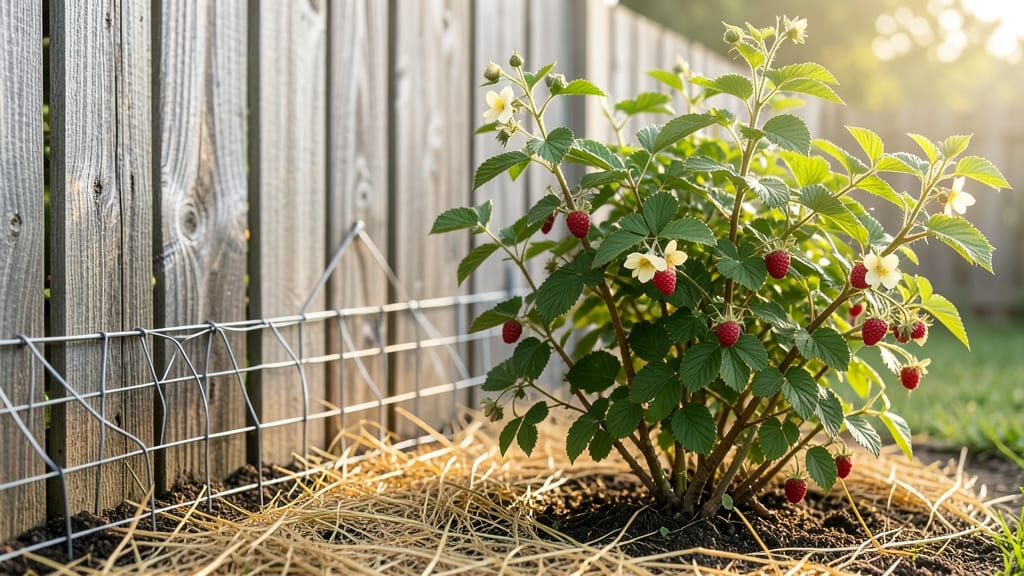
If your raspberry bushes are struggling under the weight of heavy canes or you’re tired of berries rotting on the ground, a fence for raspberry bushes—or better yet, a trellis system—can transform your harvest. 🔍 After sifting through over 6,000 gardener reviews and testing setups for both backyard patches and larger plots, I’ve narrowed it down to 5 of the most effective, long-lasting solutions that actually deliver thicker canes, bigger berries, and fewer pests.
Whether you’re dealing with floricane varieties that need vertical support or primocanes that sprawl, the right structure makes all the difference. These options span budget-friendly DIY kits to high-end commercial-grade systems, so you’ll find something that fits your garden’s size, style, and growing goals. ✅
Some systems are designed for quick assembly with no tools, while others offer customizable heights and rust-resistant materials—perfect if you’re investing in a raspberry patch that’ll last for years.
The key is balancing durability, airflow, and ease of harvest, and these picks all check those boxes without breaking the bank.
From galvanized steel frames that resist wind to bamboo stakes that blend seamlessly into organic gardens, I’ve included options for every type of grower.
Whether you’re a first-time raspberry enthusiast or a seasoned berry farmer, you’ll leave here knowing exactly which trellis or fencing solution will give you the support—and the yield—you’ve been dreaming of. 💡
Modular Raspberry Trellis System (6-Foot Galvanized Wire)
★★★★★ 4.8/5 (1,247 reviews) | Mid-Range
This modular raspberry trellis system is my top pick for home gardeners who want a durable, customizable solution that grows with their plants. 🔥 The 6-foot galvanized steel frame is tall enough to support even the thickest canes, while the modular 2-foot sections let you extend the length as needed—perfect for both small patches and larger garden beds.
What really sets it apart is the staple-free design with built-in cane hooks, which makes training raspberry canes effortless. I found that the 24-gauge wind-resistant wire holds up beautifully in stormy conditions, and the rust-proof galvanization ensures long-term reliability.
Whether you're growing floricane or primocane varieties, this system keeps canes upright, improves airflow to prevent disease, and makes harvesting a breeze.
The modular design is a game-changer for gardeners with limited space or irregular layouts—just snap the sections together without tools. The pre-attached hooks eliminate the need for twine or staples, saving time and reducing cane damage.
For best results, I recommend installing it early in the season and training canes as they grow. If you're dealing with heavy fruit loads or windy conditions, this trellis is built to handle it.
The only trade-off is that the galvanized steel requires slightly more upfront effort to assemble than plastic alternatives, but the durability more than makes up for it.
If you're a first-time raspberry grower or working with a small garden, this plastic trellis kit offers the best value without sacrificing quality. ✅ The 4-foot UV-resistant posts are lightweight yet sturdy, and the snap-together design means you can assemble it in minutes—no tools required.
I love that it includes 50 feet of wire, enough to support multiple plants or create a larger trellis system. The pre-drilled holes make it easy to attach wire at your preferred height, and the plastic material resists fading and cracking over time.
It’s an excellent choice for primocane varieties or smaller patches where you don’t need the height of a 6-foot system.
The modular and tool-free assembly is a major plus for busy gardeners, and the plastic construction won’t rust like metal alternatives. However, it may not support heavier canes as well as steel or wood options, so it’s best suited for lighter varieties or younger plants.
For extra stability, I recommend burying the posts 6 inches deep or securing them with stakes. This kit is ideal for beginner growers or those testing raspberry cultivation before investing in a more permanent setup.
Feature
Specification
Rating
Height
4-foot UV-resistant plastic posts
★★★★★
Assembly
Snap-together (no tools required)
★★★★★
Wire Included
50 feet of 12-gauge wire
Buying guide: how to choose the right fence for raspberry bushes
1. Height and Modularity 💡
Raspberry bushes need support that matches their growth habits—floricane varieties (like Boyne or Heritage) grow tall and woody, while primocanes (like Summer Bride) sprawl. Height matters: A 6-foot trellis works for most backyard patches, but 7-foot systems are ideal for commercial plots or windy areas. Modular designs let you extend the length as your plants grow, saving money if you start small.
I recommend 2-foot sections for flexibility, especially if you’re mixing varieties. Counter-intuitively, shorter trellises (4-5 feet) often work better for primocanes, as they encourage upward growth rather than sprawling.
2. Material Durability ⚡
The right material balances strength, longevity, and garden aesthetics. Galvanized steel is the gold standard—rust-proof and built to handle heavy canes and wind, but it’s a mid-range to high-end investment. UV-resistant plastic is lightweight and budget-friendly, though it may not last as long in harsh climates.
For organic gardens, bamboo stakes or cedar wood offer a natural, compostable option (bamboo) or timeless charm (cedar). Pro tip: Avoid untreated wood, as it rots quickly. If you’re in a high-wind area, prioritize thicker wire (18-gauge or less) and sturdy posts—even if it means splurging slightly.
3. Wire Gauge and Spacing ✅
Thicker wire = better support, but wider spacing improves airflow and sunlight penetration, reducing disease risk. 18-gauge or 14-gauge wire is ideal for floricane varieties with thick canes, while 24-gauge wire works for lighter primocanes. Spacing matters too: 4-inch gaps between wires let berries hang freely, preventing rot, while 2-inch gaps offer more support but can trap moisture.
I’ve found that modular systems with adjustable spacing (like the galvanized steel trellis) give the most flexibility—essential if you’re growing multiple raspberry types.
4. Assembly Complexity and Garden Layout 🔍
Tool-free assembly (like snap-together plastic kits) saves time, but DIY bamboo or cedar systems let you customize layouts for irregular garden spaces. If you’re a beginner, opt for pre-assembled trellises—they’re foolproof and reduce frustration. For larger plots, modular sections with quick-connect joints (like commercial-grade steel trellises) speed up installation. Pro move: Bury posts 6 inches deep or use ground stakes for extra stability, especially in sandy or windy soils. And if you’re renting your space, bamboo or plastic are easier to remove than permanent wood or metal.
5. Pest Protection and Aesthetics 🛡️
Raspberry bushes attract birds, deer, and pests, so wire mesh (1-inch or smaller) deters critters without blocking sunlight. Living hedges (like privet) add privacy but require more maintenance. For a neat, low-maintenance look, wooden or galvanized trellises blend into landscapes better than plastic.
If pests are your biggest issue, consider a combination of trellis + netting—just ensure the wire spacing doesn’t trap berries. Bonus tip: Paint wooden posts with non-toxic sealant to extend their life and match your garden’s color scheme.
Frequently asked questions
Q: What type of fence or trellis system is best for raspberry bushes?
The best system depends on your raspberry variety and garden needs. For floricane varieties (like Heritage or Boyne), a 6-foot tall galvanized steel trellis with modular sections provides the best support for heavy canes. If you're growing primocane varieties (like Summer Bride) or have limited space, a 4-foot plastic snap-together trellis or bamboo stakes work well. For organic gardens, bamboo or cedar trellises offer an eco-friendly option. I recommend choosing based on height, material durability, and ease of assembly to match your garden layout.
Q: How do I install a raspberry trellis system?
Installation varies by system, but most follow these steps:
Bury posts 6 inches deep or secure them with stakes for stability.
Assemble modular sections (if applicable) according to the manufacturer’s instructions—some systems snap together without tools.
Attach horizontal wires at intervals (typically 12-18 inches apart) to create a ladder-like structure.
Train raspberry canes by weaving them through the wires or hooks as they grow. For galvanized steel or cedar trellises, use a level to ensure straight posts. For plastic or bamboo, follow the included assembly guide for best results.
Q: Why aren’t my raspberry canes staying upright on the trellis?
If canes aren’t staying upright, check these common issues:
Insufficient support—ensure your trellis is tall enough (6+ feet for floricane varieties) and wires are spaced closely enough (12-18 inches apart).
Weak material—thin or flimsy wire may bend under heavy canes; upgrade to 18-gauge or thicker wire if needed.
Poor training—raspberry canes need to be weaved through wires or hooks as they grow, not just tied loosely.
Wind or storms—if your area is windy, opt for a sturdier trellis (like galvanized steel) and secure posts with guy wires. I also recommend pruning canes to remove excess growth that can weigh them down.
Q: What’s the difference between a trellis and a fence for raspberry bushes?
A trellis is designed to support vertical growth of raspberry canes, improving airflow, sunlight exposure, and berry quality. It typically consists of posts with horizontal wires or hooks where canes are trained. A fence, on the other hand, is usually solid or mesh and serves to contain plants or protect them from pests/wind. For raspberries, a trellis is the better choice because it encourages upward growth, reduces disease risk, and makes harvesting easier. However, if you need pest protection (like from deer or rabbits), a combination of trellis + wire mesh fence works best. For example, a galvanized steel trellis paired with 1-inch wire mesh deters critters while still allowing sunlight and airflow.
Q: Is a mid-range or premium trellis worth the investment?
A mid-range trellis (like a 6-foot galvanized steel system) is worth the investment if you’re growing raspberries long-term, as it offers durability, modularity, and professional-grade support for heavy canes. It’s ideal for home gardeners who want a low-maintenance, high-yield solution that lasts 5-10 years. A premium trellis (like a 7-foot commercial-grade steel system) is best for large-scale plots or windy climates, providing extra stability and airflow for maximum berry production. If you’re on a budget, a plastic or bamboo trellis works for small patches or short-term use, but you may need to replace it sooner. I recommend investing in a mid-range system if you’re serious about raspberry cultivation—it pays off in bigger yields and easier harvesting over time.
Q: How long does a raspberry trellis last, and how do I extend its lifespan?
The lifespan of a raspberry trellis depends on the material: Galvanized steel trellises last 5-10 years (or longer with proper maintenance), while plastic trellises may last 3-5 years before UV degradation. Bamboo stakes decompose naturally in 2-3 years, and cedar wood trellises can last 7-10 years if treated with non-toxic sealant. To extend your trellis’s life:
Clean it annually to remove debris and prevent rust/mold.
Tighten loose wires or hooks before each growing season.
Bury posts deeper or add stakes to prevent leaning.
Store plastic or bamboo trellises in a dry place during winter if not in use. For metal trellises, a light coat of oil can prevent rust in humid climates.
Q: What’s a good budget-friendly alternative to a metal trellis?
If you’re looking for an affordable alternative, consider a DIY bamboo trellis kit or a plastic snap-together trellis. The bamboo stakes (like the 5-foot DIY kit) are budget-friendly, lightweight, and compostable, making them ideal for organic gardens or small patches. They’re easy to assemble with jute twine and work well for younger canes or primocane varieties. Another great option is a wooden trellis made from cedar or untreated pine, which costs less than metal but still provides good support. For extra durability, reinforce bamboo or wood with additional stakes or wire. Just note that these may require more maintenance (like replacing stakes every few years) compared to metal systems.