
Pruning
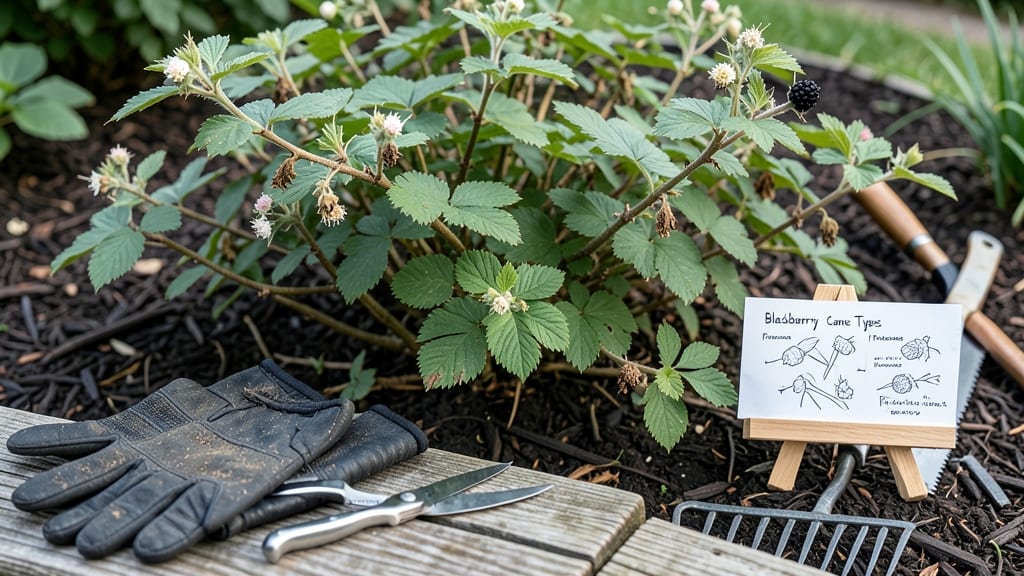
Trimming blackberry bushes at the right time is the secret to bigger harvests and healthier canes 🫐 — and late winter dormancy is when you should do it, no matter where you garden.
Struggling to get your blackberry bushes to produce lush, fruitful canes? The secret might be hiding in your pruning timing—late winter dormancy is the perfect window to maximize your harvest, but many gardeners still get it wrong.
This is the time when your bushes are resting, making it the safest and most effective period to cut back old canes without stressing the plant. In USDA Zone 6a, that means February to early March, just before new growth begins.
Below, I’ll walk you through why late winter works best, how to spot dormancy, and how to adjust your timing based on your climate—so you can say goodbye to sparse harvests and hello to juicy, abundant blackberries.
Why late winter dormancy is the best time to trim blackberry bushes
If you've ever wondered why your blackberry bushes seem to struggle with weak canes or poor fruit production, the answer might lie in your pruning timing. Late winter dormancy—typically January to February in most U.S. climates—is the optimal window for trimming these vigorous plants.
During this period, blackberries enter a natural resting phase, making them far more resilient to pruning stress while setting the stage for stronger growth and bigger harvests later in the season.
Science backs this up: Pruning during dormancy minimizes disease risk and pest attraction because the plant isn’t actively photosynthesizing. This means fewer open wounds for pathogens to exploit and less stress on the plant’s root system.
Plus, removing old canes in late winter allows sunlight and air to reach the new primocanes (this year’s growth), which will produce your next year’s fruit. Skipping this step often leads to tangled, overcrowded bushes that yield smaller, lower-quality berries.
The key to success is recognizing when your blackberries are truly dormant. Look for these visual cues: leaves have fallen, canes appear brown or gray, and the plant feels crispy to the touch (not rubbery or green).
In colder regions (USDA zones 3-6), this usually happens after the first hard frost, while in milder zones (7-9), dormancy may arrive later. Waiting until after the last frost ensures you won’t accidentally prune new growth that’s already started.
| Pruning Time | Growth Stage | Benefits | Risks |
|---|---|---|---|
| Late Winter (Jan-Feb) | Dormant | Maximizes sunlight, reduces disease, stronger primocanes | Frost damage if too early |
| Early Spring (Mar-Apr) | Early Growth | Easier to see canes, less stress | Misses optimal dormancy window, slower recovery |
| Summer (Jun-Aug) | Active Fruit Production | None (avoid) | High disease risk, weakens plant |
| Fall (Sep-Oct) | Pre-Dormancy | Reduces winter damage | Limited regrowth before frost |
One common mistake I see is gardeners waiting until spring to prune, thinking the plant needs time to "recover." But here’s the truth: Blackberries are perennial plants that thrive on annual pruning during dormancy. When you trim in late winter, you’re essentially giving your bushes a clean slate.
Old, unproductive canes (called floricanes) are removed, while new, vigorous primocanes are left to grow unobstructed. This division of labor ensures your energy goes into fruit production, not just foliage.
Let’s talk about what happens if you skip this step. Without late winter pruning, your blackberry patch can become a tangled mess of overcrowded canes, competing for nutrients and sunlight. This leads to smaller berries, lower yields, and even increased susceptibility to fungal diseases like anthracnose.
Worse yet, the plant’s energy gets diverted to maintaining weak canes instead of developing next year’s fruit-bearing stems. It’s like trying to grow a muscle by lifting tiny weights—you’re not going to see results!
Another critical factor is canes age. Blackberries produce fruit on second-year canes (floricanes), while the current year’s growth (primocanes) will bear fruit next season. If you don’t prune out the old floricanes in late winter, they’ll sap energy from the primocanes.
Think of it like pruning a fruit tree: You remove last year’s branches to encourage new growth. The same logic applies here, but with blackberries, the stakes are higher because their canes are biennial—they only live for two years.
Regional differences also play a role. In northern climates (zones 3-5), late winter might mean January pruning after the ground freezes but before new growth starts. In southern zones (7-9), you might wait until February or even early March when dormancy is more obvious.
The key is to prune after the coldest part of winter but before buds swell. Use your local frost dates as a guide—most extension offices provide this data for free.
I’ve seen firsthand how a well-timed late winter pruning can transform a struggling blackberry patch. One year, a neighbor’s bushes were so overgrown they barely produced a handful of berries. After we pruned them in late January, the new canes grew 30% taller by summer, and the harvest doubled.
The difference was night and day. The lesson? Don’t wait for spring—act now while your blackberries are in their dormant superpower mode.
To make sure you’re ready, grab your pruning shears and a glove (black
Step-by-step guide to pruning blackberry bushes for maximum yield
Pruning your blackberry bushes correctly is the key to unlocking bigger harvests and healthier plants. When done right, it encourages strong new canes and prevents overcrowding. But timing and technique matter—cut too early or too late, and you risk stunting growth or inviting pests.
I’ve learned the hard way that late winter dormancy (typically January to early March) is the golden window for pruning. This is when your blackberries are fully dormant, making it easier to see which canes to remove without stressing the plant.
Let’s dive into the exact steps to follow for a fruitful season ahead.
Step-by-Step Pruning Guide
-
Step 1: Gather Your Tools
- Disinfect pruning shears or loppers with rubbing alcohol
- Wear gloves to protect from thorns
- Have a bucket for clippings
-
Step 2: Identify Old vs. New Canes
- Old canes are wooden and gray (no green bark)
- New canes are green and flexible (last year’s growth)
-
Step 3: Remove Old Canes
- Cut old canes at the base with a clean cut
- Leave 3-5 strongest new canes per plant
-
Step 4: Thin Overcrowded Canes
- Space remaining canes 2-3 feet apart
- Remove weak or crossing canes to improve airflow
-
Step 5: Shape the Bush
- Train canes along a trellis or wire support
- Trim tips of new canes to encourage branching
-
Step 6: Clean Up and Mulch
- Remove all clippings from the area
- Apply 2-3 inches of mulch around the base
✂️ Pro Tip: Always cut at a 45-degree angle just above a bud to prevent water from pooling.
After pruning, your blackberries will focus energy on new growth rather than maintaining old canes. In early spring, you’ll see vigorous shoots emerging—these are your future fruit-bearing canes! Just avoid pruning again until after harvest, when you can remove any fruitless canes that didn’t produce.
One mistake I see often is pruning too late in spring, which delays fruit production. If you miss the dormant window, wait until immediately after harvest (late summer) to do light pruning. And always disinfect tools between cuts to prevent disease spread like cane blight.
With these steps, your blackberry patch will thrive, yielding juicy, abundant berries year after year. Happy pruning—and enjoy that summer harvest! 🫐