
Pruning
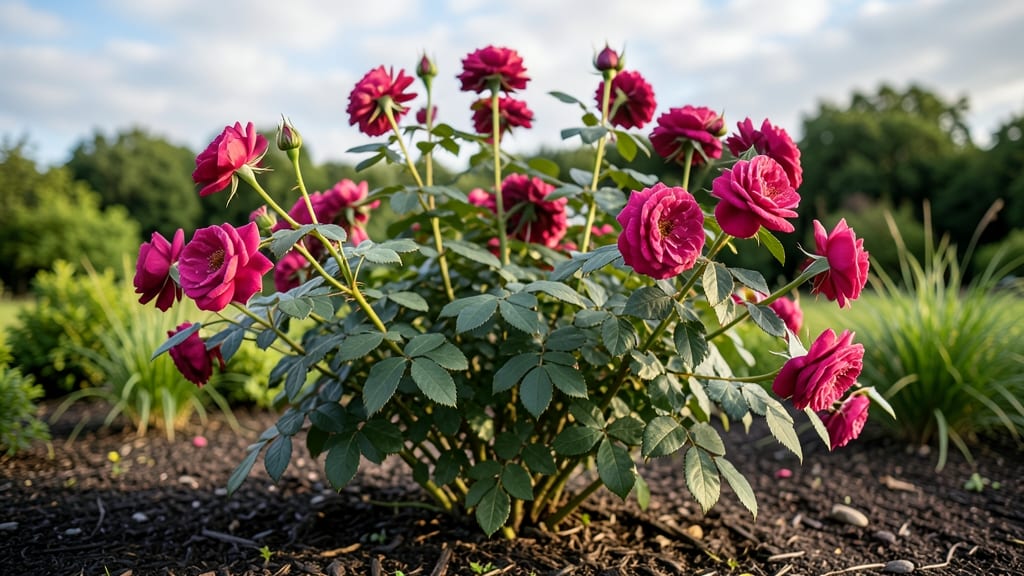
Transforming your garden into a Parisian masterpiece starts with an Eiffel Tower rose bush—its elegant, structured growth makes it the star of any vertical display. 🌹 I’ve pruned mine for years, and the secret isn’t just cutting back; it’s shaping those canes to create a living sculpture that blooms from top to bottom.
This rose thrives on full sun and well-draining soil, but its real magic happens in the pruning. Unlike sprawling climbers, the Eiffel Tower grows in a controlled, upward spiral—perfect for trellises or walls.
With the right technique, you’ll encourage dense foliage and hundreds of blooms per season, all while keeping the plant healthy and compact. The payoff? A rose bush that looks like it belongs in a French chateau garden, not just your backyard.
We’ll cover when to prune, how to train those canes, and the simple tools you’ll need—no green thumb required, just patience and a steady hand. Winter care is where most gardeners trip up, but I’ve got a foolproof method to protect your rose through the cold months.
Let’s get those canes climbing!
📚 In This Guide
- What you need
- Instructions
- Tips and common mistakes
- Wrapping up and next steps
What you need
- ● Pruning shears: Bypass pruners (sharp, clean, and sterilized with rubbing alcohol or bleach). Quantity: 1 pair.
- ● Loppers: For thicker stems (1/4" to 1.5" diameter). Quantity: 1 pair.
- ○ Hand pruners: For delicate trimming (optional but helpful for precision). Quantity: 1 pair.
- ● Gloves: Heavy-duty gardening gloves (cut-resistant for safety). Quantity: 1 pair.
- ● Disinfectant: 10% bleach solution or rubbing alcohol (to sterilize tools between cuts). Quantity: Small spray bottle or cloth.
- ● Rake or broom: For clearing debris post-pruning. Quantity: 1.
- ○ Pruning sealant (optional but recommended): To protect large cuts (e.g., Tanglefoot Pruning Seal). Quantity: Small tube.
- ● Stakes & twine: For supporting new growth (if needed). Quantity: 4-6 stakes, 1 spool twine.
- ● Timing: Prune in early spring (before new growth) or late winter (dormant season). Avoid pruning after June to prevent winter damage.
- ● Weather: Choose a dry, overcast day to minimize stress on the plant.
- ● Health check: Remove any dead, diseased, or crossing branches first—this keeps your rose bush thriving!
- ● Rose fertilizer: Organic or slow-release (e.g., Espoma Rose-Tone) to boost post-pruning growth.
- ● Mulch: Organic mulch (e.g., pine straw or shredded bark) to retain moisture and suppress weeds.
- ● Plant food spray: For a quick nutrient boost (e.g., fish emulsion).
- ● Camera: Snap before/after photos—your Eiffel Tower rose will be the star of your garden!
Step-by-step instructions for pruning an Eiffel Tower rose bush
This iconic rose thrives on precision—here’s how to shape it into its signature upright form while keeping it healthy and blooming.
✂️ Step 1: Prune in Late Winter or Early Spring
Wait until after the last frost when temperatures stay above 40°F at night. This timing ensures the plant has entered dormancy but hasn’t yet begun active growth. You’ll see brown canes instead of green—this is your cue. Prune too early, and you risk damaging buds that haven’t formed yet.
Use clean, sharp pruners to make cuts at a 45-degree angle just above an outward-facing bud. This angle helps water run off the cut and prevents rot. If you see dead or diseased wood, cut it back to healthy tissue—you’ll know it’s healthy when the inside is green, not brown or hollow.
✂️ Step 2: Shape the Bush into a Pyramid
The Eiffel Tower rose’s signature look comes from its tapered, pyramid shape. Start by removing weak, crossing, or inward-growing canes—these compete for nutrients and block airflow. Aim for 3-5 strong, evenly spaced canes at the base, gradually thinning as you move upward.
Leave 3-4 buds on each remaining cane. These buds will grow into new branches that form the bush’s structure. If a cane is longer than 18 inches, cut it back to 12 inches to encourage bushier growth. You’ll see new green shoots emerging from the buds within 2-3 weeks—this confirms you’ve pruned correctly.
☀️ Step 3: Thin Out Interior Growth for Airflow
Eiffel Tower roses need good airflow to prevent fungal diseases like black spot. Reach into the center of the bush and remove any crowded or rubbing branches. These are the ones that touch each other or grow inward—you’ll spot them by their yellowing leaves or mushy stems from poor circulation.
Don’t over-prune—you’re not stripping the bush bare. Leave plenty of foliage on the outer branches to support photosynthesis. After thinning, step back and visualize the shape: it should look like a tapered tower, wider at the base and narrower at the top. If it looks lopsided, adjust by cutting back more on the denser side.
✂️ Step 4: Deadhead and Prune Throughout the Growing Season
After the initial spring prune, deadhead spent blooms regularly to encourage more flowers. Pinch off the wilting flower and the small leaf cluster just below it. This redirects the plant’s energy into producing new buds instead of seed pods. You’ll notice new flower buds forming within 1-2 weeks after deadheading.
In late summer, give the bush a light trim to remove any overly leggy growth or weak stems. Avoid heavy pruning now—it can stimulate tender new growth that won’t survive winter. Focus on shaping and cleaning up rather than drastic cuts. If you see pale or yellowing leaves, it’s a sign of over-pruning or nutrient deficiency—reduce cuts and fertilize lightly.
🪴 Step 5: Clean Up and Prepare for Winter
In late fall, after the first frost but before the ground freezes, do a final light prune. Remove any remaining dead or diseased wood, but avoid heavy cuts—you want the plant to enter dormancy with enough energy stored in its roots. Rake up and dispose of all pruned material (don’t compost it—diseases can overwinter in the debris).
Mulch the base of the bush with 2-3 inches of organic mulch to protect the roots from freezing temperatures. Water deeply before the first hard freeze to ensure the plant is hydrated. By spring, you’ll see new green shoots emerging from the base—this means your pruning paid off, and the bush is ready to bloom again.
Tips & tricks for perfect Eiffel Tower rose bush pruning
Transforming your rose bush into a stunning architectural masterpiece takes the right approach—and these insider tips will help you avoid common pitfalls while achieving that signature French elegance.
Timing is Everything: The 40°F nighttime temperature threshold is your golden cue for spring pruning. I recommend checking your local frost dates and marking your calendar—pruning too early can damage dormant buds that haven't formed yet. Pro tip: Use a weather app to track overnight lows, and wait until you've had three consecutive nights above 40°F before starting. This gives your rose the best chance to respond vigorously to pruning.
The 45-Degree Secret: That angled cut isn't just for show—it's a hydraulic engineering trick! The 45-degree angle directs water away from the cut surface, preventing rot that can kill your new growth. If you don't have an angled pruner, use regular pruners to make a slight diagonal cut just above the outward-facing bud. Think of it like creating a tiny roof that sheds water naturally.
Visualizing the Pyramid: Before making any cuts, step back and study your rose bush from all angles. The Eiffel Tower shape should be wider at the base (like the tower's foundation) and gradually narrow toward the top. I like to sketch a quick pyramid outline on paper first—this helps me visualize where to make cuts. Remember, you're sculpting, not hacking! The goal is to maintain that elegant taper while keeping the bush open enough for sunlight to penetrate all the way to the center.
Bud Count Matters: Leaving 3-4 buds on each remaining cane is non-negotiable for that classic look. These buds will become your new branches, so their placement determines your bush's future shape. Count them carefully—too few, and your bush will be sparse; too many, and you'll lose that refined structure. I always start with the strongest canes at the base and work my way up, ensuring each cut leaves buds pointing in the direction I want new growth to go.
Pro Tips for Eiffel Tower Rose Bush
- Transforming your rose bush into a stunning architectural masterpiece takes the right approach—and these insider tips will help you avoid common pitfalls while achieving that signature French elegance.
- Timing is Everything: The 40°F nighttime temperature threshold is your golden cue for spring pruning.
- The 45-Degree Secret: That angled cut isn't just for show—it's a hydraulic engineering trick!
Frequently asked questions
Got questions about nurturing your Eiffel Tower rose bush? You’re not alone! Here are some of the most common queries—plus straightforward answers to keep your climbing rose thriving with that classic French flair.
How often should I prune my Eiffel Tower rose bush?
Prune your Eiffel Tower rose once a year, ideally in late winter or early spring (before new growth starts). Light trimming to remove dead or crossing branches can happen in summer, but avoid heavy pruning then—it stresses the plant. Think of it like a Parisian haircut: less is more for that polished look!
When is the best time to prune for maximum blooms?
For abundant, show-stopping blooms, prune in late winter (February–March in most climates). This encourages strong, healthy canes that’ll burst with flowers by summer. Avoid pruning after mid-June—new growth won’t have time to harden off before winter, risking frost damage. Patience pays off, just like waiting for the Eiffel Tower’s sparkle at night!
What if my rose bush isn’t blooming after pruning?
If your Eiffel Tower rose is skipping blooms, check these:
- Light: Ensure it gets 6+ hours of sunlight daily—partial shade dulls blooms.
- Water: Deep water 1–2 times weekly (drought stress = fewer flowers).
- Fertilizer: Feed with rose-specific fertilizer in early spring and mid-summer.
- Pruning: Over-pruning? Aim to leave 3–5 strong canes (no more than 1/3 of the plant).
Can I grow an Eiffel Tower rose bush in a container?
These roses thrive in large containers (20+ gallons) with drainage holes. Use a well-draining potting mix (add perlite or sand) and a trellis or obelisk for support. Just move the pot to a sunny spot in summer and bring it indoors (or protect from frost) in winter. Pro tip: Water containers daily in hot weather—they dry out faster!
Why are my rose leaves turning yellow or black?
Yellow leaves often signal overwatering or nutrient deficiency, while black spots usually mean fungal disease (like black spot). Here’s how to fix it:
- Yellow leaves: Let soil dry slightly between waterings; add iron supplement if needed.
- Black spots: Prune infected leaves immediately, apply fungicide, and improve air circulation (space plants 3–4 feet apart).
- Prevent future issues: Water in the morning and avoid wetting foliage.
Wrapping up and next steps
Pruning your Eiffel Tower rose bush isn’t just about shaping—it’s an art that breathes life into your garden while keeping those iconic blooms thriving. 🌹 With the right tools, timing, and techniques, you’ll cultivate a rose bush that’s as elegant as the Lady of Paris herself.
Whether you’re a seasoned gardener or just starting, this structured approach ensures your roses stay lush, healthy, and full of French charm.
Now that you’re armed with expert tips, roll up your sleeves and give your rose bush the care it deserves! Ready for the next step? Consider exploring companion plants or diving into organic fertilizing to keep your garden flourishing year-round.