
Pruning
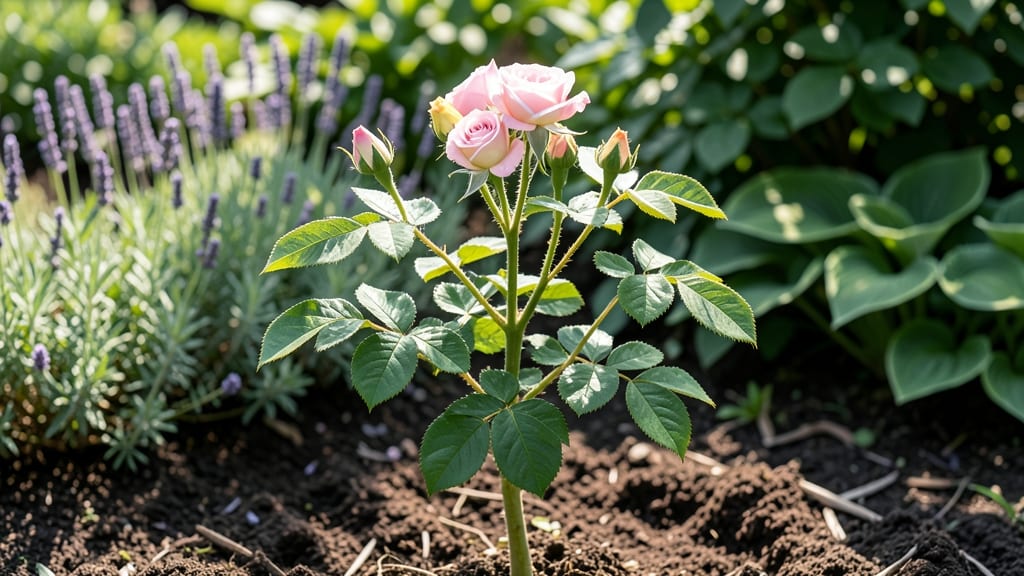
Your new rose bush's first year is all about building strong canes—not just pretty blooms. ✂️ I’ve watched too many gardeners rush pruning and end up with weak, leggy stems that struggle to support flowers. The secret?
Pruning at the right time, with the right cuts, to encourage sturdy growth from the start. Most beginners over-prune, thinking more cuts mean more blooms—but roses bloom on new growth, so you actually want to limit aggressive pruning in year one.
Focus on removing dead wood, crossing branches, and shaping the bush to open it up for airflow. By winter, you’ll have a framework of thick, healthy canes ready to burst with flowers next season. Watering and fertilizing matter just as much as pruning.
Keep the soil consistently moist (not soggy) for the first few weeks, and feed lightly with a balanced rose fertilizer every 6 weeks. Avoid heavy pruning until the plant’s second year—this is where patience pays off with stronger stems and bigger blooms.
This method works for hybrid teas, floribundas, and shrub roses alike. Stick with it, and your bush will reward you with fewer diseases, more blooms, and less work in future years.
📚 In This Guide
- What you need
- Instructions
- Tips and common mistakes
- Wrapping up and next steps
What you need
- ● Pruning shears (bypass type) – Sharp, clean, and with a 5-7 inch blade (1 pair required). Avoid anvil shears—they crush stems!
- ● Loppers – For thicker canes (up to 1.5 inches) (1 pair). Look for ratcheting or bypass styles.
- ○ Hand pruners (felco-style) – Optional but handy for precision cuts (1 pair). Great for detail work on smaller branches.
- ● Disinfectant (70% rubbing alcohol or bleach solution) – 1 small spray bottle or wipe. Prevents disease spread between cuts!
- ● Garden gloves – Thick, cut-resistant (e.g., nitrile-coated) (1 pair). Rose thorns are no joke!
- ● Rake or garden fork – For clearing debris around the bush (1). Helps keep the workspace tidy.
- ○ Compost or mulch – 2-3 gallons (optional but recommended). Replenishes nutrients post-pruning.
- ● Dry, calm weather – Choose a day with no rain in the forecast. Wet conditions encourage fungal growth.
- ● Clear workspace – Remove dead leaves, weeds, and debris within a 3-foot radius.
- ● Pruning plan – Sketch or mentally map your cuts. Refer to your rose bush’s growth habit (e.g., hybrid tea vs. climber).
- ● Water source – Hose or watering can nearby. Hydrate the bush before and after pruning.
- ● Sharpen your tools! – Dull blades tear stems, inviting disease. Use a file or sharpening stone.
- ● Label your cuts – Use a marker or flagging tape to track which canes you’ve pruned (helpful for beginners!).
- ● Sterilize between bushes – Wipe tools with alcohol if working with multiple rose bushes.
Step-by-Step instructions for pruning a new rose bush
Your first year of pruning sets the foundation for a lifetime of healthy blooms. Here's how to shape your new rose bush like a pro.
✂️ Step 1: Remove Dead and Damaged Wood
Start by inspecting your rose bush for any canes that are completely brown, mushy, or hollow—these won't recover. Use sharp pruning shears to cut these out at the base, making clean cuts at a 45-degree angle. This prevents water from pooling on the cut, which can rot the cane.
Look for any canes that are crossing or rubbing against each other. These weak spots invite disease, so remove the weaker of the two canes. I always prune the smaller or less vigorous cane to encourage the stronger one to fill the space. You'll know you're on the right track when you see healthy green tissue inside the cane when you make your cut.
✂️ Step 2: Thin Out Overcrowded Canes
New rose bushes often grow too many canes, which compete for nutrients and air circulation. Aim to leave 4-6 strong, evenly spaced canes for hybrid teas and floribundas, or 3-5 canes for shrub roses. Cut the weakest canes down to the ground, making sure to leave at least 1/4 inch above a bud.
When thinning, step back and visualize the bush. You want good airflow and sunlight to reach the center. If you're unsure which canes to keep, choose the ones that are growing outward rather than inward. This opens up the center and reduces the risk of fungal diseases like black spot.
✂️ Step 3: Prune for Shape and Airflow
Now focus on shaping the bush. Look for canes that are growing in the wrong direction—those that are crossing, growing inward, or growing too low. Cut these back to a bud that's growing outward. Always make your cuts just above a bud, angled away from the bud to prevent water from running down the stem.
For hybrid teas and grandifloras, aim to create an open vase shape. This means the top should be narrower than the base, allowing sunlight to reach the center of the bush. For shrub roses, a more natural, rounded shape works best. As you prune, imagine light streaming through the center—your goal is to let that light reach every part of the bush.
✂️ Step 4: Shorten Long Canes to Encourage Branching
If you have canes that are growing too long and leggy, cut them back by about 1/3 to 1/2 their length. This encourages the bush to branch out and produce more blooms. Make your cuts just above a strong, outward-facing bud. You'll see new growth emerging from that bud in a few weeks.
Don't worry about removing too much—new roses are resilient. The key is to make clean cuts and avoid leaving stubs. If you're unsure where to cut, look for a bud that's about 1/4 inch above the point where you want the new growth to start. This ensures the cane has enough energy to produce new shoots.
⏰ Step 5: Clean Up and Apply Post-Pruning Care
After pruning, rake up and dispose of all the clippings to reduce the risk of disease. Sterilize your pruning shears with rubbing alcohol or a 10% bleach solution to prevent spreading pathogens. Once the cuts have dried slightly, apply a thin layer of rose pruning sealant to larger cuts to protect them from disease and pests.
Water your rose bush deeply right after pruning to help it recover. Avoid fertilizing immediately, as new growth can be vulnerable to stress. Instead, wait until new shoots appear—usually within 2-3 weeks. This is your signal that the bush is ready to focus on growing strong, healthy canes for next year's blooms.
Tips & tricks for pruning a new rose bush
Here's what nobody tells you about shaping your rose bush the right way—these tricks will help you avoid common mistakes and set your plant up for years of strong growth.
The Angle Matters: When making those 45-degree cuts in Step 1, think of it like slicing a pizza—this angle prevents water from pooling on the cut, which would otherwise invite rot. I've seen too many beginners cut straight across, leaving little water traps that turn into disease entry points. Use your pruning shears to make clean, diagonal cuts just above a bud or outward-facing growth point.
Visualize the Light: In Step 3, when shaping your bush, step back and imagine sunlight streaming through the center. The goal is to create an open vase shape for hybrid teas or a rounded silhouette for shrubs. I always hold my hand up to block the sun and check for shadowed areas—those are spots where air can't circulate properly. This simple trick helps prevent fungal diseases like black spot that thrive in damp, shaded conditions.
Bud Basics: Remember that 1/4-inch rule from Steps 2 and 4? It's not just about measurement—it's about giving your rose bush the best chance to recover. When you cut just above a bud, you're telling that bud, "You're in charge here." This creates a natural growth point that will develop into strong new canes. I've learned the hard way that leaving stubs (cuts too close to the bud) can actually stunt growth or leave vulnerable spots for pests.
Timing is Everything: The 2-3 week window mentioned in Step 5 for new shoots is your golden opportunity to assess your pruning success. If you don't see new growth emerging within that timeframe, check your cuts—you might have been too aggressive. On the flip side, if you see excessive new growth, your cuts might have been too conservative. This is your plant's way of telling you it's ready to focus on building strong structure for next year's blooms.
Pro Tips for New Rose Bush
- Here's what nobody tells you about shaping your rose bush the right way—these tricks will help you avoid common mistakes and set your plant up for years of strong growth.
- The Angle Matters: When making those 45-degree cuts in Step 1, think of it like slicing a pizza—this angle prevents water from pooling on the cut, which would otherwise invite rot.
- Visualize the Light: In Step 3, when shaping your bush, step back and imagine sunlight streaming through the center.
Frequently asked questions
Got questions about pruning your new rose bush?
You’re not alone! Here are some of the most common concerns—plus quick, expert-backed answers to keep your roses thriving.
When is the best time to prune a new rose bush in its first year?
Prune your new rose bush in late winter or early spring (just before new growth starts) to encourage strong canes. Avoid heavy pruning in fall—focus on removing dead or diseased stems. For hybrid teas and floribundas, cut back by one-third; for climbers, prune lightly to shape.
How much should I cut back a brand-new rose bush?
For first-year roses, aim to remove only the dead, damaged, or crossing branches. Avoid aggressive pruning—new plants need their energy to establish roots. Leave 3-5 strong canes (about 12-18 inches tall) to grow. Over-pruning can stress young roses and delay blooms.
What if my new rose bush isn’t blooming after pruning?
Don’t panic! First-year roses often skip blooming to focus on root and cane growth. If your bush is healthy (green leaves, no pests), wait until year two for full blooms. Boost growth by fertilizing with rose-specific food in spring and keeping soil moist but not soggy.
Can I prune a new rose bush in summer?
Light summer pruning is fine—just never cut more than 10-15% of the foliage at once. Focus on deadheading spent blooms to encourage more flowers. Avoid heavy pruning in summer, as it can stress the plant and reduce winter hardiness. Save major shaping for dormancy.
What should I avoid when pruning a new rose bush?
- Pruning too late in spring—wait until frost risk passes.
- Using dull or dirty tools—sterilize shears with rubbing alcohol to prevent disease.
- Leaving stubs—cut at a 45-degree angle, ¼” above an outward-facing bud.
- Ignoring pests/disease—remove infected canes immediately.
Pro tip: Mark pruning cuts with a pencil or paint to track growth patterns over time!
Wrapping up and next steps
Your first year of pruning a new rose bush sets the foundation for years of vibrant blooms! By mastering the basics—removing dead wood, shaping canes, and encouraging airflow—you’ll nurture a healthier, more resilient plant. Remember: patience and consistency are key! 🌸
Ready to take the next step? Monitor your rose bush monthly and adjust pruning as needed. Before winter, give it a final trim to prep for dormancy. Happy gardening—your roses will thank you!