
Pruning
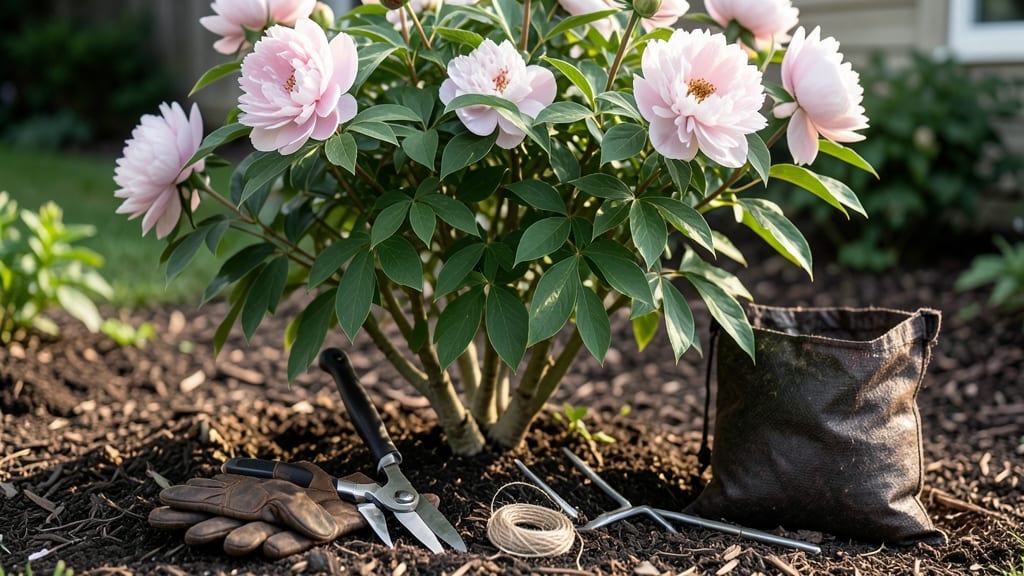
Cutting back peony bushes after flowering is the secret to next year’s boldest blooms—but timing and technique matter more than you’d think. ✂️ I’ve watched my own peonies go from sparse, weak stems to vibrant, bushy plants with just a few precise cuts, and the difference is in the details. Most gardeners prune too early or too aggressively, which stunts growth or invites disease. The right approach keeps your plants strong while maximizing those lush, fragrant blooms.
You’ll need just three basic tools: sharp bypass pruners, clean rubbing alcohol (to sterilize cuts), and a small pair of gloves for protection. The key moment to prune is late summer to early fall, after the foliage yellows but before the first frost.
This gives the plant time to store energy for next spring’s growth. Avoid cutting back in spring—new shoots emerge from the base, and aggressive pruning can remove next year’s flower buds before they form.
Start by removing any dead, diseased, or crossing stems at the base. Then, trim remaining stems back to 2–3 inches above the ground, cutting just above a bud or node. This encourages a fuller, bushier plant while preventing fungal issues.
The result? Stronger stems, more buds, and blooms that arrive earlier—and last longer—than ever before. The first year might feel risky, but trust the process.
For those with limited experience, here’s the golden rule: never cut more than a third of the plant’s foliage at once. Over-pruning stresses peonies, and they’ll take years to recover. If you’ve struggled with leggy stems or weak blooms, this method will transform your bushes in just one season.
The payoff? Healthy plants that reward you with years of effortless, showstopping flowers.
📚 In This Guide
- What you need
- Instructions
- Tips and common mistakes
- Wrapping up and next steps
What you need
- ● Bypass pruners – A sharp, clean pair (7–9 inches) for clean cuts. Sterilize with rubbing alcohol before and after use to prevent disease spread. 🔪
- ● Long-handled loppers – For thicker stems (if your peony has woody growth). Opt for bypass blades (not anvil-type).
- ● Garden gloves – Heavy-duty, cut-resistant gloves to protect your hands from thorns and rough stems.
- ● Disposable pruning saw – Only if you’re dealing with very thick, woody stems (rare in young peonies).
- ● Garden twine or zip ties – To tie back stems if you’re pruning in stages or need to support the bush temporarily.
- ● Compost bin or bag – For healthy, disease-free stems. Do NOT compost if stems show signs of blight or fungus.
- ● Pruning shears with a bypass blade – For trimming smaller, delicate stems if you prefer a lighter tool.
- ● Knee pad or small stool – Peonies can get tall—save your back!
- ● Hose or spray bottle – To rinse tools between cuts and reduce sap buildup.
- ● Fungicide spray – Copper-based or neem oil if your area is prone to fungal diseases.
- ● Label markers – If you’re pruning multiple varieties, mark stems to avoid confusion later.
Step-by-step instructions for cutting back peony bushes
Here's how to revive your peonies with precision—timing matters more than you think.
⏰ Step 1: Wait Until Late Fall or Early Winter
Never cut back peonies in summer or fall when they're still green. The foliage stores nutrients for next year's blooms, and removing it too early starves the roots. Wait until after the first hard frost when the leaves turn brown and crispy—usually November or December in most climates.
If you live in a mild winter zone, hold off until January. The key is that the plant must be fully dormant, with no signs of new growth. You'll know it's time when the stems feel dry and brittle at the base. This ensures the plant has fully absorbed nutrients before you prune.
✂️ Step 2: Cut Back to 2 Inches Above the Ground
Use sharp, clean pruners to cut all stems back to about 2 inches above the soil line. This height prevents the crown from rotting over winter while leaving enough protection for the dormant buds. Avoid cutting too close to the ground—you risk damaging next year's flower buds.
I like to make clean, diagonal cuts just above a node or bud if possible. This encourages stronger regrowth in spring. Bundle the cut stems and dispose of them in the trash or compost pile—never leave them on the ground where they can harbor pests or diseases.
🌱 Step 3: Clear Away Debris and Mulch Lightly
Remove all old foliage and stems from the base of the plant. Leaving debris can trap moisture and invite fungal diseases. Once the area is clear, apply a 2-inch layer of organic mulch like shredded bark or straw around the base but not touching the crown.
This mulch layer insulates the roots from extreme cold while preventing soil-borne diseases. In very cold climates, you can add an extra layer of straw or burlap around the crown for added protection. Avoid heavy mulch that could suffocate the plant.
☀️ Step 4: Monitor for New Growth in Early Spring
In early spring, when you see the first signs of new growth—usually purple or green shoots emerging from the ground—stop all pruning. These shoots are your peony's way of telling you it's waking up. If you accidentally prune them, you'll delay blooming.
Once the shoots reach about 4-6 inches tall, you can remove any dead or crossing stems to improve airflow. This is also a good time to check for signs of pests or diseases. Healthy peonies will produce strong, upright shoots ready for another season of stunning blooms.
Tips & tricks for perfect peony pruning
Timing is everything when it comes to peony care—and these insights will help you avoid common mistakes that could stunt next year's blooms.
Timing Secret: The first hard frost isn't just about temperature—it's about the plant's internal clock. When leaves turn brown and crispy (usually November-December), the plant has completed its nutrient storage process. Test dormancy by gently tugging a stem—if it snaps easily, it's ready. In mild climates where frost is rare, wait until January to ensure full dormancy. I've seen peonies blooming poorly after early pruning because the roots weren't properly nourished.
Cutting Technique: That 2-inch height isn't arbitrary—it's about protecting the crown while allowing winter air circulation. Use sharp pruners to make clean cuts just above a bud or node if possible. The diagonal cut prevents water from pooling on the stem, which could lead to rot. I've made the mistake of cutting too close to the ground, and those peonies took two years to recover their full bloom potential. Bundle the cut stems immediately after pruning to prevent disease spread from any hidden pathogens.
Mulching Wisdom: The 2-inch mulch layer serves two critical purposes: insulation and disease prevention. Organic mulch like shredded bark breaks down slowly, feeding the soil while protecting roots. In cold climates, add an extra layer of straw around the crown—this creates a microclimate that can mean the difference between winter survival and spring die-off. The key is to keep mulch away from the crown itself to prevent moisture buildup that could cause rot.
Spring Growth Cues: Those purple or green shoots in early spring are your peony's way of saying "I'm ready!" Don't prune them—this is when the plant starts pushing energy into next year's blooms. Once shoots reach 4-6 inches, you can do light maintenance by removing only dead or crossing stems. I've seen gardeners accidentally prune these new shoots and wonder why their peonies took so long to bloom. Think of this as your plant's annual reset button—handle it with care.
Pro Tips for Cutting Back Peony Bushes
- Timing is everything when it comes to peony care—and these insights will help you avoid common mistakes that could stunt next year's blooms.
- Timing Secret: The first hard frost isn't just about temperature—it's about the plant's internal clock.
- Cutting Technique: That 2-inch height isn't arbitrary—it's about protecting the crown while allowing winter air circulation.
Frequently asked questions
Got questions about pruning your peony bushes? You’re not alone—here are the answers to the most common concerns to help you tackle this task with confidence!
When is the best time to cut back peony bushes?
The ideal time is late summer to early fall (after blooming but before new growth hardens off). Never prune in spring—peony buds form on old wood, and cutting too early can remove next year’s flowers. Pro tip: Wait until foliage yellows slightly for the clearest signal!
What if I missed the window and pruned too early?
Don’t panic! If you pruned in spring or early summer, your peony may still recover—just stop deadheading to encourage new bud formation. Growth might be slower, but with patience, it’ll bounce back. For severe cuts, fertilize lightly in fall to support regrowth.
How much can I trim back peony bushes?
Cut back to 2–3 inches above the ground after foliage dies back. Avoid shearing leaves early—they feed the roots! For herbaceous peony varieties, this aggressive trim in fall prevents disease and encourages stronger stems. Tree peonies need minimal pruning (just remove dead wood).
Will cutting back peonies kill them?
Nope! Peonies are hardy perennials, and proper pruning revitalizes them. Overgrown bushes often bloom less because of crowded stems. Just follow the timing and technique, and your peony will reward you with bigger, healthier blooms next season.
Are there alternatives to cutting back peonies?
If you dislike pruning, you can leave foliage until spring (it’ll die back naturally). However, this may increase fungal risks. For a low-maintenance approach, mulch heavily in fall to protect roots and reduce stem dieback. Just be ready for a mess in spring cleanup!
What if my peony doesn’t bloom after pruning?
Check these fixes:
- Age: Peonies often take 2–3 years to bloom after transplanting.
- Sunlight: Ensure 6+ hours of sun daily—shady spots reduce flowers.
- Soil: Amend heavy clay or poor soil with compost for better nutrition.
- Over-fertilizing: Too much nitrogen = lush leaves, fewer blooms!
Wrapping up and next steps
Cutting back your peony bushes might seem daunting, but with the right timing and technique, you’ll reward yourself with vibrant, healthy blooms for seasons to come! 🌸 Remember, patience and precision are key—whether you’re pruning in late fall or early spring, focus on removing dead foliage while preserving the plant’s energy.
Now that you’re armed with the know-how, grab those shears and give your peonies the care they deserve.
Ready to transform your garden? Start small—pick one bush this season, follow the steps, and watch your confidence (and blooms!) grow. Happy pruning! 🌱