
Shrubs
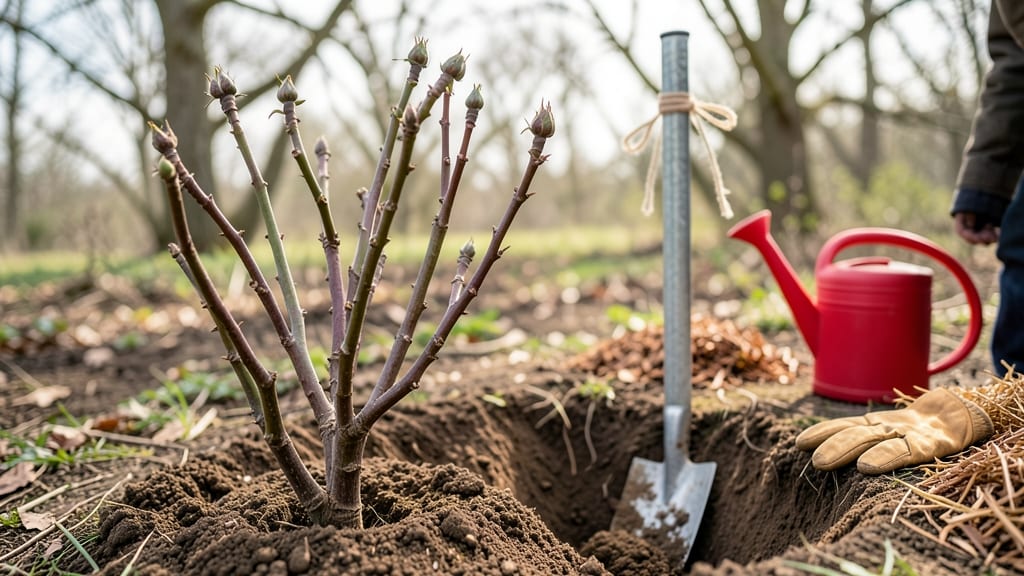
Starting rose bushes from bare root isn’t just possible—it’s the secret to disease-resistant plants that outperform nursery-bought ones. 🌹 I’ve turned my first-year struggles (and three dead bushes) into a thriving front-yard display by mastering the timing, soil prep, and a few unexpected tricks that make all the difference.
The best time to plant is when soil warms to 50°F in spring or cools to 40°F in fall—never in summer heat or winter freeze. Most beginners overlook soil drainage, but soggy roots are the #1 killer of new roses.
Amend clay soil with 3 inches of compost and sand, or use raised beds if your yard stays wet. You’ll see new green shoots within 3-4 weeks if you water deeply (1-2 inches) twice a week and avoid wetting the leaves.
Mulch with 2-3 inches of wood chips to lock in moisture and block weeds—this single step cuts my watering time in half. Works for hybrid teas, climbers, and shrub roses alike. Here’s how to do it right the first time.
📚 In This Guide
- What you need
- Instructions
- Tips and common mistakes
- Wrapping up and next steps
What you need
- ● Bare-root rose bushes: Choose 1-3 healthy, disease-free varieties (e.g., hybrid teas, floribundas, or climbers). Opt for dormant-season (fall/winter) plants for best results.
- ● Pruning shears: Sharp, clean pair (sterilize with rubbing alcohol between cuts).
- ○ Rooting hormone (optional but recommended): A gel or powder (e.g., Clonex or Rootone) to boost root growth.
- ● Well-draining potting mix: 2-3 gallons per plant (use a blend of 50% garden soil, 30% compost, 20% perlite/sand).
- ● Containers (if not planting directly): 1-2 gallon pots with drainage holes (or a raised bed).
- ● Slow-release fertilizer: 10-10-10 or rose-specific formula (follow package rates).
- ● Mulch: 2-3 inches of organic mulch (e.g., wood chips or straw) to retain moisture.
- ● Watering can or hose with gentle nozzle: Avoid blasting roots.
- ● Epsom salt: 1 tbsp per gallon of water (monthly feed for magnesium boost).
- ● Rose food (liquid): For a mid-season growth spurt (e.g., Miracle-Gro Rose & Flower Food).
- ● Copper fungicide: Prevents black spot (spray preventatively every 2-3 weeks).
- ● Trellis or support: For climbing roses (install early to avoid root disturbance).
- ● Soil tester kit: Check pH (roses thrive in 6.0–6.5; amend with lime or sulfur if needed).
Step-by-Step instructions for planting bare root rose bushes
Here's my foolproof method for getting those dormant bare root roses thriving in your garden.
🌱 Step 1: Prepare the Planting Site and Soak the Roots
Start by digging a hole that's twice as wide as the root spread but only 12 inches deep—roses hate being buried too deeply. Work the native soil loose to a depth of 12-18 inches so roots can establish easily. Mix in a handful of compost or aged manure to give them a nutrient boost right from planting.
While the hole is being prepared, soak the bare root rose in lukewarm water for 1-2 hours. You'll see the roots plump up and turn a healthy tan color—this signals they're ready to handle transplanting. Don't skip this step; dry roots struggle to establish new growth.
🪴 Step 2: Position the Rose Properly in the Hole
Place the rose in the hole so the graft union (the swollen bump near the base) sits 2-3 inches below soil level. This protects the graft from being buried too deeply, which can cause the bush to revert to wild-type growth. The roots should spread out naturally without crowding.
Fill the hole halfway with soil and water it gently to remove air pockets. You'll know you've done it right when the water drains away without pooling. This first watering helps settle the roots into place before final backfilling.
☀️ Step 3: Backfill and Water Thoroughly
Complete filling the hole with soil, pressing lightly as you go to eliminate gaps. Create a 4-6 inch wide watering basin around the base by mounding soil outward—this helps direct water straight to the roots. Water deeply until the soil is 6-8 inches down, then let it drain completely.
Mulch with 2-3 inches of organic mulch (like wood chips or straw) keeping it 4 inches away from the stem to prevent rot. The mulch will help retain moisture while protecting the roots from temperature swings. Wait until the soil is dry to touch before watering again.
✂️ Step 4: Prune and Fertilize for Strong New Growth
After planting, trim back any dead or damaged canes to just above an outward-facing bud. Live canes should be cut back to 4-5 buds from the base—this encourages a bushy shape. Remove any suckers that grow below the graft union immediately to prevent wild-type growth.
Apply a balanced rose fertilizer (like 10-10-10) at half-strength to avoid burning the newly planted roots. You'll see new growth emerge in 4-6 weeks if everything's done right. Keep the soil consistently moist but not soggy during this establishment period.
Tips & tricks for thriving bare root roses
Here's what I learned after planting dozens of bare root roses—these little details make all the difference between a bush that thrives and one that struggles.
Soaking Secret: That 1-2 hour soak in lukewarm water isn't just about hydration—it's about reviving the roots. Watch for them to turn a healthy tan color; if they stay gray, soak another 30 minutes. Pro tip: Use a bucket of water with a handful of compost tea for extra nutrients during this time.
Graft Union Protection: In Step 2, when positioning your rose, make sure that graft union stays exactly 2-3 inches below soil level. I've seen gardeners bury it too deep, which can cause the bush to revert to wild-type growth. Mark the depth with a small stake if you're unsure—better safe than sorry!
Watering Wisdom: That first watering after planting isn't just about settling the soil—it's about testing your drainage. If water pools around the base after 10 minutes, you've got poor drainage. Roses hate soggy roots, so consider amending the soil with perlite or sand if this happens.
Mulching Matters: When you add that 2-3 inches of organic mulch in Step 3, keep it 4 inches away from the stem to prevent rot. I like to use wood chips because they break down slowly, adding nutrients over time. Avoid fresh mulch—it can draw moisture away from the roots.
Pro Tips for Start Rose Bushes
- Here's what I learned after planting dozens of bare root roses—these little details make all the difference between a bush that thrives and one that struggles.
- Soaking Secret: That 1-2 hour soak in lukewarm water isn't just about hydration—it's about reviving the roots.
- Graft Union Protection: In Step 2, when positioning your rose, make sure that graft union stays exactly 2-3 inches below soil level.
Frequently asked questions
about starting rose bushes—because even the greenest thumbs deserve a little guidance! Here are answers to the most common queries to help you grow confidently.When is the best time to plant bare-root roses?
Plant bare-root roses in early spring (just before new growth starts) or late fall (before the ground freezes). Avoid summer heat, which stresses roots. If you must plant in summer, choose a cloudy day and keep the soil moist. Pro tip: Check your USDA zone—cooler climates may allow fall planting!
Can I plant roses in winter?
Winter planting is risky unless you’re in a mild climate (Zones 7-10). Frozen or waterlogged soil can stunt roots. If you must plant, use straw mulch (4–6 inches) to insulate roots and avoid disturbing them. Wait until spring thaw for best results. Warning: Never plant when temps dip below freezing.
How often should I water newly planted roses?
Water deeply 2–3 times per week for the first month, keeping soil consistently moist (not soggy). After root establishment (about 6 weeks), taper to 1 inch of water per week. Morning watering prevents fungal diseases. Pro tip: Use a soaker hose to avoid wetting leaves.
Why are my rose leaves turning yellow?
Yellow leaves often signal overwatering, nutrient deficiency, or pests. Check for:
- Overwatering: Soil should drain well; amend with compost if compacted.
- Nitrogen deficiency: Apply a balanced rose fertilizer (10-10-10) in spring.
- Pests: Inspect undersides for aphids or spider mites—treat with neem oil.
Can I grow roses from cuttings instead of bare-root?
Take 6-inch cuttings from healthy stems in summer, strip lower leaves, and dip in rooting hormone. Plant in moist perlite/sand mix, cover with a plastic bag, and keep in bright, indirect light. Roots form in 4–8 weeks. Bonus: Hybrid teas and floribundas root easily!
Wrapping up and next steps
Starting rose bushes from bare root may seem intimidating, but with the right steps, patience, and care, you’ll soon be rewarded with stunning blooms that brighten up your garden! 🌸 Remember to choose healthy roots, prepare the soil properly, and give your roses the love they need—watering, pruning, and protecting them as they grow.
Now that you’re armed with the knowledge, roll up your sleeves and get planting! 🌱 Before you know it, your garden will be bursting with color. Next, explore our guide on maintaining your rose bushes for long-term health and beauty.