
Diseases
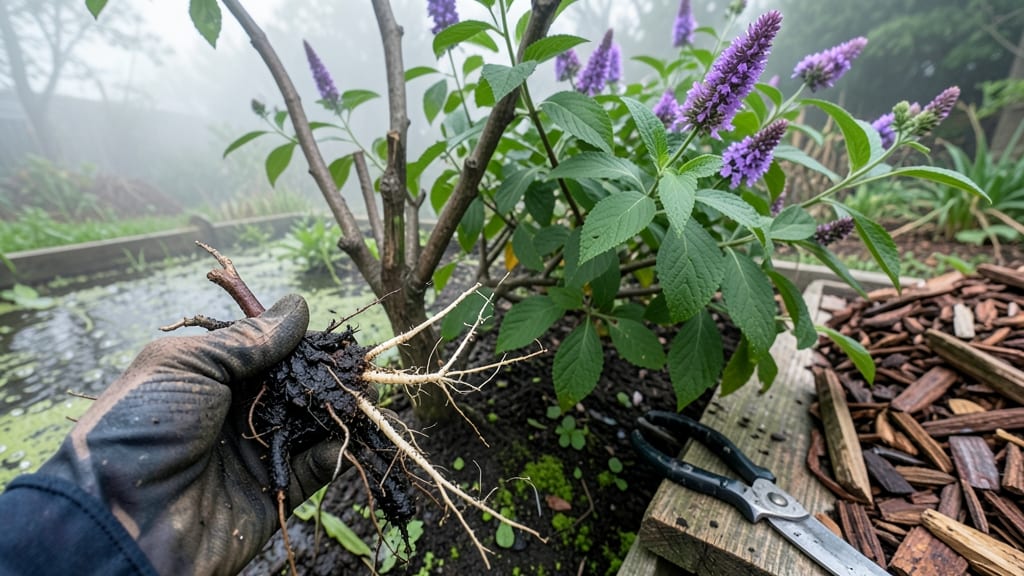
When your butterfly bush suddenly wilts despite your best care, root rot might be the culprit. 🌿 I’ve seen this happen after heavy rains or when gardeners overcompensate for dry spells—what starts as drooping leaves turns into a foul-smelling mess if ignored.
The good news? With the right steps, you can revive those roots and prevent future heartbreak.
Root rot thrives in soggy soil, where fungal pathogens feast on waterlogged roots. You’ll spot yellowing leaves, mushy stems, and a musty smell near the base—classic signs your bush is drowning.
The fix starts with pruning back affected roots, improving drainage, and adjusting your watering routine. It’s not as scary as it sounds, and most bushes bounce back within weeks.
By the time you’re done, your butterfly bush will be back to its vibrant self, attracting pollinators like crazy. The key is acting fast—once you recognize the symptoms, you’ll save time and stress down the road. Think of it as a reset button for your plant’s health.
This method works for both in-ground and container-grown bushes, so whether you’re dealing with a backyard staple or a potted variety, the principles stay the same. Let’s get those roots breathing again!
Root Rot’s Hidden Triggers
Butterfly bushes (Buddleia davidii) are hardy, drought-tolerant plants that thrive in sunny spots—but their roots are surprisingly vulnerable to a silent killer: root rot. This fungal or waterlogged soil disorder doesn’t strike randomly. Instead, it’s the result of specific environmental and cultural mistakes.
Understanding these causes is the first step to saving your plant and preventing future outbreaks. Let’s break down the real culprits behind root rot in butterfly bushes.
Root rot thrives in waterlogged soil, and butterfly bushes are particularly susceptible because their roots need oxygen to stay healthy. When soil stays soggy for too long—whether from excessive irrigation, heavy clay, or compacted ground—fungal pathogens like Phytophthora and Pythium multiply rapidly.
These microbes block oxygen uptake, suffocate roots, and trigger decay.
🔍 Why it happens:
- Excessive moisture: Butterfly bushes prefer well-draining soil and can’t tolerate "wet feet." Overwatering (especially in containers or clay-heavy soil) creates anaerobic conditions, where roots drown instead of absorbing nutrients.
- Poor soil structure: Clay or silty soils hold water like a sponge. Without organic matter (like compost or perlite), water pools around roots, inviting rot.
- Lack of drainage holes: Potted butterfly bushes are at high risk if their containers lack drainage. Even a slight water buildup at the bottom can spell disaster.
💡 Pro tip: Stick your finger 2 inches into the soil before watering. If it’s damp, wait. If it’s bone-dry, your plant may already be stressed—and overcompensating by drinking too much at once.
Root rot isn’t just about water—it’s about water + fungi. Butterfly bushes are especially prone to Phytophthora (a water mold) and Fusarium because their roots are shallow and spread widely.
These pathogens lurk in soil, mulch, or even garden tools, lying dormant until conditions become ideal: warm, wet, and stagnant.
🔍 Why it happens:
- Contaminated soil: If your butterfly bush was planted in soil from a previous infected garden bed, spores may already be present. Even store-bought potting mix can harbor fungal hitchhikers.
- Mulch piled too high: Thick mulch layers (over 3 inches) can smother roots and trap moisture, creating a fungal paradise. Organic mulch breaks down and adds moisture, while inorganic mulch (like gravel) can cause other issues.
- Weakened plants: Stressed bushes (from drought, pests, or poor nutrition) have lowered immunity, making them easy targets for fungal invaders.
✨ Prevention hack: Disinfect garden tools with a 10% bleach solution (1 part bleach to 9 parts water) between uses to avoid spreading spores. For potted plants, use sterilized soil mixes labeled "fungus-free."
Root rot doesn’t just come from too much water—temperature swings and compacted soil also play a role. Butterfly bushes struggle when their roots can’t regulate temperature or expand properly, leading to poor circulation and rot-prone conditions.
🔍 Why it happens:
- Heat stress: In hot climates, soil can bake hard, creating a crust that prevents water from draining. When you finally water, the soil repels water instead of absorbing it, leading to surface runoff and waterlogged pockets.
- Cold soil in winter: Frozen ground blocks drainage, trapping meltwater around roots. Even in mild winters, poorly amended soil can stay cold longer, slowing root recovery.
- Compacted roots: Heavy foot traffic, machinery, or planting too deep can restrict root growth, making roots more susceptible to rot when water finally reaches them.
🎯 Fix it fast: Loosen compacted soil with a garden fork (gently!) and mix in compost or sand to improve aeration. For heat stress, water deeply but infrequently to encourage roots to grow deeper, where soil stays cooler.
A butterfly bush with weak roots is like a skyscraper built on quicksand—it can’t support itself when rot sets in. Poor soil health, whether from nutrient deficiencies or excessive salts, weakens roots and makes them vulnerable to rot.
🔍 Why it happens:
- Lack of organic matter: Soil without compost or aged manure lacks microorganisms that help roots respire. Without these helpers, roots suffocate faster in wet conditions.
- Over-fertilization (especially nitrogen): Too much synthetic fertilizer can burn roots and disrupt the soil’s microbial balance, making it easier for pathogens to take hold.
- Salt buildup: In arid climates or with hard water, sodium and chloride accumulate in soil, creating a hypertonic environment that draws moisture out of roots—leaving them dehydrated and prone to rot when water finally arrives.
💪 Boost root resilience: Amend soil with well-rotted compost or a balanced organic fertilizer (like 5-5-5) to encourage strong root growth. For salty soil, flush it with rainwater or distilled water to leach out excess minerals.
Revive Your Butterfly Bush Now
Root rot in butterfly bushes (Buddleia) is a serious issue, but with the right steps, you can nurse your plant back to health—and even prevent future problems. The key is acting fast and addressing the root cause.
Below, we’ll break down practical solutions for each common trigger, from overwatering to poor drainage, plus long-term prevention tips to keep your bush thriving.
If your butterfly bush is drowning in soggy soil, it’s time to cut back on water and improve airflow.
🍳 Step 1: Stop Watering Immediately
- Let the soil dry out before watering again. Stick your finger 2-3 inches deep—if it’s damp, wait.
- Water deeply but less often—butterfly bushes prefer dry spells between waterings once established.
👨🍳 Step 2: Improve Soil Drainage
- Amend the soil with perlite, coarse sand, or gravel to break up compacted areas.
- Raise the plant slightly by adding a 1-2 inch layer of gravel under the root zone (if in a container) or mounding soil (if in-ground).
- Consider a raised bed if your garden has heavy clay—this prevents water pooling.
🥘 Step 3: Prune Affected Roots (If Severe)
- Carefully dig up the bush (if possible) and trim black, mushy roots with sterilized shears.
- Replant in fresh, well-draining soil with a mycorrhizal fungus (helps roots absorb water better).
💡 Pro Tip: If your bush is in a container, drill drainage holes if missing and use a pot with saucer to catch excess water.
Root rot thrives in wet, fungal-friendly conditions. Here’s how to starve the fungus and restore balance.
🔪 Step 1: Apply Fungicide (If Needed)
- Use a copper-based fungicide or hydrogen peroxide (3%) to spray roots before replanting.
- Avoid chemical fungicides if replanting—opt for organic solutions like neem oil or baking soda spray (1 tbsp baking soda + 1 quart water).
🎯 Step 2: Boost Soil Aeration
- Aerate compacted soil with a garden fork to improve oxygen flow.
- Mulch lightly (1-2 inches) with orchid bark or straw—never wet mulch, as it traps moisture.
✨ Step 3: Adjust Watering Practices
- Water in the morning so foliage dries quickly.
- Avoid overhead watering—use drip irrigation or a soaker hose at the base.
💡 Pro Tip: Companion planting with garlic, marigolds, or thyme can naturally deter fungi.
Once your butterfly bush recovers, keep these habits to avoid a relapse.
| Problem | Prevention Fix | How to Do It |
|---|---|---|
| Overwatering | Water only when top 1-2 inches are dry | Use a moisture meter for accuracy. |
| Poor Drainage | Test soil drainage with a percolation test | Dig a 6-inch hole, fill with water—if it drains in <1 hour, soil is good. |
| Compacted Soil | Add organic matter annually | Mix in compost or aged manure every spring. |
| Fungal Spread | Rotate crops if replanting in the same spot | Wait 2-3 years before replanting butterfly bushes in the same area. |
💡 Pro Tip: Choose the right location—butterfly bushes hate soggy spots. Pick a sunny, slightly elevated area with fast-draining soil.
Final Thought: Recovery takes time, but with proper care, your butterfly bush can bounce back stronger. Monitor soil moisture, prune dead roots, and adjust habits—soon, you’ll have a vibrant, healthy bush blooming again! 🌸
Frequently asked questions
My butterfly bush leaves are yellowing—could it be root rot?
Yellowing leaves are a classic sign, but check for other clues too! Root rot often comes with mushy stems, a musty smell at the base, and leaves that wilt even when soil is wet. If your bush also feels lightweight when lifted (roots should be firm), root rot is likely the culprit.
Will my butterfly bush survive if I don’t treat root rot immediately?
Probably not long-term—but you might buy a few weeks with luck. Root rot spreads fast, especially in warm, wet conditions. Without treatment, your bush will gradually decline, stop flowering, and eventually die. The good news? Many gardeners revive bushes within 4-6 weeks of proper care.
Can I save a butterfly bush with severe root rot?
It depends on how much damage has been done! If more than 50% of roots are black/mushy, recovery is unlikely. For less severe cases, prune all affected roots, replant in fresh soil, and adjust watering. Start with a smaller pot if container-grown to prevent future drainage issues.
How often should I water a butterfly bush after treating root rot?
Let the soil dry completely between waterings—aim for once every 7-10 days in summer (more in winter). Use your finger as a guide: if the top 2 inches feel dry, it's time. Morning watering prevents fungal regrowth, and drip irrigation keeps leaves dry.
What’s the best soil mix to prevent root rot in butterfly bushes?
A 50/50 blend of native soil and compost works well, but add 20% perlite or coarse sand for extra drainage. For containers, use a lightweight potting mix labeled "well-draining" and add orchid bark for aeration. Avoid heavy garden soil—it compacts easily.