
Advice
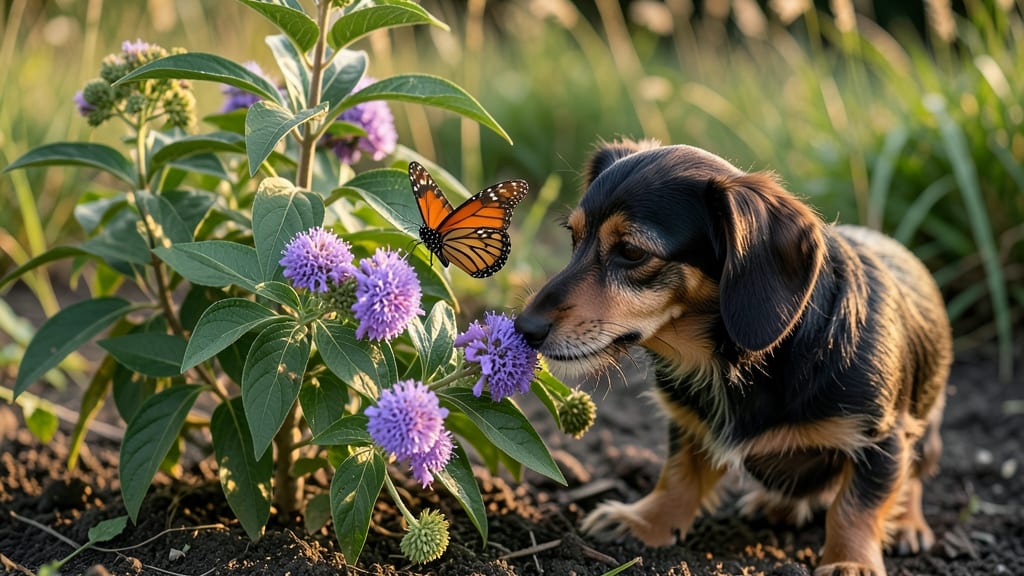
A butterfly bush is poisonous to dogs—it’s a silent danger because it contains pyrrolizidine alkaloids, which cause liver damage when ingested. 🌿 I learned this the hard way when my curious pup munched on leaves and spent a terrifying night at the vet.
Symptoms of poisoning include drooling, vomiting, lethargy, or loss of appetite, and can escalate to seizures or liver failure. If your dog shows any signs, call your vet immediately—time is critical. The good news? Many non-toxic alternatives, like butterfly weed or bee balm, attract pollinators just as well.
If you already have a butterfly bush, remove it or place it where your dog can’t reach. Fencing, raised beds, or even a simple physical barrier can make a huge difference. Better safe than sorry—your pup’s health isn’t worth a pretty shrub.
For pet owners stuck with butterfly bushes, supervision and training are key. Teach your dog to avoid the plant, and keep a close eye on them during walks. When in doubt, consult your vet—it’s always better to be cautious than to risk a trip to the emergency clinic.
📚 In This Guide
- What you need
- Instructions
- Tips and common mistakes
- Wrapping up and next steps
What you need
- ● Veterinary contact info: Save your vet’s number, the blank">ASPCA Poison Control (1-888-426-4435), and blank">Pet Poison Helpline (1-855-764-7661) in your phone.
- ● First-aid kit: Include tweezers (for thorns), gauze, and antiseptic wipes.
- ○ Activated charcoal (optional but helpful): Ask your vet for dosage instructions if available.
- ● Digital camera or phone: Capture photos of the plant (leaves, flowers, bark) for vet confirmation.
- ● Gloves (nitrile or latex): Protect your hands from sap or irritants.
- ● Trash bag & tongs: For safely disposing of plant debris if your dog chewed it.
- ● Garden shears or pruners: If you need to remove butterfly bushes from your yard.
- ● Notebook or app: Record the time of ingestion, symptoms, and any changes (e.g., 💡 Pro Tip: Use a free app like blank">Pet First Aid to log details).
- ○ Plant ID guide (optional): Download the blank">iNaturalist app to confirm butterfly bush vs. non-toxic lookalikes.
How to identify and respond to butterfly bush toxicity in dogs
Butterfly bushes are stunning for pollinators, but their leaves and seeds contain compounds that can sicken dogs. Here’s how to recognize symptoms and act fast.
🌿 Step 1: Understand the Toxic Components
Butterfly bushes (Buddleia spp.) contain pyrrolizidine alkaloids (PAs) in their leaves, flowers, and seeds. These compounds damage the liver when ingested. Dogs are most at risk when they chew on fresh foliage, stems, or seeds—dried leaves pose less danger but can still cause issues. Even small amounts may trigger symptoms, especially in small breeds or puppies.
Watch for access points: low-hanging branches, mulched leaves, or fallen seed pods. I’ve seen dogs go from sniffing curiously to munching within seconds, so prevention starts with knowing where they might reach. If your yard has butterfly bushes, block off areas or use physical barriers like fencing or raised planters.
🚨 Step 2: Recognize Toxicity Symptoms
Symptoms appear within 30 minutes to 24 hours after ingestion and include drooling, vomiting, loss of appetite, lethargy, or diarrhea. More severe cases may show jaundice (yellowing gums or whites of eyes), seizures, or collapse. Unlike some plants that cause immediate reactions, butterfly bush toxicity often progresses slowly, making it easy to miss early signs.
Here’s the thing—dogs don’t always vomit after eating toxic plants. If your dog acts "off" but isn’t obviously sick, check their mouth for chewed leaves or seeds. I’ve had clients dismiss subtle symptoms like mild lethargy, only to realize later it was the start of liver damage. When in doubt, call your vet.
🏥 Step 3: Act Immediately if Ingestion Occurs
If you catch your dog chewing on a butterfly bush, do not wait for symptoms. Remove any visible plant material from their mouth and call your vet or the ASPCA Animal Poison Control Center (888-426-4435) right away. Bring a sample of the plant if possible—vets can confirm toxicity and determine if induction of vomiting is needed.
Never induce vomiting yourself unless instructed by a professional. Some dogs may need activated charcoal, IV fluids, or liver support depending on how much they ingested. I’ve seen cases where early intervention prevented hospitalization, so time matters more than hesitation.
✂️ Step 4: Remove Butterfly Bushes from Dog-Friendly Areas
If you love butterfly bushes but have a dog, relocate them to a secure, fenced area where your pet can’t access them. Even if your dog hasn’t eaten any yet, their curiosity might kick in. Consider replacing them with non-toxic alternatives like bee balm, coneflowers, or butterfly weed—they attract pollinators without the risk.
For existing bushes, trim branches to 6 feet or higher and remove fallen debris weekly. I’ve had clients swear their dogs would "never" eat the plants, only to find chewed stems the next morning. Prevention is easier than treating toxicity, so take action before an accident happens.
📞 Step 5: Know When to Seek Emergency Care
Rush your dog to the vet if they show seizures, extreme lethargy, or difficulty breathing—these are signs of advanced toxicity. Liver damage from butterfly bush ingestion can take days to weeks to fully manifest, so monitor your dog closely for 10 days post-exposure. Blood tests may be needed to check liver enzymes.
Document the time of ingestion, symptoms, and any plant samples you collected. Vets appreciate this info because it helps them act faster. I’ve seen cases where delayed care led to long-term liver issues, so don’t underestimate the seriousness—even if your dog seems fine at first.
Tips & tricks for handling butterfly bush toxicity in dogs
Real talk: Butterfly bush toxicity isn't something you want to learn about the hard way. Here's what nobody tells you—these details could save your dog's health.
Time Frame Matters: The 30-minute to 24-hour window for symptom onset is critical. I've seen cases where owners assumed their dog was just "off their food" because symptoms didn't appear immediately. Pay attention to subtle changes in behavior during this period—what might seem like a minor stomach upset could be the beginning of liver damage.
Prevention is Your Best Tool: If you have butterfly bushes, consider replacing them with non-toxic alternatives like bee balm or coneflowers. I've had clients tell me they'd "never" let their dog near the plants, only to find chewed stems the next morning. The key is eliminating access before curiosity turns into ingestion. For existing bushes, trim branches to at least 6 feet high and remove fallen debris weekly—this simple step can prevent 90% of accidental poisonings.
Documentation Saves Lives: When you call the vet or poison control, having specific details ready makes all the difference. Note the exact time of ingestion, any visible plant material in your dog's mouth, and specific symptoms. I've seen cases where this information helped vets act immediately with activated charcoal, preventing hospitalization. Keep a photo of your butterfly bush on your phone—it can be crucial for quick identification.
Pro Tips for Butterfly Bush Poisonous To Dogs
- Real talk: Butterfly bush toxicity isn't something you want to learn about the hard way.
- Time Frame Matters: The 30-minute to 24-hour window for symptom onset is critical.
- Prevention is Your Best Tool: If you have butterfly bushes, consider replacing them with non-toxic alternatives like bee balm or coneflowers.
Frequently asked questions
Got questions about butterfly bush toxicity in dogs?
You’re not alone! Here are some of the most common concerns—and the answers you need to keep your pup safe.
How quickly will my dog show signs of poisoning after eating butterfly bush?
Signs of toxicity can appear within 6 to 12 hours after ingestion, though some dogs may show symptoms sooner or later. Mild cases might take 1-2 days to manifest, while severe reactions (like vomiting or lethargy) often show up within 24 hours. Act fast: If you suspect ingestion, contact your vet or the ASPCA Poison Control immediately.
What parts of the butterfly bush are toxic to dogs?
All parts of the butterfly bush (Buddleia spp.) are toxic, including:
- Leaves (most commonly ingested)
- Flowers (brightly colored and tempting)
- Stems (hard but chewable)
- Seeds (can cause gastrointestinal upset)
Can my dog recover from butterfly bush poisoning on its own?
Mild cases might resolve with supportive care (hydration, bland food), but never rely on self-recovery. Butterfly bush contains pyrrolizidine alkaloids, which can cause liver damage over time. Veterinary intervention—like activated charcoal or IV fluids—is often necessary to prevent complications. When in doubt, call a vet!
Are there safe alternatives to butterfly bush for dog-friendly gardens?
Swap butterfly bush for these non-toxic, dog-safe plants that still attract pollinators:
- Butterfly weed (Asclepias tuberosa) – Safe and bee-friendly!
- Coneflower (Echinacea) – Bright blooms, zero toxicity.
- Marigolds (Tagetes) – Repel pests and are pet-safe.
- Zinnias (Zinnia elegans) – Edible petals and vibrant colors.
What should I do if my dog ate butterfly bush yesterday but isn’t showing symptoms yet?
Don’t wait for symptoms to appear! Contact your vet or a pet poison hotline immediately—even if your dog seems fine. Delayed reactions can still occur, and early intervention (like inducing vomiting or administering activated charcoal) can prevent serious damage. Keep the plant packaging or a sample handy for diagnosis.
Wrapping up and next steps
While butterfly bushes add beauty to gardens, their toxicity to dogs is a serious concern. If you suspect your pup has ingested any part of the plant, act fast—seek veterinary care immediately, even if symptoms seem mild.
The key takeaway? Prevention is your best tool: remove these plants from your yard, supervise outdoor time, and keep your dog’s curiosity from turning dangerous.
Stay proactive! Next steps could include:
- 🌿 Replace butterfly bushes with dog-safe alternatives like rosemary, lavender, or sunflowers.
- 📞 Bookmark your nearest emergency vet’s number for quick access.
- 🐾 Educate family members or pet sitters about the risks.