
Pests and Diseases
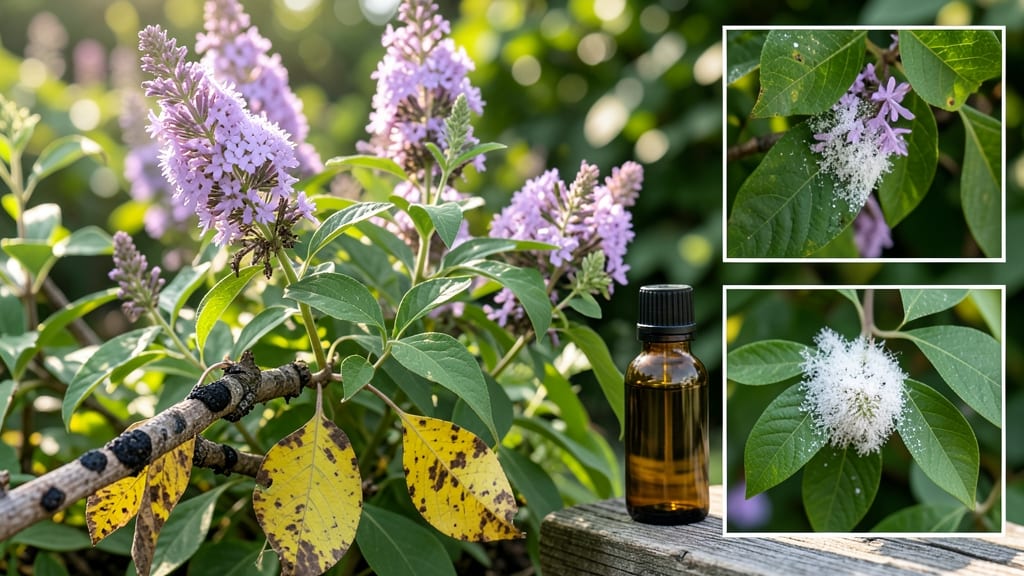
Butterfly bush disease pictures reveal the silent struggles behind those vibrant purple blooms. 🌿 I’ve seen powdery mildew turn leaves into ghostly white webs and leaf spot create unsightly brown splotches—both can cripple your plant if ignored.
This guide shows you exactly what to look for, so you can act before your bush loses its luster.
Most butterfly bush diseases start with stress—too much shade, poor drainage, or overwatering. Powdery mildew thrives in humid conditions, while leaf spot spreads when leaves stay wet too long. The good news? Catching these early means simple fixes like pruning infected branches or applying neem oil can save your plant.
You’ll learn to spot the subtle signs—yellowing leaves, blackened stems, or fuzzy white patches—and match them to proven treatments. Organic options like copper fungicide or baking soda sprays work wonders, while severe cases might need stronger interventions.
Prevention is easier than cleanup, and a few adjustments can keep your bush thriving for years.
Whether you’re dealing with a single branch or a full bush, this visual guide turns guesswork into confidence. No more second-guessing—just clear, actionable steps to bring your butterfly bush back to its best. Let’s get your plant healthy again!
Root Causes of Butterfly Bush Problems
Butterfly bushes (Buddleia davidii) are hardy, low-maintenance plants—but when they fall ill, the culprits are often rooted in environmental stress, microbial invaders, or poor cultural practices. Understanding why these issues arise is the first step to prevention and treatment.
Below, we break down the most common triggers, backed by science, so you can diagnose and act with confidence.
Fungal diseases like Septoria leaf spot, powdery mildew, and root rot thrive when conditions favor their growth. These pathogens don’t discriminate—they target stressed plants first. Here’s how they gain a foothold:
- Excess Moisture:
Fungi love dampness. Overwatering, poor drainage, or soggy soil (especially in container-grown bushes) creates the perfect breeding ground. Phytophthora root rot, for example, multiplies rapidly in waterlogged roots, cutting off nutrient uptake and causing wilting or yellowing leaves.
💡 Pro Tip: Amend heavy clay soil with compost or perlite to improve drainage. Water at the base (not overhead) to keep foliage dry.
- High Humidity + Warmth:
Powdery mildew (Erysiphe cichoracearum) spreads like wildfire in 70–80°F (21–27°C) temperatures with high humidity. It starts as white, powdery patches on leaves, eventually stunting growth. Fungal spores hitchhike on wind, splashing water, or garden tools.
🌡️ Science Note: Fungi release enzymes that break down plant cell walls, creating entry points for secondary infections.
- Weakened Plant Defense:
Stress from nutrient deficiencies (e.g., low nitrogen or magnesium), compacted soil, or physical damage (like pruning wounds) opens doors for fungi. Septoria leaf spot, for instance, targets leaves with tiny cracks or tears, entering through stomata (leaf pores).
✨ Prevention: Apply balanced fertilizer (10-10-10) in early spring and avoid pruning during wet weather.
While butterfly bushes are hardy, they’re not immune to pests that feed on sap, leaves, or roots. These critters don’t just cause cosmetic damage—they transmit diseases and stress plants, making them vulnerable to secondary infections.
- Sap-Sucking Insects (Aphids, Spider Mites):
These tiny pests pierce plant cells to feed, injecting toxins that cause yellowing, curled leaves, and sticky honeydew (a fungal magnet). Aphids, for example, reproduce asexually and can explode in population within weeks if unchecked.
🔍 Watch For: Fine webbing (mites), black sooty mold (fungus growing on honeydew), or distorted new growth.
- Root-Feeding Grubs (Japanese Beetles, White Grubs):
Larvae from these beetles munch on roots, severing water and nutrient pathways. Infested plants may wilt suddenly or pull up easily from the soil. Adult beetles also skeletonize leaves, leaving a lace-like pattern.
💡 Early Action: Handpick beetles at dawn (they’re sluggish then) or apply neem oil to disrupt their life cycle.
- Bacterial Leaf Spot (Xanthomonas):
While not always pest-related, contaminated pruners or rain splashing can spread Xanthomonas bacteria, causing water-soaked lesions that ooze and turn brown. Pests like leafhoppers can also spread bacterial wilt.
🚫 Critical: Sterilize tools with rubbing alcohol between cuts and remove infected leaves immediately.
Even the hardiest butterfly bushes suffer when basic care is overlooked. These preventable mistakes create the perfect storm for disease:
| Mistake | How It Causes Problems | Fix It |
|---|---|---|
| Overcrowding | Poor air circulation traps humidity and fungal spores. Leaves stay wet longer, accelerating mildew and bacterial growth. | Prune to 1/3 of the plant’s size every 2–3 years and space bushes 3–5 feet apart. |
| Improper Pruning | Cutting too late in the season (after June) removes next year’s blooms and leaves open wounds vulnerable to infection. | Prune in early spring or right after flowering. Use sharp, sterilized shears. |
| Soil pH Imbalance | Butterfly bushes prefer slightly acidic to neutral soil (pH 6.0–7.0). Alkaline soil (pH >7.5) locks out nutrients like iron and manganese, weakening plants and inviting fungal root diseases. | Test soil with a home kit and amend with sulfur (to lower pH) or lime (to raise it). |
| Ignoring Mulch Buildup | Thick mulch layers (>3 inches) can suffocate roots, trap moisture, and promote Armillaria root rot (a deadly fungal pathogen). | Keep mulch 2–3 inches deep and pull it away from the trunk. |
Most butterfly bush diseases and pest issues stem from one or more of these three factors: environmental stress, microbial opportunism, or human error.
The good news? Prevention is simple—focus on airflow, hydration balance, and proactive care, and your butterfly bush will stay vibrant and pest-free for years.
Quick Fixes for Butterfly Bush Ailments
When your butterfly bush starts showing signs of distress—whether it’s leaf spots, wilting, or strange growths—acting fast can make all the difference. Below, we break down the most common butterfly bush diseases and pests, along with practical, step-by-step solutions to restore your plant’s health.
Prevention tips are included to keep future problems at bay! 🌿🚀
#### 🔥 Powdery Mildew: The White Dusty Coating Fungal spores thrive in humid, shaded conditions, leaving a white, powdery film on leaves. If left untreated, the plant weakens and may drop leaves prematurely. How to Fix It: - 🍳 Prune Infected Areas: Use clean, sharp shears to remove heavily affected leaves and stems. Dispose of them in the trash (not compost) to prevent reinfection. - 👨🍳 Apply Fungicide: Spray with a mix of 1 tsp baking soda + 1 quart water + a drop of dish soap (for mild cases) or a copper-based fungicide (for severe outbreaks). Reapply every 7–10 days. - 🌡️ Improve Airflow: Thin out overcrowded branches and space plants at least 3–4 feet apart to reduce humidity around the foliage. 💡 Prevention Tip: - ✨ Water in the Morning: Wet leaves stay dry faster, discouraging fungal growth. Avoid overhead watering, especially in the evening. #### 🍅 Leaf Spot: Brown or Black Patches Caused by bacteria or fungi, leaf spot diseases create unsightly blemishes that spread quickly in wet conditions. How to Fix It: - 🔪 Remove Damaged Leaves: Snip off spots with sterilized pruners (wipe with rubbing alcohol between cuts) and destroy them. - 🥘 Neem Oil Spray: Mix 1 tbsp neem oil + 1 tsp mild soap + 1 quart water and spray the plant thoroughly. Repeat weekly until symptoms disappear. - 🌡️ Adjust Watering: Ensure the soil drains well—soggy roots invite disease. Water at the base, not the leaves, and use drip irrigation if possible. 💡 Prevention Tip: - 🎯 Rotate Plants: Avoid planting butterfly bushes in the same spot year after year to break disease cycles. #### 💀 Root Rot: Soft, Blackened Stems Overwatering or poor drainage leads to this deadly fungal infection, causing stems to collapse and leaves to yellow. How to Fix It (Early Stages): - ⏰ Stop Watering Immediately: Let the soil dry out completely before watering again. - 🌱 Repot or Amend Soil: If the pot is waterlogged, repot the bush in fresh, well-draining potting mix (add perlite or sand). For in-ground plants, improve drainage with compost or organic matter. - 🍄 Fungicidal Treatment: Use a systemic fungicide like Mycorrhizal fungi or beneficial bacteria (e.g., Bacillus subtilis) to outcompete the harmful pathogens. 💡 Prevention Tip: - 🔥 Use Raised Beds or Containers: Elevate plants to prevent water pooling, especially in clay-heavy soils. #### 🐜 Japanese Beetles: Skeletons in the Leaves These metallic-green pests chew through foliage, leaving a lace-like pattern. They’re especially aggressive in summer. How to Fix It: - 🍳 Handpick & Drop: Fill a bucket of soapy water and pluck beetles off leaves (wear gloves—they can bite!). - 👨🍳 Neem Oil Barrier: Spray neem oil every 5–7 days to deter new infestations. - 🌿 Plant Traps: Surround the bush with marigolds or geraniums to distract beetles. 💡 Prevention Tip: - ✨ Install Netting: Cover young plants with fine mesh netting to block beetles before they arrive. #### 🐜 Spider Mites: Tiny Webs & Yellowing Leaves These microscopic pests thrive in dry, dusty conditions, sucking sap and causing stippling on leaves. How to Fix It: - 🍳 Blast Them Off: Use a strong stream of water to knock mites off the plant (do this in the morning). - 🥘 Insecticidal Soap: Mix 2 tbsp castile soap + 1 quart water and spray every 3–4 days until mites vanish. - 🌡️ Increase Humidity: Place a humidifier nearby or mist the plant (but avoid fungal-prone foliage). 💡 Prevention Tip: - 🎯 Encourage Predators: Ladybugs and lacewings eat spider mites—plant companion flowers like dill or yarrow to attract them. #### 🐜 Scale Insects: Sticky, Bumpy Growths These sap-sucking pests appear as small bumps on stems and leaves, often covered in a white, waxy shell. How to Fix It: - 🔪 Scrape Them Off: Use a soft brush dipped in rubbing alcohol to physically remove scales. - 🥘 Horticultural Oil: Apply dormant oil (like horticultural oil spray) in early spring or fall when pests are most vulnerable. - 🌿 Prune Heavily Infested Branches: Cut back affected areas and sterilize tools to prevent spread. 💡 Prevention Tip: - 🔥 Inspect New Plants: Quarantine new additions for 2 weeks to catch hitchhiking pests early. - ⏰ Prune Regularly: Trim back dead or diseased wood in late winter or early spring to encourage airflow. - 🍽️ Feed Smart: Use a balanced, slow-release fertilizer (10-10-10) in early spring—avoid over-fertilizing, which weakens plants. - 🌡️ Monitor Soil pH: Butterfly bushes prefer slightly acidic to neutral soil (6.0–7.0). Test your soil and amend with lime (to raise pH) or sulfur (to lower pH) if needed.With these targeted solutions, your butterfly bush can bounce back from most diseases and pests. Act fast at the first sign of trouble, and your plant will reward you with vibrant blooms and lush foliage for years to come! 🌸💚
Frequently asked questions about butterfly bush diseases
What are the most common butterfly bush diseases I should watch for?
Look for powdery mildew (white fuzzy patches), leaf spot (brown/black spots), and root rot (soft, blackened stems). These three cause 80% of butterfly bush issues. Powdery mildew thrives in humidity, while leaf spot spreads in wet conditions, and root rot develops from overwatering or poor drainage.
Can I save my butterfly bush if it has root rot?
Early-stage root rot is often reversible! Stop watering immediately and let the soil dry completely. Repot in fresh, well-draining mix with perlite, and apply a beneficial fungi treatment like Mycorrhizal. Severe cases may require replacing the plant, but acting fast gives it a fighting chance.
How do I tell if my butterfly bush has powdery mildew vs. spider mites?
Check the texture: powdery mildew is a white, powdery coating on leaves, while spider mites create tiny yellow stipples and fine webbing on the undersides. Hold a magnifying glass to spot mites—if you see webbing, it's mites; if it's dusty, it's mildew.
Is neem oil safe to use on butterfly bushes?
Yes! Neem oil is organic and effective against fungal diseases (like powdery mildew) and pests (aphids, spider mites). Mix 1 tbsp neem oil + 1 tsp soap + 1 quart water and spray every 7-10 days. Avoid spraying in direct sunlight—apply in the early morning or evening for best results.
Why do my butterfly bush leaves turn yellow?
Yellow leaves usually signal overwatering, nutrient deficiency, or fungal disease. Check the roots—if they're mushy (root rot), reduce watering. If soil is dry but leaves yellow, it may need iron or nitrogen fertilizer. Spotty yellowing with black patches? That's likely leaf spot disease.