
Pruning
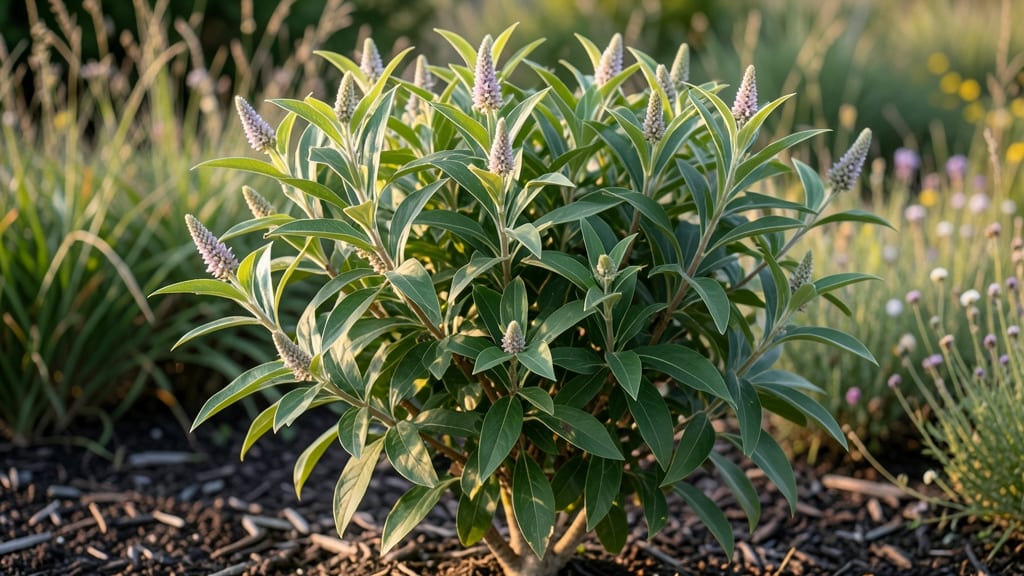
Butterfly bush leaf identification is the first step to pruning like a pro—those lance-shaped leaves with serrated edges are your secret weapon. 🌿 I’ve spent years studying how to tell them apart from lookalikes like lilacs or privet, and the key is in the details: the smooth, slightly fuzzy surface, the way they grow opposite each other along the stems, and their deep green hue that stays vibrant even in winter. One wrong cut can turn your bush into a tangled mess, but with this guide, you’ll spot the real deal in seconds.
Most mistakes happen when you confuse butterfly bush leaves with similar shrubs—like the broader, smoother leaves of lilacs or the glossy, pointed leaves of privet. Pay attention to the vein pattern: butterfly bush leaves have subtle, parallel veins that run lengthwise, while lilacs have more pronounced, branching veins.
If your leaves are grayish-green or have a waxy texture, you’re probably dealing with something else entirely. Once you’ve confirmed it’s Buddleia, you’re ready to prune with confidence.
Correct identification means pruning at the right time—right after blooming, when the stems are still green but the flowers have faded. You’ll see new growth within weeks, and your bush will reward you with longer, bushier stems next season.
The leaves themselves are tough and disease-resistant, but if you spot yellowing, black spots, or holes, that’s a sign of pests or fungal issues we’ll tackle next.
This quick guide cuts through the confusion so you can focus on what matters: shaping your bush for maximum blooms and healthy growth. Whether you’re dealing with a mature plant or a young sapling, these leaf ID tips will save you time—and your sanity—during pruning season.
Let’s get those shears ready!
Understanding Leaf Changes in Butterfly Bush
Butterfly bushes (Buddleja davidii) are prized for their vibrant blooms and ability to attract pollinators, but their leaves can sometimes tell a story of trouble—whether it’s disease, pests, or environmental stress.
If you’ve noticed unusual markings, discoloration, or deformities on your butterfly bush foliage, understanding the root causes is key to restoring its health. Below, we break down the most common reasons why butterfly bush leaves might look off, along with actionable science-backed explanations.
Butterfly bushes are hardy, but they’re not immune to environmental extremes. When leaves show signs of stress—such as scorch, yellowing, or wilting—the culprit is often temperature fluctuations, improper watering, or soil conditions.
- Heat or Drought Stress: Butterfly bushes thrive in full sun but can suffer from leaf scorch (brown, crispy edges) when temperatures soar above 90°F (32°C) without adequate moisture. This happens because transpiration rates exceed water uptake, causing cellular dehydration. Action: Water deeply 1–2 times per week (more in extreme heat) and mulch to retain soil moisture. Avoid overhead watering, which can promote fungal issues.
- Cold Damage: While cold-hardy (USDA Zones 5–9), butterfly bushes may develop purple or blackened leaves after hard freezes (<32°F/0°C). Cold snaps disrupt cell membrane integrity, leading to oxidative damage. Action: Plant in sheltered locations, protect young plants with burlap wraps in winter, and avoid overwatering before frost (wet soil conducts cold better).
- Over- or Underwatering: Yellowing leaves (chlorosis) often signal overwatering, which suffocates roots by reducing oxygen availability in anaerobic soil. Conversely, drooping, gray-green leaves indicate underwatering, where the plant can’t maintain turgor pressure. Action: Ensure well-draining soil (amend with perlite or sand if needed) and water only when the top 1–2 inches of soil are dry.
Butterfly bush leaves are a buffet for pests, which leave behind distinct visual clues. If you spot holes, sticky residue, or tiny webs, insects are likely the culprits.
- Spider Mites: These microscopic pests thrive in dry, hot conditions and pierce leaf cells to extract sap, causing stippling (tiny white/yellow dots) and webbing. Severe infestations lead to bronzing or leaf drop. Action: Blast leaves with water to dislodge mites, introduce predatory mites (like Phytoseiulus persimilis), or apply neem oil (mix 1 tbsp/quart of water).
- Aphids and Scale Insects: Aphids cluster on new growth, excreting sticky honeydew that attracts sooty mold. Scale insects (armored or soft) attach to leaf undersides, sucking sap and causing yellowing or curled leaves. Action: Spray with insecticidal soap (1–2 tbsp per gallon of water) or introduce ladybugs. For scale, scrape off visible insects with a stiff brush.
- Caterpillars and Leaf Miners: Ragged holes or serpentine tunnels in leaves? Caterpillars (like buddleia looper) or leaf miners (larvae of flies) are likely feeding. Leaf miners burrow between leaf layers, creating blistered, translucent trails. Action: Handpick caterpillars or use Bt (Bacillus thuringiensis) spray for organic control. For miners, prune and destroy heavily infested leaves.
Fungal and bacterial pathogens often go unnoticed until leaves develop spots, lesions, or unusual patterns. These microbes exploit weak spots—like wounds or stressed foliage—to invade.
- Powdery Mildew: A white, powdery coating on leaves is classic powdery mildew, caused by Erysiphe cichoracearum. This fungus thrives in humid, shaded conditions and blocks sunlight, leading to yellowing and leaf drop. Action: Improve airflow by pruning dense growth, water at the base (not leaves), and apply baking soda spray (1 tbsp baking soda + 1 tsp soap per gallon of water).
- Leaf Spot Diseases (e.g., Septoria or Anthracnose):strong> Dark, circular spots with yellow halos signal fungal leaf spots. These pathogens enter through stomata or wounds, thriving in wet foliage. Action: Remove infected leaves immediately, avoid overhead watering, and apply copper fungicide preventatively in spring.
- Bacterial Leaf Spot: Greasy, water-soaked spots that ooze when wet? This is likely Xanthomonas or Pseudomonas bacteria. Unlike fungi, bacteria spread via water splashes and can’t be cured—only managed. Action: Prune infected branches below the spot, sterilize tools with 70% alcohol, and reduce irrigation to prevent spread.
Pro Tip: 🔍 Always examine leaves on both sides—pest eggs, fungal spores, or early bacterial lesions often hide on the undersides! Use a magnifying glass for close-ups if needed.
Quick fixes for butterfly bush leaf issues
If your butterfly bush (Buddleia spp.) is showing signs of stress or disease through its leaves, don’t panic—most problems have straightforward solutions. Below, we’ve mapped common leaf issues to their fixes, from quick remedies to long-term prevention. Follow these steps to restore your bush’s health and keep it thriving.
Cause: Yellowing leaves often signal nitrogen deficiency, iron chlorosis, or root rot from overwatering. Fix It:
- Test your soil (💡 Pro tip: Use a DIY soil test kit or send a sample to your local extension office for accuracy).
- Amend the soil with compost or a balanced fertilizer (10-10-10) if nitrogen is low. For iron deficiency, apply chelated iron or use a sulfur-based supplement.
- Adjust watering habits: Butterfly bushes prefer well-draining soil. Water deeply but infrequently—only when the top 1–2 inches of soil are dry. Improve drainage by adding organic matter or raising the planting bed slightly.
Prevent it:
- Mulch around the base (2–3 inches of wood chips or straw) to retain moisture and regulate soil temperature.
- Avoid compacted soil—plant in loose, aerated areas.
Cause: Brown, dry leaf edges are usually a sign of underwatering, high salt buildup, or exposure to harsh winds/sun. Fix It:
- Water deeply 1–2 times per week (adjust based on climate—more in heat, less in rain).
- Mist leaves lightly in extreme heat or dry conditions to reduce transpiration stress.
- Move or shield the bush from direct afternoon sun or strong winds if possible. Use shade cloth (30–50%) for temporary relief.
Prevent it:
- Group butterfly bushes with other plants to create a microclimate that retains humidity.
- Water in the early morning to minimize evaporation.
Cause: Deep purple or red leaves often indicate phosphorus deficiency or exposure to cold temperatures. Fix It:
- Apply a phosphorus-rich fertilizer (like bone meal or a 5-10-10 formula) in early spring.
- Mulch heavily (4–6 inches) with straw or leaves to insulate roots from cold snaps.
- Avoid late-season pruning—wait until early spring to prevent stress from winter cold.
Prevent it:
- Plant butterfly bushes in a location sheltered from late fall frosts.
- Choose cold-hardy varieties (e.g., Buddleia davidii ‘Lo & Behold’ for zones 5–9).
Cause: Fungal infections thrive in humid, shaded conditions and appear as white powdery patches or dark spots. Fix It:
- Prune infected leaves immediately (🔪 Safety first: Wear gloves and dispose of clippings in the trash, not the compost).
- Apply fungicide: Use a copper-based spray or neem oil (follow label instructions) every 7–10 days until the issue resolves.
- Improve airflow by thinning dense foliage or spacing plants 3–5 feet apart.
Prevent it:
- Water at the base (avoid overhead sprinkling) to keep leaves dry.
- Space plants for sunlight penetration—fungi love shade and dampness.
Cause: Ragged edges or skeletonized leaves mean pests are feasting on your bush. Fix It:
- Handpick large pests (like Japanese beetles) in the early morning and drop them in soapy water.
- Spray with insecticidal soap or neem oil for spider mites and caterpillars. Repeat every 3–5 days.
- Introduce beneficial insects (ladybugs or lacewings) to control populations naturally.
Prevent it:
- Encourage biodiversity in your garden—native plants attract predator insects that eat pests.
- Remove debris around the base to eliminate hiding spots for pests.
💡 Bonus Tip: Always prune butterfly bushes in early spring (before new growth) to remove weak or diseased stems. This promotes airflow and reduces future issues.
With these targeted fixes, your butterfly bush should bounce back in no time—ready to burst into bloom and attract pollinators! For persistent problems, consult a local arborist or extension service for tailored advice.
Frequently asked questions
How can I tell if I have a butterfly bush (Buddleia) versus a lilac or privet?
Butterfly bush leaves are lance-shaped with serrated edges and grow in opposite pairs along the stem. Lilac leaves are broader with smooth edges, while privet leaves are glossy, pointed, and grow in whorls of 3-4. Check the leaf arrangement—if they’re opposite and serrated, it’s likely Buddleia.
Why do my butterfly bush leaves look fuzzy or grayish?
Healthy butterfly bush leaves should be deep green and smooth. A fuzzy or grayish appearance could mean powdery mildew (fungal infection) or environmental stress. Prune infected areas immediately and improve airflow by thinning dense growth. Water at the base, not overhead, to prevent future fungal issues.
Can I identify butterfly bush leaves in winter?
Yes! Even in winter, butterfly bush leaves stay green and intact (unlike many shrubs that drop foliage). Look for the distinctive lance shape and opposite arrangement. If leaves are purple-blackened, it’s likely cold damage—protect young plants with burlap wraps in harsh winters.
What should I do if my butterfly bush leaves have holes?
Holes in leaves usually mean caterpillars or leaf miners are feeding. Handpick large pests or spray with Bt (Bacillus thuringiensis) for organic control. Prune heavily infested leaves and remove debris around the base to deter pests. Ladybugs and lacewings can also help naturally reduce populations.
Are butterfly bush leaves toxic to pets?
Butterfly bush leaves are non-toxic to dogs and cats, but excessive ingestion may cause mild stomach upset. If your pet chews leaves, monitor for vomiting or diarrhea and consult a vet if symptoms persist. The real concern is pruning debris—always dispose of clippings safely to avoid accidental ingestion.