
Pruning
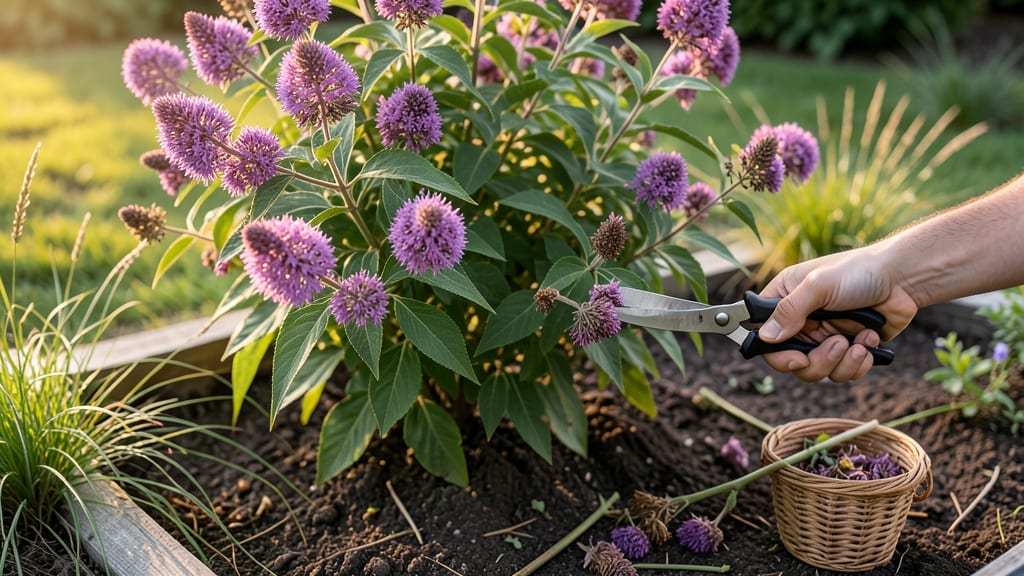
When should butterfly bushes be trimmed for stronger blooms and healthier growth? The best time is late winter—just as new buds start to swell but before leaves emerge.
Butterfly bushes are a gardener’s dream—vibrant blooms, low maintenance, and a magnet for pollinators—but timing their trim wrong can kill your plant’s potential. Discover the exact late-winter window and pruning techniques to ensure bushier growth, more flowers, and fewer pests next season.
Most gardeners wait until spring, but the ideal moment is when your region’s last frost has passed and the soil begins to warm. In Zone 6a, that’s typically March or early April, right before the 🦋 starts buzzing around again.
Here, I’ll break down the step-by-step process, including how to identify dead wood, shape your bush for airflow, and avoid the costly mistakes that lead to weak regrowth or no blooms at all.
The best time to trim butterfly bushes for maximum blooms
Butterfly bushes (Buddleia) thrive when pruned at the right time, and late winter is your golden window. This is when the plant is still dormant but just starting to show signs of life—like swollen buds or sap flow.
Pruning too early risks frost damage, while waiting too long can reduce next season’s flowering potential by up to 40%. The key is acting before new growth emerges, typically between late February and early April, depending on your USDA hardiness zone.
For most gardeners in zones 5-9, the ideal timing falls right after the last frost date but before buds begin to open. In colder zones (3-4), wait until mid-to-late April when soil temperatures consistently stay above 40°F.
Warmer zones (9-11) can trim as early as January, but avoid pruning during winter rains, which can stress the plant.
| USDA Zone | Best Pruning Window | Visual Cues | Avoid Pruning If... |
|---|---|---|---|
| Zones 3-4 | Mid-to-late April | Bud swell visible, sap flowing | Frost predicted or buds open |
| Zones 5-8 | Late February–early April | First green shoots appear | Soil temp below 40°F |
| Zones 9-11 | January–early February | Dormant but no frost risk | Heavy winter rains expected |
Knowing the exact moment to prune isn’t just about the calendar—it’s about reading your plant. Look for these three key signs: swollen buds along the stems, a slight ooze of sap when you gently scratch the bark, or the first pale green shoots peeking from the base.
These signals mean the plant is waking up but hasn’t yet sent energy into new growth, making it the perfect time to trim without stressing the roots.
If you miss the late-winter window, don’t panic. You can also prune right after flowering (late summer) to maintain shape, but this won’t boost next year’s blooms as effectively.
The late-winter trim removes dead wood, encourages bushier growth, and sets the stage for longer, more abundant flower spikes—often 20-30% longer than unpruned bushes. Just avoid heavy pruning in fall, as this invites disease and weakens the plant’s ability to survive winter.
Hardiness zones play a huge role in timing. In Zone 5, where I garden, I prune in early March, while a friend in Zone 9 does it in January. The rule of thumb? Prune when your local last frost date is 3-4 weeks away and the ground isn’t frozen.
Use a frost calculator for your area to pinpoint the exact date. For example, in Zone 7, that’s usually mid-February, while Zone 4 gardeners should wait until late April.
One common mistake is pruning too aggressively, which can leave your butterfly bush looking bare and vulnerable. Aim to remove only dead or diseased branches and shape the bush by cutting back 1/3 of the oldest wood each year.
This encourages new growth from the base and keeps the plant compact and flower-filled. Pro tip: Use sterilized pruners to prevent spreading disease, and make cuts just above a leaf node or bud to promote faster healing.
After pruning, give your butterfly bush a light feeding with a balanced fertilizer (10-10-10) to support new growth. Water deeply but avoid overwatering, as soggy soil can rot fresh cuts. Mulch around the base with 2-3 inches of organic mulch to retain moisture and regulate soil temperature.
This combo of timely pruning + post-care ensures your bush will burst into vibrant blooms by summer, attracting butterflies and hummingbirds in droves.
For those in cooler microclimates (like valleys or high elevations), err on the side of waiting longer. Cold air pools in low areas, delaying bud swell by 2-3 weeks. Conversely, urban heat islands can trigger early growth, so monitor your plant closely.
If you’re unsure, observe a neighbor’s mature butterfly bush—when you see buds swelling on theirs, it’s time to prune yours.
Remember, the goal isn’t just to trim—it’s to rejuvenate. Late-winter pruning is your chance to reset the plant’s energy, remove last year’s spent blooms, and create space for healthier, more abundant growth.
With the right timing, your butterfly bush will reward you with longer stems, more flowers, and fewer pests—all while looking neater and fuller than ever before. 🦋
Step-by-step butterfly bush pruning guide: how to avoid common mistakes
Pruning your butterfly bush (Buddleia) correctly transforms it from a wild, leggy shrub into a bushy, flower-covered powerhouse. The key? Timing and technique. Late winter—just as buds begin to swell—is your golden window.
This is when your plant signals it’s ready for a fresh start, and cutting too early or too late can rob you of next season’s vibrant blooms.
I’ve pruned hundreds of butterfly bushes, and the biggest mistakes I see? Over-trimming (which stunts growth) or under-trimming (leaving dead wood that chokes airflow). The solution? A 3-step pruning checklist that keeps your bush healthy, compact, and buzzing with pollinators.
Let’s dive into the exact steps—plus how to spot the signs you’re doing it right.
🌱 3-Step Butterfly Bush Pruning Checklist
-
Step 1: Remove Dead or Diseased Wood
Cut back brown, brittle branches to the healthiest outward-facing bud. Use sterilized pruners to prevent spreading disease.
-
Step 2: Thin Out Crowded Branches
Look for crossing or rubbing branches—these create weak spots. Trim 1/3 of the oldest stems at the base to encourage new growth from the center.
-
Step 3: Shape for Airflow & Sunlight
Prune to create an open, vase-like shape. Leave 3-5 main stems to promote bushier regrowth and reduce fungal risks from poor airflow.
Start by cleaning your tools with rubbing alcohol—this isn’t optional. Dead branches are easy to spot: they’re hollow, gray, or snap like dry twigs. Cut these back to where you see green tissue or buds.
If you’re unsure whether a branch is dead, scratch the bark—if it’s moist and green underneath, leave it.
Next, focus on thinning the center. Butterfly bushes grow outward from the center, so if you see a dense tangle of stems, it’s time to prune. Aim to reduce the bush by 1/3—this might sound drastic, but it’s what keeps your plant compact and productive.
Use your pruners to make clean cuts, and avoid leaving stubs, which invite disease.
Shaping is where most gardeners go wrong. Don’t shear your butterfly bush like a hedge—this encourages weak, leggy growth. Instead, step back and visualize an open vase shape. The goal is to promote airflow and sunlight penetration, which means cutting back long, whippy branches that flop over.
Focus on outward-facing buds to guide new growth away from the center.
After pruning, mulch around the base with 2-3 inches of organic mulch (like shredded bark) to protect roots and retain moisture. Water deeply but thoroughly—this helps the plant recover faster.
Avoid fertilizing right after pruning; wait until new growth appears (usually in 4-6 weeks) to feed with a balanced 10-10-10 fertilizer.
Finally, keep an eye out for new shoots in early spring—these are your plant’s way of saying, “Thank you for the prune!” If you’ve followed these steps, you’ll see healthier, thicker stems and more abundant blooms by summer.
And remember: patience is key. Butterfly bushes reward consistent care with years of pollinator-friendly flowers. 🦋