
Pruning
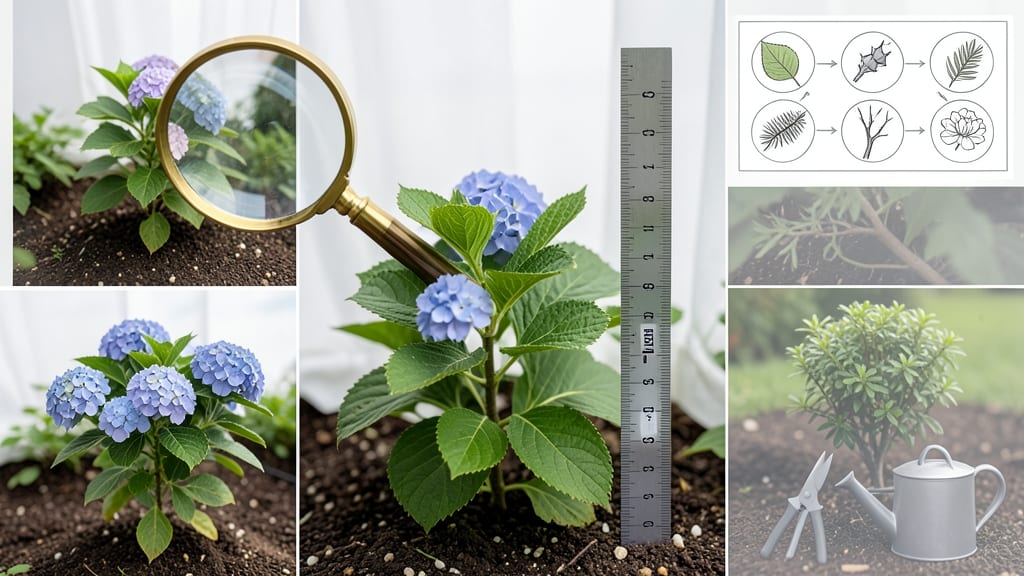
Mastering bush shrub identification by their leaves and bark saves you from pruning the wrong plant—and that’s a game-changer. 🌿 I’ve spent years mislabeling my own shrubs, only to realize too late they needed completely different care.
The key? Leaf shape, bark texture, and growth patterns—details most gardeners overlook until it’s too late.
Start with leaf edges: serrated like a saw (likely a serviceberry), smooth like a teardrop (probably a lilac), or lobed like a maple (could be a ninebark). Then check the bark—smooth and gray (dogwood), peeling like paper (birch), or ridged like elephant skin (hazelnut).
These clues narrow down the options fast, even if you’re not sure of the name yet.
Once you’ve got the ID right, pruning becomes straightforward. Cut back overgrown lilacs in late winter, shape boxwoods after flowering, and avoid heavy pruning on spring-blooming shrubs like azaleas. Knowing your shrubs means healthier growth, fewer pests, and a garden that actually thrives—not just survives.
For tricky IDs, snap a photo and use apps like PlantNet or iNaturalist. Local nursery staff are another great resource—just bring your notes on leaf shape and bark.
The more you practice, the easier it gets, and soon you’ll spot the difference between a viburnum and a privet without a second thought.
Root Causes of Misidentification
Struggling to tell your Rhododendron from your Hydrangea? Even seasoned gardeners mix up shrubs—especially when relying solely on leaves or flowers. The confusion often boils down to a few key factors, each rooted in biology, environment, and human perception.
Below, we break down the real reasons why bush shrub identification goes awry—and how to avoid the pitfalls.
Plants are masters of seasonal camouflage. What you assume is a Viburnum in spring might be a Holly in winter—or worse, a Boxwood masquerading as something exotic. Here’s why:
- Leaf Drop & Dormancy
- Deciduous vs. Evergreen: Deciduous shrubs (like Forsythia) shed leaves in fall, leaving bare branches that resemble evergreens (e.g., Juniper). Without foliage, bark and bud shapes become your only clues.
- New Growth Tricks: Some shrubs (e.g., Weigela) sprout fresh leaves in spring that look nothing like their mature foliage. A hasty glance could lead you to mislabel them as a different species entirely.
- Flowering Phases
- Bloom Timing: A shrub like Azalea might flower in early spring, while Pieris blooms later. If you’re not tracking seasonal cues, you might assume a late-blooming Camellia is a Rhododendron—until the leaves reveal the truth.
- Post-Bloom Shifts: After flowers fade, some shrubs (e.g., Spirea) develop seed heads or berries that alter their appearance. Ignoring these changes can derail identification.
💡 Pro Tip: Take year-round notes on your shrubs. Snap photos of bark, buds, and flowers in every season. A single winter image of Smooth Bark Maple (a tree, not a shrub) could save you from pruning the wrong plant!
Mother Nature loves a good remix. Hybrid shrubs—whether natural or human-engineered—blend traits from multiple species, creating visual chimeras that defy easy classification. Examples include:
| Parent Species | Hybrid Result | Why It’s Tricky |
|---|---|---|
| Rhododendron × Azalea | Rhododendron hybrid (e.g., 'PJM') | Leaf shape and flower structure blur the line between the two genera. |
| Hydrangea macrophylla × H. paniculata | Hydrangea 'Limelight' | Flowers and foliage don’t match either parent’s "pure" form. |
| Cotoneaster spp. | Numerous cultivars (e.g., 'Fireberry') | Berries, thorns, and leaf serration vary wildly—even within the same species. |
🔍 Actionable Fix: When in doubt, check for cultivar tags or consult a plant database. Hybrid names often include clues (e.g., "×" for hybrid, Latin species names for parents).
Sunlight, soil, and climate can warp a shrub’s true identity. A Dwarf Lilac grown in shade might look like a Mock Orange, while a drought-stressed Abelia could resemble a sickly Fothergilla. Here’s how environment plays tricks:
- Light Exposure
- Shade vs. Sun: Shrubs like Pieris develop darker leaves in shade, mimicking Andromeda. Conversely, sun-starved Hydrangeas may produce smaller blooms, confusing them for Oakleaf Hydrangeas.
- Variegation Shifts: Gold-and-green foliage (e.g., 'Gold Mound' Spirea) can revert to solid green in poor light, erasing visual markers.
- Soil & Water Stress
- Nutrient Deficiencies: Iron-deficient Rhododendrons turn yellow, resembling Azaleas—until you check the flower structure.
- Overwatering Roots: A soggy Boxwood might develop fungal spots, making it look like a diseased Yew.
🌡️ Climate Confusion: A Japanese Maple (a tree) might grow shrub-like in a container, while a Dwarf Ninebark could stretch tall in a windy yard. Always consider growing conditions before pruning!
Even with perfect plants, we mess up. Common mistakes include:
- Focusing on One Trait
- ❌ Leaves only: Boxwood and Holly both have glossy leaves, but Holly has spiny edges and red berries.
- ❌ Flowers only: Deutzia and Weigela both have white blooms, but Deutzia has serrated leaves and Weigela has tubular flowers.
- Ignoring Growth Habit
- Bushy vs. Spreading: Abelia grows in a tidy mound, while Butterfly Bush sprawls. Pruning a Butterfly Bush like an Abelia can stunt its natural form.
✨ Ultimate Cheat Sheet: For foolproof ID, combine 3 traits:
- Leaf shape (toothed? lobed? needle-like?)
- Bark texture (smooth? peeling? thorny?)
- Growth pattern (upright? trailing? mounding?)
Example: A shrub with serrated leaves, peeling cinnamon bark, and upright growth is likely a Cornus (Dogwood)—not a Viburnum.
Quick Fixes for Shrub ID Confusion
Identifying the right bush or shrub can feel like solving a puzzle—especially when leaves and bark look eerily similar across species. But with the right approach, you can simplify the process and prune with confidence.
Below are practical solutions tailored to common challenges in bush shrub identification, plus prevention tips to keep your garden thriving.
If two shrubs have leaves that seem identical at first glance, focus on leaf arrangement, edges, and veins to distinguish them.
📌 How to Fix It: - Compare leaf edges: Are they serrated (like a saw), smooth, or lobed?
For example, serviceberry leaves have fine teeth, while wax myrtle leaves are smooth and leathery. - Check vein patterns: Palmate veins (spreading from a central point) are common in maple-leaf viburnum, while pinnate veins (parallel lines) appear in hazelnut shrubs. - Observe leaf stems: Some shrubs, like boxwood, have short petioles (leaf stems), while others, like holly, have longer, sturdier ones.
💡 Pro Tip: Take a close-up photo of the leaf’s underside—some shrubs, like rhododendrons, have fuzzy or hairy undersides, while others, like eucalyptus, are smooth.
Bark can be a game-changer in identification, especially in winter when leaves are absent. If you’re stuck between smooth vs. rough bark, here’s how to tell them apart.
📌 How to Fix It:
- Smooth bark: Young birch or dogwood shrubs have silvery or gray bark that peels like paper. Red twig dogwood keeps its reddish bark even as it matures.
- Rough or scaly bark: Hazelnut shrubs develop diamond-shaped patterns, while elderberry bark is deeply furrowed.
- Peeling vs. exfoliating: Crape myrtle bark peels in thin layers, while river birch has papery, curling flakes.
⚠️ Warning: Avoid touching bark on poison ivy or sumac—both have distinct bark (poison ivy is smooth with white patches; sumac is reddish and hairy).
If leaves and bark aren’t enough, seasonal traits can break the tie.
Pay attention to: - Spring blooms: Azaleas have funnel-shaped flowers, while lilacs have fragrant, clustered blooms. - Berries/seeds: Holly has bright red berries (with spiky leaves), while yew has fleshy, red arils around its seeds. - Growth pattern: Bamboo (if invasive) grows in dense clumps, while switchgrass spreads in tall, feathery tufts.
📊 Quick Reference Table:
| Trait | Example Shrubs | Key Identifier |
|---|---|---|
| White flowers | Elderberry, Viburnum | Elderberry has flat clusters; viburnum has rounded heads. |
| Thorns | Hawthorn, Rose of Sharon | Hawthorn thorns are short; rose of Sharon has long, curved canes. |
| Evergreen | Boxwood, Holly, Juniper | Boxwood is broadleaf; holly has glossy, spiny leaves. |
If you’re still unsure, digital helpers can save the day.
Try these: - PlantNet or iNaturalist: Upload a photo for AI-assisted ID (best with flowers/fruit). - Field guides: Apps like PictureThis or LeafSnap use leaf scans for instant matches. - Local extension offices: Many offer free plant ID services via email or in-person visits.
💡 Pro Tip: Snap multiple angles (top/bottom of leaves, bark close-up, flowers if available) for the best results.
Once you’ve mastered identification, stay ahead with these habits:
- Label new plants at planting time with species name and date.
- Take seasonal notes: Jot down bloom times, leaf changes, and fruit appearance.
- Prune strategically: Remove dead wood in late winter to reveal fresh bark clues.
- Join gardening groups: Facebook or Reddit communities often host plant ID challenges.
✨ Bonus: Plant distinctive shrubs like smoke bush (Cotinus) or purple smoke tree—their unique foliage and bark make them easy to spot (and prune!).
By combining leaf structure, bark texture, seasonal traits, and tech tools, you’ll turn shrub ID from a guessing game into a confident, rewarding skill. Now you’re ready to prune like a pro—without second-guessing! 🌿✂️
Frequently asked questions
How can I tell the difference between a shrub and a small tree?
The key difference is the trunk and height. Shrubs typically have multiple stems at the base and rarely grow taller than 10-12 feet. Small trees usually have a single main trunk and can reach 15 feet or more. Look for branching patterns too—shrubs often grow in rounded or mounded shapes, while young trees tend to have more vertical growth.
What’s the best time of year to identify shrubs?
Spring and summer are ideal because leaves are fully developed, making leaf shape and arrangement easier to examine. However, winter can reveal crucial bark patterns that disappear under summer foliage. For tricky IDs, take photos in both seasons to compare.
Are there any shrubs that look completely different in winter?
Yes! Many deciduous shrubs like Forsythia and Viburnum lose their leaves, leaving only their distinctive bark. Evergreens like Boxwood and Holly keep their foliage but may develop berries or cones that change color. Always check for dormant buds or seed heads—these can be game-changers.
What should I do if I can’t identify a shrub using leaf and bark clues?
Try using a plant identification app like PictureThis or iNaturalist, or consult a local nursery expert. Bring photos showing leaves, bark, flowers (if present), and overall growth habit. For tricky cases, note whether the shrub is deciduous, evergreen, or semi-evergreen—this narrows it down significantly.
Why do some shrubs have thorns while others don’t?
Thorns are a natural defense mechanism against herbivores. Shrubs like Holly and Rose of Sharon have thorns to protect their leaves and fruit. Non-thorny shrubs often rely on other defenses like toxic compounds (e.g., Boxwood) or fast growth to outcompete predators. Thorns can also help with climbing or structural support.