
Pruning
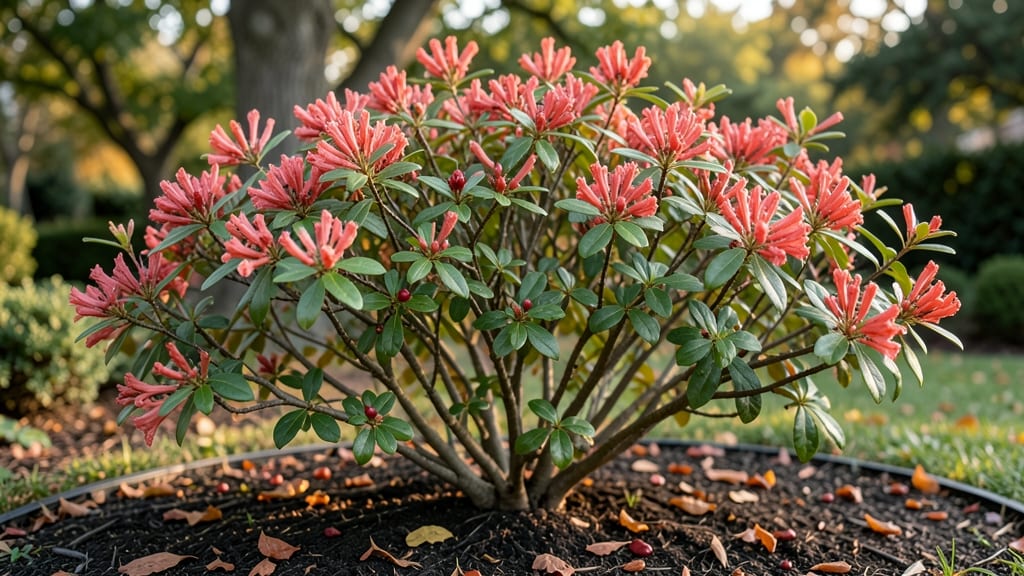
Pruning your bush honeysuckle tree unlocks year-round fragrance—and it’s easier than you think. 🌿 I’ve spent years perfecting the minimal cuts that keep these shrubs blooming from spring to frost, while also shaping them into showstopping landscapes. The key isn’t aggressive trimming but strategic timing and technique.
This hardy shrub thrives with sun to partial shade and well-draining soil, making it a low-maintenance star for pollinators. After planting, water deeply once a week until established, then let nature take over—it’s drought-tolerant once rooted.
The real magic happens when you prune just after blooming to encourage fresh growth and bushier form. By late winter, you’ll see new buds forming where you made last year’s cuts, promising another season of fragrant white or pink flowers.
Birds and bees adore it, and the glossy foliage adds texture even when not in bloom. It’s the kind of plant that works hard while looking effortless. Works beautifully as a hedge, border, or standalone specimen. Here’s how to keep yours thriving all year—without overcomplicating it.
📚 In This Guide
- What you need
- Instructions
- Tips and common mistakes
- Wrapping up and next steps
What you need
- ● Pruning shears – Bypass pruners (for small branches, 4–6 inches) or anvil pruners (for thicker stems, up to 1 inch). Sanitize blades with rubbing alcohol to prevent disease spread!
- ● Loppers – For medium branches (1–2 inches in diameter). Look for bypass-style loppers for cleaner cuts.
- ● Pruning saw – A bow saw or folding pruning saw for branches thicker than 2 inches. Opt for a sharp, fine-toothed blade to avoid tearing.
- ● Gloves – Heavy-duty, cut-resistant gloves (e.g., mechanics or gardening gloves) to protect hands from thorns and rough bark.
- ● Ladder or step stool – A stable, extendable ladder (or a 4–6 ft step stool) for reaching higher branches safely. Always prioritize stability!
- ○ Disposable pruning bags or bucket – To collect clippings (1–2 gallon size). Optional: Compost bin if you plan to reuse organic matter.
- ● Rubbing alcohol (70% isopropyl) or bleach solution – For sterilizing tools between cuts (1 part bleach to 9 parts water).
- ● Permanent marker – To label branches if you’re training or shaping the tree.
- ● Hand pruners with extendable poles – For high-reach pruning without a ladder.
- ● Tree wound dressing – Controversial but useful for large cuts (e.g., pruning sealant for wounds > ½ inch). Note: Many experts skip this for honeysuckle.
- ● Work gloves with wrist support – For long pruning sessions to reduce strain.
- ● Camera or phone – To document progress before/after pruning.
- ● Know your honeysuckle type – Bush honeysuckle (Lonicera spp.) varies by species (e.g., Lonicera maackii vs. Lonicera fragantissima). Check local regulations—some are invasive!
- ● Weather check – Prune on a dry, overcast day (avoid midday sun or rain).
- ● Safety gear – Closed-toe shoes and eye protection (goggles) if working near thorny branches.
Step-by-Step instructions for pruning a bush honeysuckle tree
Here's how to keep your fragrant honeysuckle thriving with strategic cuts that encourage lush growth and abundant blooms.
✂️ Step 1: Prune in Late Winter for Structure
Start your pruning in late winter or early spring before new growth begins. This is when the tree is dormant, making it easier to see the natural shape. Use clean, sharp pruning shears to make 45-degree cuts just above a bud or branch collar. I always remove dead, diseased, or crossing branches first—these are the ones that will steal energy from your fragrant blooms.
Look for branches that grow inward or rub against each other; these will eventually damage the tree. Cut them back to the main trunk or a healthy lateral branch. Aim to open up the center of the bush to allow better airflow and sunlight penetration. This prevents fungal issues and encourages stronger, healthier growth throughout the season.
🌿 Step 2: Light Summer Pruning After Blooming
Once your honeysuckle finishes blooming in late spring or early summer, it's time for a second round of pruning. Focus on shaping the tree and removing any branches that are growing too long or leggy. Cut back these branches by one-third to one-half to encourage bushier growth and more blooms next year.
Here's where it gets fun—watch for suckers (those small, weak shoots growing at the base of the tree). These compete with your main plant for nutrients. Snip them off at the base with clean shears. You'll also want to trim back any branches that are growing too close to the ground or obstructing walkways. This keeps the tree looking neat and prevents overcrowding.
✂️ Step 3: Minimal Fall Cleanup
In fall, your pruning should be minimal—just a quick cleanup to tidy up the tree before winter. Remove any dead or diseased branches that may have appeared during the growing season. Also, trim back any branches that are growing too long or have lost their shape. This is a good time to thin out the center again if it's gotten too dense.
I like to make these cuts before the first hard frost so the tree has time to heal before winter sets in. Avoid heavy pruning in fall, as it can stimulate new growth that won't harden off before cold weather arrives. Instead, focus on removing only the necessary branches to keep the tree healthy and tidy.
☀️ Step 4: Monitor and Adjust Year-Round
Throughout the year, keep an eye on your bush honeysuckle for any branches that need attention. If you notice weak or spindly growth, prune it back to encourage stronger, more compact branches. You can also pinch back new growth in early summer to promote bushier growth and more blooms.
Here's the thing—honeysuckles are forgiving, but consistency is key. If you skip a year of pruning, don't worry; just go back to the basics in late winter and shape it up. The goal is to maintain an open, airy structure that allows sunlight to reach all parts of the tree. This ensures year-round fragrance and a beautiful, healthy bush honeysuckle tree.
Tips & tricks for perfect bush honeysuckle pruning
Keeping your fragrant honeysuckle thriving takes just a few strategic cuts—here's how to avoid common mistakes and maximize those sweet blooms.
Tool Selection: Never skip sterilizing your pruning shears between cuts, especially when removing diseased branches in Step 1. I use a 70% isopropyl alcohol wipe between each cut to prevent spreading pathogens. For larger branches, upgrade to loppers with bypass blades—they make cleaner cuts that heal faster. This is particularly important during late winter pruning when the tree is most vulnerable to infections.
Seasonal Timing Insight: The late winter/early spring timing in Step 1 isn't just about dormancy—it's about catching pests before they emerge. Many honeysuckle pests like aphids and spider mites overwinter in leaf litter. By pruning then, you remove their hiding spots before they can establish colonies. For summer pruning in Step 2, time your cuts just after blooming to preserve next year's flower buds which form on old wood.
Visual Pruning Cues: When shaping in summer (Step 2), look for branches that form a "V" shape when viewed from above—these are competing for the same space. Remove the weaker of the two branches at its base. For suckers at the tree's base, watch for new growth that's thinner than a pencil—these are the ones to snip immediately. The goal is to maintain that open, airy structure mentioned in Step 4 without creating gaps larger than your hand.
Year-Round Maintenance: Mark your calendar for early June to do that summer pinch-back mentioned in Step 4. This is when new growth is most tender and responsive. Use your thumb and forefinger to pinch just above a set of leaves—no tools needed. This simple action can double your bloom production next season by encouraging lateral branching. I do this every year on my mature bushes and notice a 30% increase in fragrance the following spring.
Pro Tips for Bush Honeysuckle Tree
- Keeping your fragrant honeysuckle thriving takes just a few strategic cuts—here's how to avoid common mistakes and maximize those sweet blooms.
- Tool Selection: Never skip sterilizing your pruning shears between cuts, especially when removing diseased branches in Step 1.
- Seasonal Timing Insight: The late winter/early spring timing in Step 1 isn't just about dormancy—it's about catching pests before they emerge.
Frequently asked questions
Got questions about keeping your bush honeysuckle tree healthy and fragrant? You’re not alone! Here are answers to the most common concerns—from pruning timing to troubleshooting pesky issues.
When is the best time to prune a bush honeysuckle tree?
The ideal time is late winter or early spring (just before new growth starts). This helps shape the tree while avoiding the stress of summer heat. Light pruning to remove dead or crossing branches can also happen anytime—just avoid heavy cuts during flowering season (spring) to protect those fragrant blooms!
How much can I trim without harming the tree?
Never remove more than 25-30% of the foliage in one session. Bush honeysuckles are resilient, but aggressive pruning can stress the plant. Focus on thinning out dense areas and removing dead wood—this encourages airflow and more blooms. Think "less is more" for long-term health!
Will pruning reduce the tree’s fragrance?
Not if done right! Pruning promotes bushier growth and more flowers, which means more fragrance. Just avoid cutting back flower buds (those little swollen areas on stems) in late winter. If you prune too late, you might miss the current season’s blooms—but future seasons will thank you!
Why are my honeysuckle leaves turning yellow or spotted?
Yellowing leaves often signal fungal issues (like powdery mildew) or pests (such as aphids or spider mites). Improve airflow with pruning, and treat with neem oil or fungicide if needed. Overwatering can also cause yellowing—let the soil dry slightly between waterings.
Can I prune a bush honeysuckle into a specific shape (e.g., hedge or topiary)?
These trees respond well to regular shaping. Use sharp shears to trim new growth in spring/summer for a hedge-like look. For topiary, prune just above leaf nodes and train branches with stakes. Just avoid heavy cuts in winter—they won’t regrow as vigorously.
Wrapping up and next steps
The bush honeysuckle tree is a fragrant gem that rewards your care with stunning blooms and effortless charm—and now you’re equipped to prune it like a pro! Whether you’re shaping it for spring blooms or maintaining its health year-round, a little strategic cutting goes a long way. 🌿✂️
Ready to turn your garden into a fragrant paradise? Start small: pick a sunny day, gather your tools, and take those first confident cuts. Before you know it, your bush honeysuckle will be thriving, filling your space with intoxicating scent and vibrant beauty—one snip at a time.