
Pruning
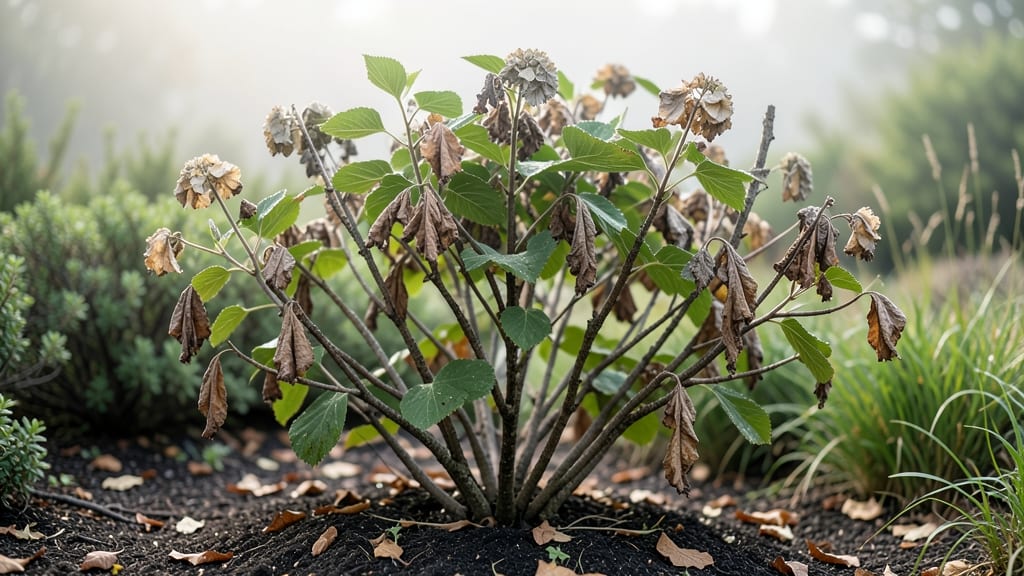
Your hydrangea bush isn’t dead—it’s just waiting for the right cut. 🌿 I’ve revived more "dead" hydrangeas than I can count, and the secret lies in pruning at the right time, with the right technique. What looks like a lost cause is often just a plant starving for direction.
The real culprits? Overpruning, underwatering, or disease hiding beneath those sad stems. Most people panic and cut too much, too late—turning a fixable problem into a permanent one. The good news? Even if it’s been years since your bush bloomed, three strategic cuts can bring it back to life.
By late winter, you’ll see fresh green shoots pushing through the old wood, and by summer, those iconic blooms will return—bigger and more abundant than before. The key is timing: prune when the plant is dormant but not frozen, and focus on removing dead wood while encouraging new growth.
Works for bigleaf, oakleaf, and panicle hydrangeas alike. If you’ve been putting off pruning because you’re afraid to make it worse, this method is your safety net. Let’s get those blooms back!
Understanding Root Causes
A dead hydrangea bush isn’t always a lost cause—it’s often a cry for help from your plant. Before you panic, let’s break down the real reasons your hydrangea might be struggling or looking lifeless.
These causes range from environmental stress to human error, and knowing the difference is key to revival. Here’s what’s likely behind your wilting woes:
Hydrangeas thrive in moist but well-drained soil, but too much love (in the form of water) can drown their roots. Here’s why it happens and how to spot it:
- Root Rot: Excess moisture cuts off oxygen to roots, leading to fungal infections like Phytophthora or Pythium. Look for mushy, brown roots or a foul smell when digging near the base. - Waterlogged Soil: Clay-heavy or compacted soil traps water, suffocating roots.
Test drainage by digging a hole, filling it with water, and timing how long it takes to drain—more than 6 hours? That’s a red flag. - Overhead Watering: Wet foliage for prolonged periods invites fungal diseases like powdery mildew or botrytis blight, which weaken the plant.
Actionable Fix: ✅ Amend soil with compost or perlite to improve aeration. ✅ Water deeply but less frequently—aim for 1–1.5 inches per week, adjusting for rain. ✅ Ensure proper drainage by planting on a slight mound or adding gravel to the bottom of containers.
On the flip side, skipping water entirely can turn your hydrangea into a crispy skeleton. Signs include:
- Dry, brittle leaves that crumble at the touch.
- Wilting despite soil appearing moist (common in sandy or fast-draining soil).
- Leaf drop as the plant conserves water.
Hydrangeas store water in their stems and leaves, but prolonged drought forces them into survival mode—often fatally.
Actionable Fix: ✅ Mulch heavily (3–4 inches of organic mulch) to retain moisture. ✅ Use soaker hoses or drip irrigation to deliver water directly to roots. ✅ Group hydrangeas with thirsty companions (like hostas or ferns) to create a microclimate that holds humidity.
Pruning at the wrong time or too aggressively can shock your hydrangea into dormancy—or worse, death. Here’s how it backfires:
- Late-Winter Pruning (Before Bud Break): Hydrangeas bloom on old wood (last year’s growth) or new wood (current season’s growth), depending on the type.
Cutting back too early removes next year’s flower buds. - Over-Pruning: Removing more than 1/3 of the plant in one go stresses it, especially for mature bushes. - Pruning After Blooming (For Old-Wood Types): If you prune after June, you risk cutting off next year’s flowers for varieties like Bigleaf or Oakleaf hydrangeas.
Actionable Fix: 🔹 Know your hydrangea type:
- Old wood bloomers (e.g., H. macrophylla): Prune right after flowering (late summer/early fall).
- New wood bloomers (e.g., H. paniculata): Prune in late winter/early spring before buds swell.
🔹 Use clean, sharp tools to avoid tearing stems and inviting disease.
Hydrangeas are heavy feeders and demand balanced nutrition. A dead or struggling bush often signals: - Yellowing leaves (Chlorosis): Usually from iron or magnesium deficiency, common in alkaline soil (pH > 7.0).
Hydrangeas prefer acidic to neutral soil (pH 5.5–6.2). - Pale or stunted growth: A lack of nitrogen, phosphorus, or potassium (the NPK trio). - Poor flowering: Often linked to low phosphorus or calcium deficiencies.
Actionable Fix: ✅ Test your soil with a DIY kit or send a sample to a local extension office. ✅ Amend soil with:
- Sulfur or peat moss to lower pH (for blue/pink flower color control).
- Compost or slow-release fertilizer (10-10-10 or 5-10-5) in early spring.
✅ Top-dress with bone meal (for phosphorus) if blooms are sparse.
Hidden invaders can sap strength from your hydrangea, leaving it vulnerable to death.
Watch for: - Aphids, Spider Mites, or Scale Insects: These suck sap, causing yellowing, curled leaves, and sticky residue (honeydew). - Japanese Beetles: They skeletonize leaves, weakening the plant. - Fungal Diseases: - Botrytis blight (gray mold on buds/leaves). - Powdery mildew (white powdery coating). - Root rot (mushy stems, foul smell).
Actionable Fix: 🔹 Inspect leaves weekly—catch pests early with neem oil or insecticidal soap. 🔹 Remove infected foliage immediately and sterilize pruners with rubbing alcohol. 🔹 Improve airflow by spacing plants 3–5 feet apart and pruning to open the center.
Hydrangeas are sensitive to extremes, and sudden changes can send them into shock:
- Frost or Late Freezes: Damages tender new growth or flower buds.
- Heatwaves or Drought: Causes leaf scorch (brown, crispy edges).
- Windburn: Dries out leaves, leading to desiccation.
- Poor Light: Too much sun (southern exposure) causes leaf burn; too little sun (deep shade) weakens growth.
Actionable Fix: ✅ Choose the right spot: Morning sun + afternoon shade for most varieties. ✅ Protect from frost with burlap wraps or mulch in winter. ✅ Use shade cloth (30–50%) in intense afternoon sun zones.
Moving a hydrangea—even if it’s just relocating a potted plant—can cause root trauma. Signs include:
- Wilting despite watering.
- Yellowing leaves (from disrupted nutrient flow).
- Stunted growth as roots recover.
Actionable Fix: ✅ Transplant in early spring or fall (avoid summer heat). ✅ Dig a hole twice as wide as the root ball to minimize disturbance. ✅ Water deeply before and after moving to reduce shock.
Revive Your Bush Now
A dead hydrangea bush doesn’t have to stay that way! Whether your plant is suffering from overwatering, underwatering, nutrient starvation, pests, or disease, there’s a way to bring it back to life—often faster than you think.
Below, we’ve mapped out practical fixes for each common cause, along with prevention tips to keep your hydrangeas thriving year-round.
Signs: Yellowing leaves, mushy stems, wilting despite wet soil, or a foul smell at the base.
How to Fix It: ✅ 🔥 Step 1: Stop Watering Immediately
- Let the soil dry out completely before watering again. Stick your finger 2-3 inches deep—if it’s damp, wait.
✅ 🍳 Step 2: Improve Drainage - If your hydrangea is in a pot, repot it in a container with drainage holes.
Use a well-draining potting mix (like a blend of peat moss, perlite, and compost). - For in-ground plants, amend the soil with compost or sand to loosen heavy clay.
✅ 👨🍳 Step 3: Prune Damaged Areas
- Cut back soft, mushy stems with clean pruners to prevent rot from spreading. Focus on brown or blackened growth.
✅ 🌱 Prevention Tips:
- Water only when the top 1-2 inches of soil are dry (morning is best).
- Avoid soggy spots—never let hydrangeas sit in standing water.
- Mulch around the base (but not touching the stem) to regulate moisture.
Signs: Crispy, brown edges on leaves, dry soil pulling away from the pot, or a wilted but still dry appearance.
How to Fix It: ✅ 💦 Step 1: Deep Watering
- Water slowly and deeply until it drains from the bottom. For pots, let it soak for 10-15 minutes.
- In-ground plants? Use a soaker hose or dig a small trench around the roots to encourage absorption.
✅ 🌿 Step 2: Check Soil Moisture
- Hydrangeas love consistently moist (not soggy) soil. If the roots are exposed, cover them with mulch (2-3 inches).
✅ ⏰ Step 3: Adjust Watering Schedule
- Mature hydrangeas need 1-1.5 inches of water per week (including rain). Use a rain gauge to track.
✅ 🎯 Prevention Tips:
- Mulch heavily (3-4 inches) to retain moisture.
- Water in the early morning to reduce evaporation.
- Group hydrangeas with other thirsty plants to create a microclimate.
Signs: Pale yellow leaves (iron/chlorosis), slow growth, or small, sparse blooms.
How to Fix It: ✅ 📊 Step 1: Soil Test First
- Grab a DIY soil test kit (or send a sample to a local extension office). Hydrangeas thrive in slightly acidic soil (pH 5.5-6.2).
✅ 💪 Step 2: Fertilize Smartly
- For green foliage (not blooms): Use a balanced fertilizer (10-10-10) in early spring.
- For bigger blooms: Switch to a high-phosphorus fertilizer (like 5-10-5) after pruning (late winter/early spring).
- For acid-loving hydrangeas (like blue varieties): Add sulfur or aluminum sulfate to lower pH.
✅ 🥗 Step 3: Organic Boost
- Mix compost or worm castings into the top 6 inches of soil.
- Epsom salt (magnesium sulfate) can help with yellowing—dissolve 1 tbsp per gallon of water and spray leaves.
✅ ✨ Prevention Tips:
- Feed in stages: Early spring (growth), mid-summer (bloom boost), and fall (root strengthening).
- Avoid over-fertilizing—it burns roots! Follow package instructions.
- Mulch with compost yearly to slowly enrich the soil.
Signs: Holes in leaves, sticky residue (aphids), black spots (fungus), or sawdust-like frass (borers).
How to Fix It: ✅ 🔪 Step 1: Identify the Culprit
- Aphids/Spider Mites? Spray with neem oil or insecticidal soap.
- Powdery Mildew? Prune infected leaves and apply baking soda spray (1 tsp baking soda + 1 quart water + a drop of dish soap).
- Borers? Drill holes into infested stems and dab in insecticide (or use beneficial nematodes).
✅ 🌡️ Step 2: Treat & Isolate
- Remove severely infected stems and dispose of them (don’t compost!).
- Space out plants to improve airflow (prevents fungal spread).
✅ 🛡️ Prevention Tips:
- Inspect leaves weekly during growing season.
- Encourage predators like ladybugs by planting marigolds or dill nearby.
- Water at the base (not overhead) to reduce fungal spores.
Signs: Dormant but leafless (normal in winter), brown stems with no buds, or new growth dying after late pruning.
How to Fix It: ✅ 🌱 Step 1: Wait for Spring
- If stems are brown but still firm, they may be dormant—wait until late winter/early spring (when buds swell) to prune.
- Never prune in fall—it invites disease and winter kill.
✅ ⏰ Step 2: Prune at the Right Time
- For most hydrangeas (like Bigleaf): Prune right after blooming (summer) to shape.
- For Panicle or Smooth hydrangeas: Prune in late winter (before buds break).
✅ 🔥 Prevention Tips:
- Mulch heavily in winter (4-6 inches) to protect roots.
- Avoid pruning in frost—wait until frost danger has passed.
- Disinfect pruners with rubbing alcohol between cuts to prevent disease spread.
Pro Tip: 💡 If your hydrangea is completely bare, don’t panic! Cut back all stems to 6-12 inches in early spring—new growth will emerge from the base. Hydrangeas are tougher than they look!
Frequently asked questions
Why does my hydrangea look dead when the stems still feel firm?
Firm stems don’t always mean your hydrangea is beyond saving! Many varieties go dormant in winter, especially in cold climates. Check for small buds at the base of stems—these signal life. Even if it’s leafless, prune back to 6-12 inches in late winter when buds swell, and new growth often emerges within 4-6 weeks.
How can I tell if my hydrangea is truly dead vs. just dormant?
Scratch a small section of stem with your fingernail—if it’s green underneath, the plant is alive! For stubborn cases, dig up a small root section: healthy roots are white or light tan; dead roots are black and mushy. If roots are alive but stems are bare, prune aggressively in spring and fertilize.
Can I revive a hydrangea that’s been "dead" for over a year?
Many hydrangeas survive underground for years in a dormant state. Dig around the base to check for live roots—even if no stems appear above ground. Prune all dead wood down to ground level in early spring, apply high-phosphorus fertilizer, and water deeply. New shoots often appear within 2-3 months.
What’s the fastest way to check for root rot in a "dead" hydrangea?
Gently dig a 6-inch deep hole around the base and examine the roots. Healthy roots are firm and white/tan; rotten roots are dark brown/black and mushy. If rot is present, trim all infected roots with clean pruners, repot in fresh soil with perlite, and water only when the top 2 inches are dry.
Should I remove my hydrangea if it’s been dead for years?
Not yet! Even if it looks hopeless, hydrangeas can surprise you. Try this test: cut back all stems to 6 inches in early spring, apply compost and mulch heavily, and water consistently. If no new growth appears by mid-summer, then consider removal—but many gardeners revive bushes they’ve given up on!