
Pests
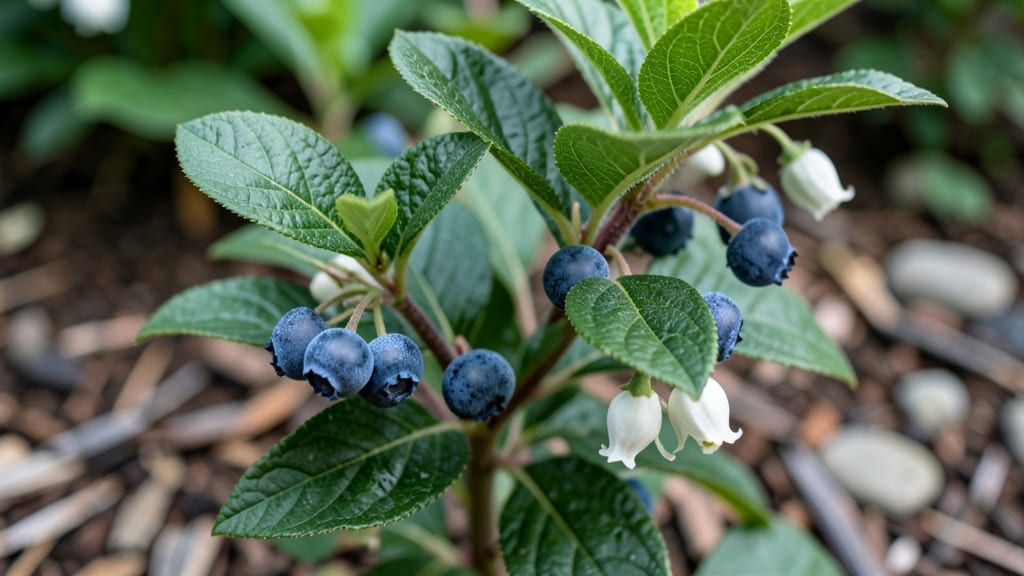
Blueberry bushes are partially deer resistant because their thick leaves and bitter berries deter most browsing, but hungry deer will still nibble young growth or weakened plants. Strategic pruning and repellent use can significantly reduce damage in vulnerable garden areas.
Deer resistance in blueberries comes down to two key factors: leaf texture and flavor chemistry. 🌿 The waxy, leathery leaves contain high tannin levels that make them unappealing, while the tart berries lack the sweetness deer prefer.
However, stressed bushes with sparse foliage or young shoots become prime targets during late winter or drought conditions when food is scarce.
What gardeners often overlook is that deer behavior shifts with seasons. In spring, when new growth emerges, deer are more likely to sample blueberry shoots—this is when protective measures like fencing or repellent sprays become critical.
I've seen firsthand how a single deer can strip a young bush in just a few nights if left unchecked.
💡 In This Article
- Why Blueberry Bushes Repel (or Attract) Deer: Plant Science Breakdown
- Proven Deer-Resistance Strategies for Blueberry Gardens
Why blueberry bushes repel (or attract) deer: plant science breakdown
The key to understanding blueberry bushes' deer resistance lies in their unique leaf chemistry. These plants produce high tannin levels (up to 10% of leaf dry weight), creating a bitter, astringent flavor that deer find unpalatable.
The leaves also have a leathery texture with thick cuticles that make them difficult to chew—similar to how deer avoid holly bushes. This natural defense mechanism works well against casual browsing, but it's not foolproof.
Berry flavor plays an equally important role. Wild blueberries contain high levels of anthocyanins (the compounds that give them their deep color), which contribute to their tartness. Deer prefer sweet fruits like apples or grapes, and the 0.5-1.5% acidity in blueberries makes them less appealing.
However, when berries ripen and soften, their sugar content increases slightly, making them more tempting to hungry deer—especially in late summer when other food sources dwindle.
Seasonal factors dramatically influence deer behavior. During late winter and early spring, when new growth emerges, deer are more likely to sample blueberry shoots because they're tender and nutrient-rich. This is when bushes become most vulnerable.
The stress response also matters: drought-stressed plants produce lower tannin levels (as much as 30% reduction) and become more attractive to deer seeking water-rich vegetation. I've observed that bushes in full sun with consistent moisture maintain better natural defenses.
Another critical factor is plant maturity. Young blueberry bushes (under 3 years old) have softer leaves and stems that deer find easier to consume. Mature bushes develop thicker stems and more robust foliage, creating a physical barrier that deters browsing.
The 1-2 inch thorns that develop on some varieties further enhance this protection, though they're not as effective as the chemical defenses in the leaves.
What most gardeners don't realize is that deer have individual preferences. Some deer populations develop a taste for blueberries over time, particularly in areas where other food sources are limited. This learned behavior can turn what was once a deer-resistant plant into a regular snack.
The 12-24 inch browsing height that deer typically target means young shoots and lower branches are most at risk, while mature foliage often remains untouched.
To maximize natural resistance, focus on maintaining plant health through proper pruning techniques (removing dead wood in late winter) and consistent watering schedules (1-1.5 inches per week). Healthy bushes with dense foliage and vibrant green leaves present the strongest natural defense against deer browsing, while stressed plants become easy targets.