
Propagation
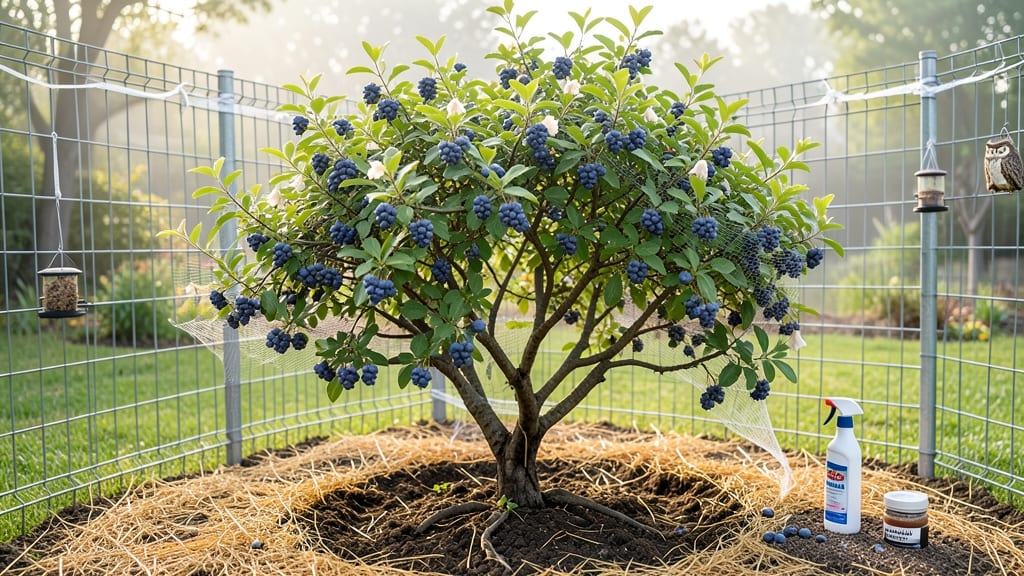
How to protect blueberry bushes from animals—deer, rabbits, and birds are wreaking havoc on your harvest? 🌿 I’ve lost entire harvests to hungry critters—until I discovered these foolproof barrier hacks that actually work. The key isn’t just one solution but a layered defense that keeps animals out without harming the plants or the ecosystem.
Start with 8-foot tall fencing (deer jump!), then add fine mesh netting (¼-inch holes) to block rabbits and birds. For rodents, wrap trunks with hardware cloth buried 6 inches deep. These physical barriers are the most reliable—repellents alone won’t cut it when animals are desperate for food.
You’ll see the difference immediately: no more chewed leaves, no stolen berries, and bushes that thrive year-round. The best part? These methods work for new plantings or established bushes, and they’re low-maintenance once set up. Even wildlife-friendly gardens can have boundaries!
Seasonal tweaks matter too—remove fallen fruit in autumn, prune thickets to reduce hiding spots, and monitor for new critter activity after rain. With these strategies, your blueberries stay safe, and your harvest stays 100% yours.
📚 In This Guide
- What you need
- Instructions
- Tips and common mistakes
- Wrapping up and next steps
What you need
- ● Physical Barriers: Chicken wire (19-gauge, 1" x 2" mesh) – 10–20 ft per bush (or enough to wrap around the base and extend 12" upward).
- ● Hardware cloth (1/4" mesh) – For persistent pests like raccoons (cut to fit bush dimensions).
- ● Plastic tree guards (18"–24" tall) – 1–2 per bush (or DIY with PVC pipes + wire mesh).
- ● Repellent Solutions: Commercial animal repellents (e.g., Bobbie Green’s or Hot Pepper Wax) – Follow label rates (spray or brush-on).
- ● Hot sauce (e.g., Tabasco) – 1–2 tbsp per gallon of water (mix and spray).
- ● Predator urine (e.g., fox or coyote urine) – 1–2 caps per 10 sq ft (reapply every 2–4 weeks).
- ● Tools for Installation: Staple gun + heavy-duty staples (for securing wire).
- ● Scissors or wire cutters – For precise cuts.
- ● Gloves – To handle spicy repellents or thorny barriers.
- ● Spray bottle (for liquid repellents) – 8–16 oz capacity.
- ● Deterrents: Motion-activated sprinklers (e.g., ScareCrow) – Covers 500–1,000 sq ft.
- ● Reflective tape or old CDs – Hang near bushes to deter birds.
- ● Natural Alternatives: Crushed red pepper flakes – Sprinkle around base.
- ● Essential oils (e.g., peppermint or citrus) – Mix 10 drops per cup of water.
- ● Long-Term Solutions: Fencing (6 ft tall) – For large gardens (bury 12" underground to block diggers).
- ● Compost bins – Place near bushes to distract foraging animals.
Step-by-step instructions for creating an animal-repellent barrier for blueberry bushes
Here’s how I’ve kept my blueberry bushes safe from hungry critters for years—using simple, effective barriers that work without harming wildlife.
🌿 Step 1: Assess Your Threat Level and Choose Barrier Types
First, identify which animals are targeting your blueberries. Deer, rabbits, and voles each require different strategies. I’ve found that deer need tall, sturdy fencing (at least 8 feet high), while rabbits can be deterred with chicken wire wrapped tightly around the base. For voles, a hardware cloth barrier buried 12 inches deep is essential—they tunnel underground.
Walk your property at dawn or dusk when animals are most active. Look for chewed leaves, dug-up soil, or fresh droppings near your bushes. This tells me exactly where to focus my defenses. I always start with the most vulnerable bushes—young plants or those with ripe fruit are top priorities.
🪴 Step 2: Install Physical Barriers with Precision
For deer, I use 8-foot tall plastic mesh fencing (not chain-link—deer can jump through it). Bury the bottom 6 inches deep and secure it with T-posts every 6 feet. If your bushes are in a row, connect the fencing with wire ties to prevent gaps. For rabbits, wrap ½-inch hardware cloth around the base of each bush, extending 1 foot outward and 1 foot above ground. This blocks their ability to nibble at the stems.
When dealing with voles, dig a trench around the bush perimeter and line it with ¼-inch hardware cloth, folding the edges inward to create a barrier they can’t dig under. Fill the trench back with soil, pressing firmly to eliminate air pockets. I always check for gaps—even a ½-inch hole is enough for voles to squeeze through.
💧 Step 3: Add Natural Deterrents for Extra Protection
Combine physical barriers with scent-based repellents for a multi-layered defense. I spray hot pepper wax (a mix of cayenne pepper, water, and soap) around the base of bushes—animals avoid the strong smell. For deer, I place commercial repellent granules (like Deer Out) in a 10-foot radius around the plants. Reapply every 4-6 weeks or after heavy rain.
Another trick? Plant strong-scented herbs like rosemary or thyme near your blueberries. The aroma masks the berries’ scent, making them less appealing. I also use reflective tape or old CDs hung from strings—they create movement that scares off birds and small mammals. This is especially useful in late summer when berries are ripe.
✂️ Step 4: Maintain and Reinforce Barriers Seasonally
Check your barriers every 2 weeks during growing season and monthly in winter. Deer fencing may sag over time, and hardware cloth can rust or develop holes. Replace any damaged sections immediately—even a small gap can undo months of protection. In late winter, I prune back any overgrowth that could provide cover for rabbits or voles.
After harvest, remove fallen berries from the ground. Leftovers attract animals, and they’ll return to the same spot. I also rotate repellent methods annually to prevent animals from getting used to one scent. For example, if I used pepper spray last year, I switch to commercial deer repellent this year. This keeps them guessing and reduces the risk of them adapting.
☀️ Step 5: Monitor and Adjust for Long-Term Success
Keep a journal of animal activity near your bushes. Note which methods work best in different seasons—deer might be more active in late summer, while voles peak in early spring. Adjust your barriers accordingly. If you notice new damage, reassess your approach. For instance, if rabbits start chewing through the hardware cloth, add a second layer or extend the barrier higher.
Finally, combine barriers with habitat modification. Remove brush piles or tall grass near your bushes—these provide hiding spots for animals. Keep the area around your blueberries open and well-lit during the day. This makes it harder for pests to approach undetected. With consistent upkeep, your bushes will stay safe, and you’ll enjoy a bountiful harvest year after year.
Tips & tricks for effective animal-repellent barriers
Here's what I've learned from years of protecting blueberry bushes—these details make all the difference between a temporary fix and long-term success.
Precision Matters with Barrier Depth: When burying hardware cloth for voles, go deeper than 12 inches if your soil is loose or sandy. I've found that adding an extra 2-3 inches in these conditions creates a more reliable barrier—voles can dig through shallower layers surprisingly fast. For deer fencing, the 6-inch burial isn't just about height; it prevents digging underneath where deer might try to push through.
Material Selection for Longevity: Plastic mesh fencing lasts longer than chain-link for deer protection because it won't rust. I've used the same plastic fencing for five years with minimal maintenance. For hardware cloth, choose galvanized or vinyl-coated varieties—they resist rust and last through multiple growing seasons. The ½-inch hardware cloth for rabbits is perfect because it's small enough to deter chewing but flexible enough to wrap tightly around stems.
Seasonal Adjustments for Maximum Effect: In late winter, before new growth appears, I add an extra layer of reflective tape around the base of bushes. The movement created by sunlight scares off early-season rabbits. For deer, I temporarily increase the repellent radius to 15 feet during late summer when they're most active. This layered approach accounts for changing animal behaviors throughout the year.
Repellent Rotation Strategy: I keep three different repellent methods on hand: hot pepper wax, commercial granules, and predator urine (for deer). By switching between them every 3-4 months, I prevent animals from becoming accustomed to any single scent. This rotation is particularly important for deer, which can develop a tolerance to commercial products if used continuously.
Pro Tips for Protect Blueberry Bushes From Animals
- Here's what I've learned from years of protecting blueberry bushes—these details make all the difference between a te...
- Precision Matters with Barrier Depth: When burying hardware cloth for voles, go deeper than 12 inches if your soil is...
- Material Selection for Longevity: Plastic mesh fencing lasts longer than chain-link for deer protection because it wo...
Frequently asked questions
What’s the best time of year to start protecting my blueberry bushes from animals?
Start before animals discover your bushes! Early spring (before buds swell) or late fall (after harvest) are ideal times to install physical barriers like fencing or netting. If you’re using repellents, apply them in early spring and reapply every 4–6 weeks or after rain. Pro tip: Monitor local wildlife activity—some animals, like raccoons, become bolder in late summer when berries ripen!
Will animal deterrents harm my blueberry bushes or the soil?
Most natural deterrents (like garlic spray, predator urine, or hot pepper wax) are safe for plants and soil when used as directed. Avoid chemical repellents with synthetic ingredients near edible crops. Always test a small area first to check for sensitivity. For physical barriers (e.g., wire cages), ensure they don’t damage branches—use soft ties or bendable materials like chicken wire.
What if animals keep coming back after I’ve tried repellents?
Persistence pays off! If repellents fail, combine methods: 1) Upgrade barriers (e.g., bury fencing 12 inches deep to block digging animals like rabbits). 2) Add motion-activated sprinklers or ultrasonic devices. 3) Use decoy plants (like marigolds) to distract pests. Rotate repellents every few weeks—animals can become immune to the same scent over time.
Are there any DIY alternatives to commercial animal repellents?
Try these budget-friendly, non-toxic options:
- Garlic spray: Blend 5 cloves of garlic with 1 quart of water and 1 tsp. cayenne pepper. Strain and spray on bushes (reapply weekly).
- Predator urine: Purchase coyote or fox urine from garden stores and apply around the base of plants.
- Hair or fur: Rub raccoon or dog fur around the bush perimeter—animals avoid unfamiliar scents.
- Plant companions: Surround bushes with thyme, mint, or lavender; their strong scents deter many pests.
Bonus: Hang old CDs or aluminum pie pans from branches—they create noise and light reflections that spook birds and small mammals.
Will my dog or cat be safe around blueberry bushes treated with repellents?
Most pet-safe repellents (like vinegar-based sprays or physical barriers) pose no risk, but avoid essential oils (e.g., citrus, peppermint) or hot pepper wax near curious pets. Spot-test any homemade solutions on a small area first. For extra caution, use chicken wire or netting—it’s pet-friendly and highly effective!
Wrapping up and next steps
Protecting your blueberry bushes from hungry critters doesn’t have to be a daunting task—just a few strategic animal-repellent barriers and proactive measures can make all the difference! 🌿 Whether you opt for physical fencing, natural deterrents, or clever plant companions, your bushes will thrive year-round.
Remember, consistency is key, so check your defenses regularly and adjust as needed.
Now that you’re armed with these paw-some solutions, it’s time to put them into action! Start small—try one or two methods this season and observe what works best for your garden. Happy gardening, and may your blueberries stay safe and sweet! 🍇✨