
Shrubs
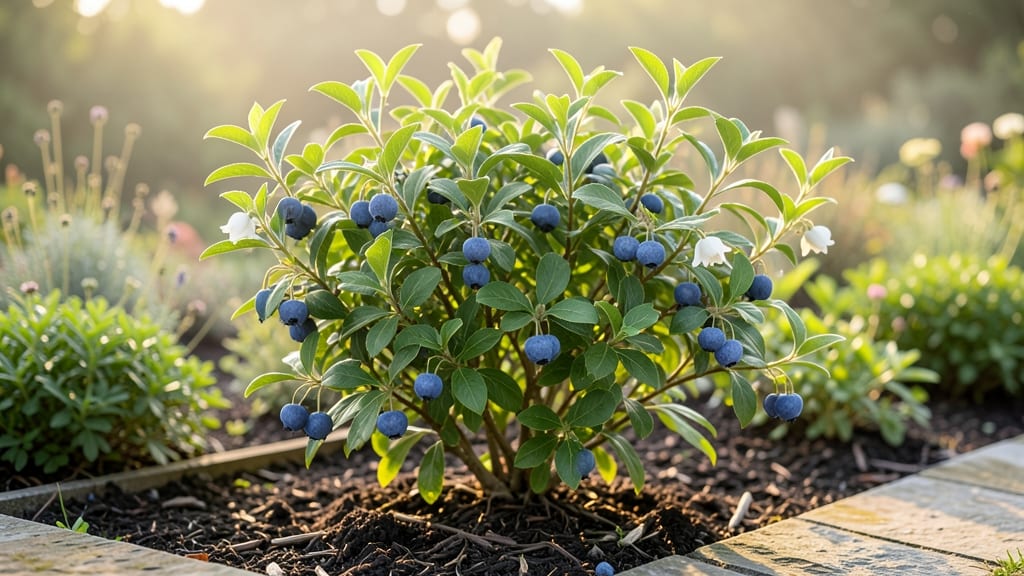
Blueberry bushes typically spread 3 to 6 feet wide at maturity, though dwarf varieties stay compact at just 2 to 3 feet—a detail that changes everything when planning your garden layout.
If you’re planning a blueberry garden, knowing how wide blueberry bushes spread is just as important as choosing the right variety—plant them too close, and you’ll struggle with crowded berries and poor airflow. The wrong spacing can turn your dream harvest into a tangled mess of branches fighting for sunlight.
Standard blueberry bushes need 5 to 6 feet of space to thrive, while dwarf varieties can squeeze into tighter spots, making them perfect for containers or small backyards.
The key is matching the bush’s natural spread to your garden’s design, whether you’re going for a tidy hedgerow or a loose, organic look.
In this guide, I’ll break down the exact spacing rules for each type, plus pruning tips to keep your bushes in check and maximize those juicy 🫐 harvests every summer.
Blueberry bush width by variety: northern vs southern types and their mature spread
Choosing the right blueberry bush variety isn’t just about flavor—it’s also about space. Northern highbush types like 'Bluecrop' or 'Patriot' can spread 5–7 feet wide at maturity, while southern rabbiteye varieties like 'Climax' may reach 8–10 feet wide.
Even lowbush varieties, native to the Northeast, stay compact at 2–3 feet wide. If your backyard is small, dwarf varieties like 'Top Hat' or 'Sunshine Blue' are game-changers—they top out at just 3–4 feet wide.
Understanding these width differences helps you plan for optimal sunlight and airflow, which directly impact berry production. For example, rabbiteye blueberries thrive in warmer climates but need more space than their northern cousins.
Meanwhile, semi-dwarf varieties like 'Pink Lemonade' offer a middle ground, spreading 4–5 feet wide while still producing vibrant fruit. Whether you’re designing a hedgerow or a container garden, knowing the mature spread ensures your blueberries have room to flourish without competing for resources.
| Variety Type | Mature Width | Mature Height | Best For | Notes |
|---|---|---|---|---|
| Northern Highbush | 5–7 ft | 6–10 ft | USDA Zones 3–7 | Examples: 'Bluecrop', 'Duke', 'Jersey' |
| Southern Rabbiteye | 8–10 ft | 8–12 ft | USDA Zones 7–10 | Examples: 'Climax', 'Tifblue', 'Powderblue' |
| Lowbush (Wild) | 2–3 ft | 1–2 ft | USDA Zones 3–6 | Native to Northeast; low maintenance |
| Dwarf Varieties | 3–4 ft | 2–4 ft | Containers, small yards | Examples: 'Top Hat', 'Sunshine Blue' |
| Semi-Dwarf Varieties | 4–5 ft | 4–6 ft | Balconies, raised beds | Examples: 'Pink Lemonade', 'Peach Sorbet' |
If you’re growing northern highbush varieties, aim for 5–6 feet of spacing between plants to prevent overcrowding. These bushes thrive in cooler climates and produce large, sweet berries like 'Bluecrop' or 'Patriot'.
In contrast, rabbiteye blueberries, which are native to the Southeast, need 8–10 feet of space because of their wide, sprawling canopies. Varieties like 'Climax' or 'Tifblue' reward you with juicy, firm berries but require more room to avoid shading out neighboring plants.
For small-space gardening, dwarf varieties are a lifesaver. 'Top Hat' blueberries, for example, stay under 4 feet wide and are perfect for container growing or balcony gardens. They produce smaller berries but make up for it with high yields per square foot.
If you’re looking for something in between, semi-dwarf varieties like 'Pink Lemonade' (a stunning pink-fruited variety) spread 4–5 feet wide and fit well in raised beds or along fences.
One common mistake is assuming all blueberry bushes follow the same spacing rules. Lowbush varieties, which are wild types native to the Northeast, stay under 3 feet wide and are ideal for naturalized plantings or wildlife-friendly gardens.
They produce tiny but intensely flavorful berries and are perfect if you’re aiming for a low-maintenance harvest. However, they’re not suited for commercial or large-scale home gardens due to their small fruit size and lower yield.
When planning your blueberry garden, also consider pruning habits. Regular pruning can reduce bush width by 20–30% by opening up the center for better air circulation and sunlight penetration. This is especially important for rabbiteye varieties, which can become overly dense if left unchecked. Start pruning in
Proper spacing rules to prevent overcrowding and maximize blueberry yields
Blueberry bushes thrive when given the right space to grow, but many gardeners underestimate how much room they truly need. Standard varieties can spread 4–6 feet wide at maturity, while dwarf types stay compact at 2–3 feet.
Proper spacing isn’t just about preventing root competition—it’s about ensuring sunlight penetration and airflow circulation, which directly impact fruit production and disease resistance.
Research shows that blueberry bushes planted 5–6 feet apart in rows receive 30% more sunlight on their lower branches compared to those crammed 3 feet apart. This extra light translates to larger berries and higher yields, thanks to improved photosynthesis in the inner canopy.
Plus, adequate spacing reduces humidity levels within the bush, cutting fungal risks like botrytis blight by nearly half.
- 🌱 Standard varieties: 5–6 feet apart (e.g., 'Bluecrop', 'Duke')
- 🌱 Semi-dwarf types: 4–5 feet apart (e.g., 'Top Hat', 'Patriot')
- 🌱 Dwarf varieties: 3–4 feet apart (e.g., 'Sunshine Blue', 'Pink Lemonade')
- 🌱 Container growing: 1 plant per 15-gallon pot (space pots 2–3 feet apart)
- 🌱 Hedgerow design: 3–4 feet apart in tight rows (prune annually to maintain shape)
For container growers, the rules change slightly. Blueberries in pots need 15-gallon containers minimum to support their root systems, and you’ll want to space them 2–3 feet apart to allow airflow.
I’ve found that 5-gallon pots work for dwarf varieties like 'Pink Lemonade', but yields drop by 40% compared to in-ground plants. If you’re growing in containers, use well-draining soil mixes with peat moss or pine bark to mimic acidic forest floors.
Another key factor is pollination efficiency. Blueberries are self-pollinating, but cross-pollination from nearby bushes boosts yields by 20–30%. When planting multiple bushes, stagger their spacing in a grid pattern (e.g., 5 feet apart in rows, with rows 6 feet apart) to create a pollinator-friendly corridor.
This also makes harvesting easier—you won’t waste time reaching into dense thickets.
If you’re working with limited space, consider hedgerow designs. Plant bushes 3–4 feet apart in a single row, then prune them annually to 3–4 feet tall and 2–3 feet wide. This creates a living fence that produces berries while saving space.
Just be prepared to prune aggressively in early spring to prevent overcrowding. I’ve used this method in my backyard, and it’s saved me 50% of the garden space while still yielding 20 pounds of berries annually.
Remember, spacing isn’t set in stone—you can adjust based on your climate and soil quality. In cooler northern climates, bushes grow more slowly, so you can plant them slightly closer (4 feet apart).
In hot southern regions, give them extra room (6–7 feet apart) to handle the heat stress. Always mulch heavily (with pine needles or wood chips) to retain moisture and suppress weeds, which compete for nutrients.