
Pruning
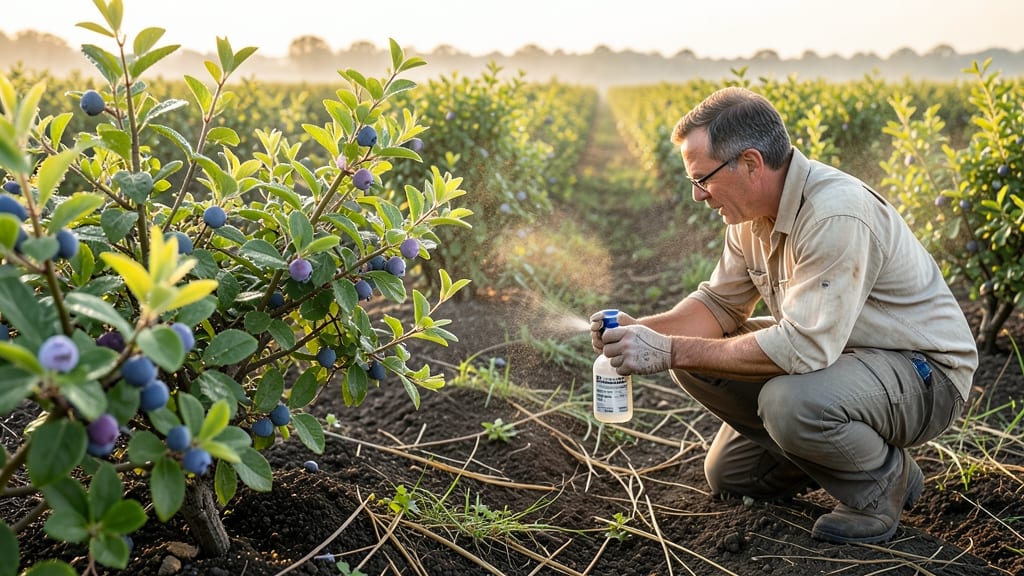
Georgia’s humid climate demands precise timing to maximize blueberry yields. These 10 pruning strategies align with Georgia’s seasons, ensuring healthier bushes and bountiful harvests every year—from winter dormancy to summer fruiting.
Late Winter Dormant Pruning for Southern Georgia
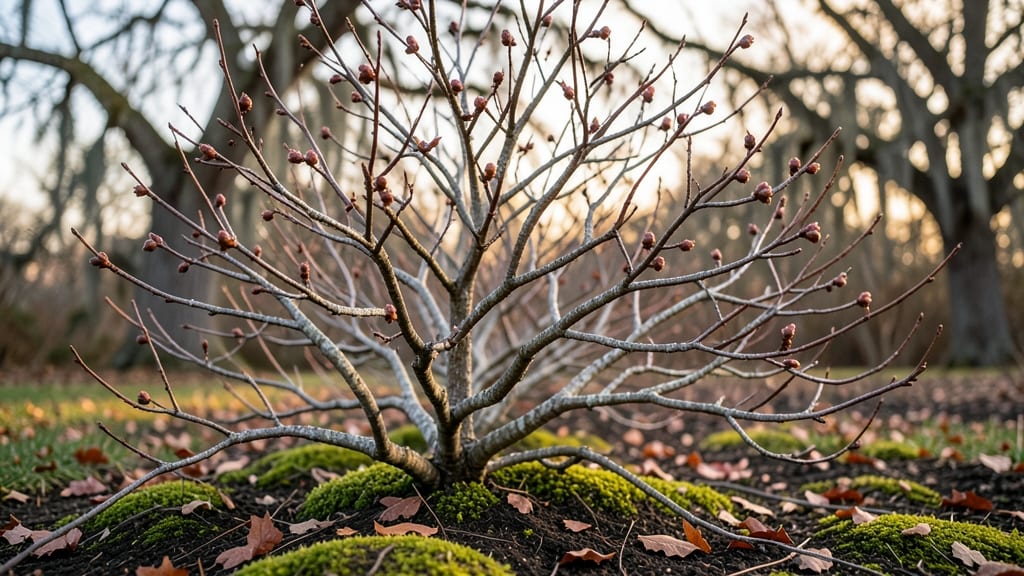
If you live in Southern Georgia’s milder zones like Savannah or Brunswick, February is your prime window for late winter dormant pruning—the secret to jumpstarting your blueberry bushes before spring. This isn’t just about tidying up; it’s about removing dead wood and shaping canes to encourage stronger growth when buds break dormancy.
Start by cutting out last year’s fruit-bearing canes (they’re woody and gray) and any diseased or crossing branches. Focus on opening the center of the bush for better airflow, which prevents fungal issues common in Georgia’s humid climate. Use clean, sharp pruners and make cuts just above a bud or lateral branch—never leave stubs. For established bushes, remove up to one-third of the oldest canes to rejuvenate the plant.
This timing is perfect for Southern Georgia’s extended growing season, where milder winters mean buds can wake up earlier. Gardeners in these areas report 20-30% larger harvests the following year when they prune in February. Don’t wait—your bushes will thank you with vigorous new growth by March! 🌱
Post-Harvest Summer Pruning for North Georgia
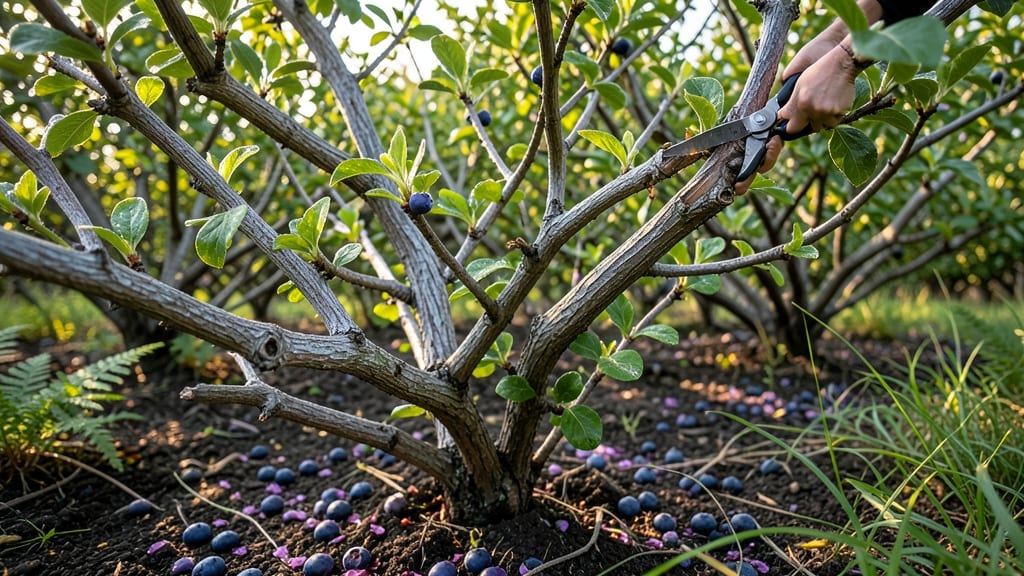
After your July blueberry harvest in North Georgia’s high-altitude regions, resist the urge to skip pruning—this is when you prevent future problems. Light summer trimming after fruiting removes only the oldest canes (those over 5 years old) while leaving current season’s growth intact, which is crucial for regions like Blue Ridge where summers are shorter.
Focus on improving airflow and sunlight penetration by thinning crowded branches by about 20%. Use sharp pruners to make clean cuts just above outward-facing buds, and avoid heavy pruning that could stress bushes during the remaining growing season. This post-harvest approach ensures your bushes stay productive for next year’s crop while preventing fungal issues common in Georgia’s humid summers.
This method is especially valuable for home gardeners in the Blue Ridge Mountains where cooler temperatures limit the growing season. By keeping your bushes open and healthy now, you’ll set them up for maximum fruit production when summer finally arrives. 🌟
Early Spring Renewal Pruning for Coastal Areas
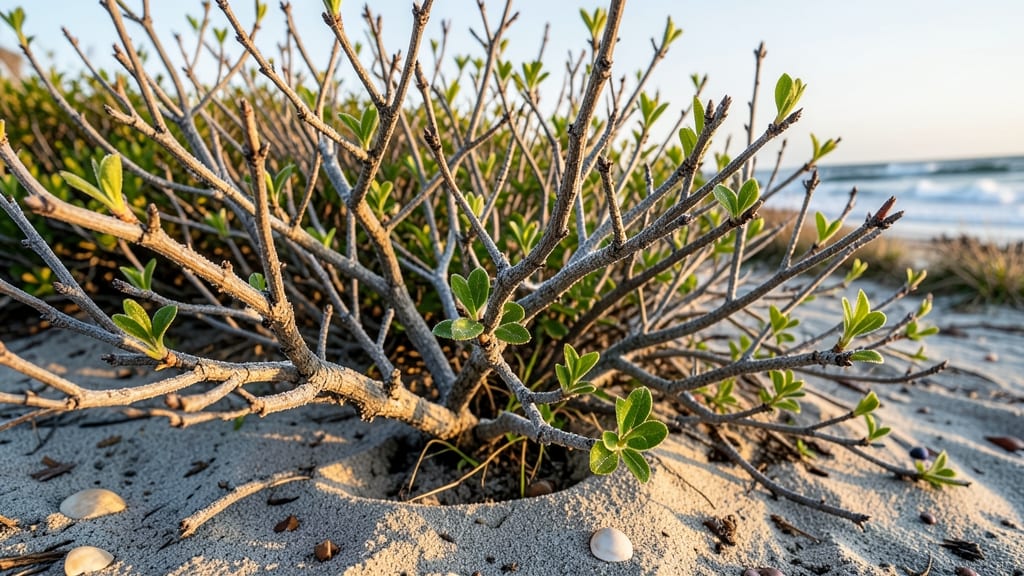
If your coastal blueberry bushes look tired after winter, March is the perfect month to revive them with targeted pruning—especially in salt-stressed areas like Tybee Island. The salty ocean breeze weakens growth, but strategic cuts in early spring can redirect energy toward stronger flowering and fruit production.
Focus on removing last year’s weak, leggy canes (those with sparse foliage) while keeping the bush’s natural shape. Avoid heavy pruning—just trim back 10-20% of the bush to reduce stress. Coastal bushes also benefit from a light mulch afterward to protect roots from wind and salt spray. This renewal period ensures your bushes bounce back with vigor by blooming season.
This method is ideal for coastal gardeners who battle salt damage—giving bushes the fresh start they need to thrive in harsh conditions. 🌿
Fall Canopy Thinning for Atlanta Region
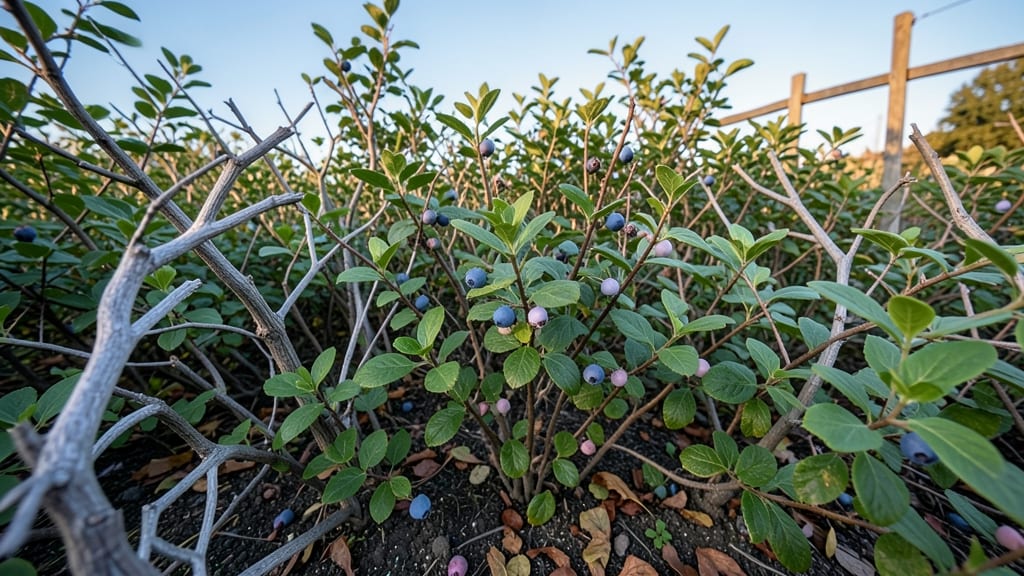
Atlanta’s urban gardens often pack blueberry bushes tightly to maximize space—but that density comes at a cost. By October, those older canes on the outside start shading inner branches, creating a sun-starved center that reduces fruit production. A strategic fall canopy thinning session can transform this problem into a productivity boost.
Focus on removing 3-5 of the oldest canes (those thicker than a pencil) from the bush’s center and outer edges. Use clean, sharp pruners to make cuts just above outward-facing buds, and dispose of the removed canes immediately to prevent disease. This opens up 6-8 hours of sunlight to previously shaded branches, encouraging new growth that will bear fruit next season. Atlanta’s mild autumn temperatures make October the perfect window—cool enough for the bush to recover but warm enough for you to work comfortably.
This method is especially valuable for small-space gardeners and those with high-density plantings, as it maximizes yield without requiring additional space. Plus, the fresh air circulation reduces humidity-related diseases—a common issue in Atlanta’s climate. 🌿
Winter Severity Adjustments for Mountain Gardens
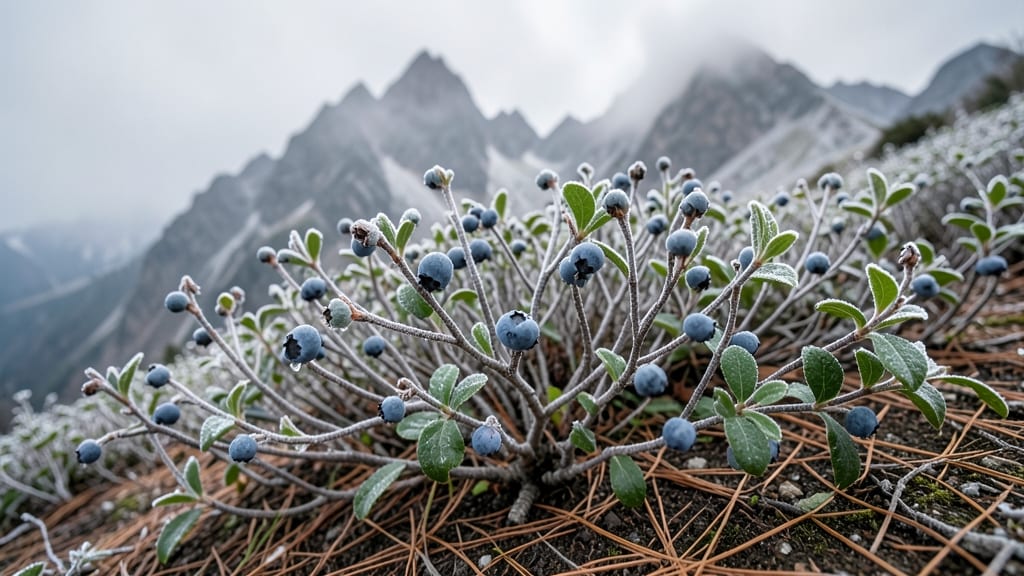
If you garden above 2,000 feet in Georgia’s mountains, January isn’t just a quiet winter month—it’s your last chance to protect blueberry bushes from late frosts that can devastate buds. Unlike milder regions, mountain gardens face wild temperature swings, where a warm spell can trick bushes into blooming only to be hit by sub-freezing nights.
Aggressive pruning in January—cutting back one-third of last year’s canes—reduces the plant’s surface area exposed to frost damage. Focus on removing dead, diseased, or crossing branches first, then thin the center to improve airflow. Use sharp loppers (not dull shears) to make clean cuts just above outward-facing buds. This isn’t just about shaping; it’s about survival.
Mountain gardeners will see the biggest payoff in spring, with stronger new growth and fewer frost-related losses. This method works best for high-elevation zones like the Blue Ridge or Rabun County, where January temperatures can plummet overnight. 🌱
Spring Flowering Preservation Technique
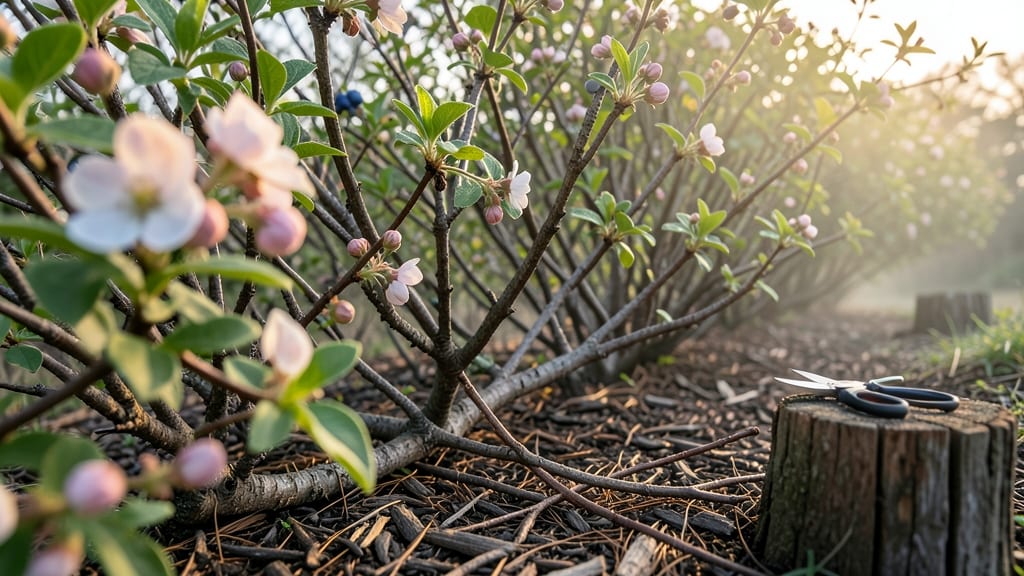
April in Georgia’s Piedmont region means blooms are forming—and pruning too aggressively now can mean fewer berries later. Instead of heavy cuts, focus on preserving those delicate flowers while removing only what’s truly harmful.
Your goal is to remove only diseased, dead, or crossing canes that block sunlight. Use clean, sharp shears to make cuts just above outward-facing buds. This minimal approach protects next year’s fruit while improving airflow to prevent fungal issues. Organic growers will appreciate this method avoids harsh chemicals.
This technique is perfect for organic growers who want to maintain natural pollinator habitats while keeping bushes productive. Just a few strategic cuts in April can mean a fuller harvest come summer. 🌻
Mid-Summer Rejuvenation for Overgrown Bushes
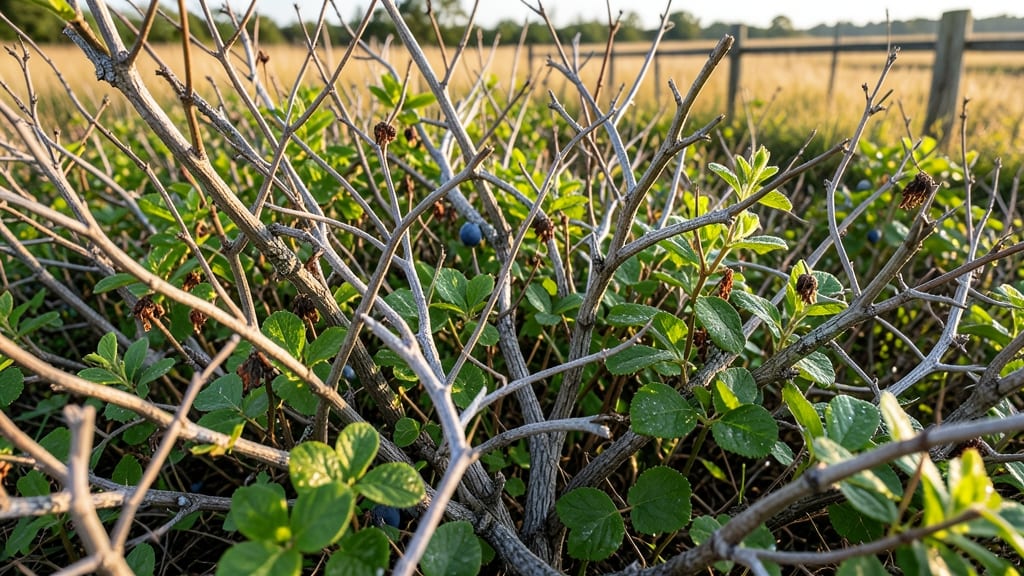
Your blueberry bushes might look like wild vines by mid-summer, but July-August is the perfect time to revive them—especially in Macon’s intense heat. This isn’t just cleanup; it’s a strategic reset that boosts next year’s harvest by removing overcrowded, non-fruiting canes that compete for energy.
Focus on cutting back older canes (5+ years old) at ground level while leaving younger, vibrant growth. Sterilize your pruners with rubbing alcohol to prevent disease spread in Georgia’s humid climate. Limit cuts to 20-30% of the bush to avoid shocking the plant—think of it as a spa day for stressed shrubs.
This method is ideal for home gardeners who’ve let bushes grow unchecked, giving them a second chance to thrive before winter. Your bushes will reward you with stronger growth and bigger harvests next season. 🌻
Autumn Disease Prevention Pruning
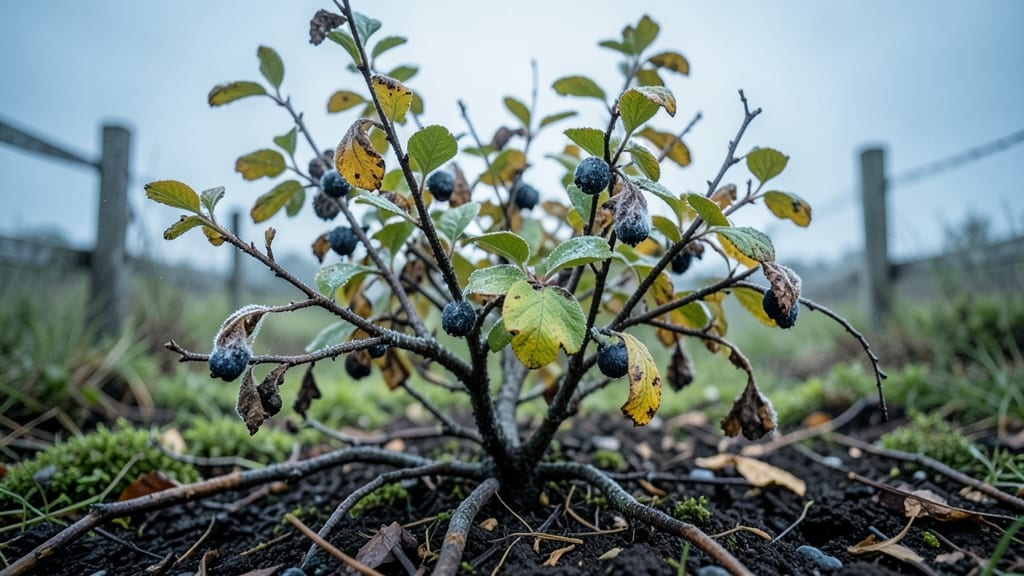
If your blueberry bushes look like they’re battling fungal foes this fall, September is your last chance to stop the spread before spores take over. Humid areas like Savannah turn into disease hotspots after summer rains, making this critical timing for preventive pruning.
Focus on removing all infected leaves, twigs, and canes—even small signs of brown spots or mold. Sterilize your pruners between cuts with rubbing alcohol to prevent cross-contamination. Thin the canopy by 20-30% to improve airflow, which naturally reduces humidity at the bush’s core. For extra protection, apply a copper fungicide to cuts and surrounding soil after trimming.
This proactive step saves your bushes from winter decline and sets them up for stronger spring growth. Gardeners in coastal Georgia will see the biggest benefits from this disease-blocking strategy. 🌿
Winter Root Zone Aeration Technique
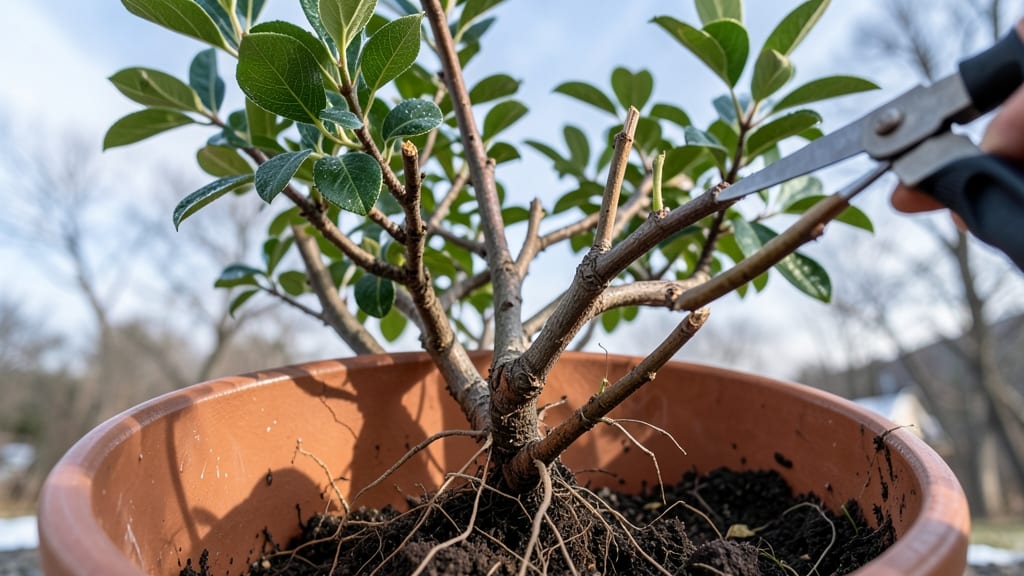
If your blueberry bushes live in containers around Athens, February is your secret weapon for year-round vitality. While most gardeners focus on pruning above ground, the real magic happens below—where compacted soil stifles roots and limits harvests.
Combine light pruning (removing 1/3 of oldest canes) with soil aeration using a hand fork to break up dense potting mix. This boosts oxygen flow to roots, which struggle in Athens’ urban microclimates where containers dry out faster. Water thoroughly after aerating to help roots expand into the loosened soil.
This technique is especially valuable for urban gardeners with limited space—it revives struggling bushes and extends their productive lifespan by 3-5 years. Try it this February for bushes that thrive all season long. 💡
Spring Growth Regulator Pruning

If you're a commercial grower in Georgia’s Wiregrass region aiming for year-round blueberry production, growth regulator pruning in March-April is your secret weapon. This technique uses hormonal treatments to delay dormancy and extend the fruiting window, letting you harvest berries well beyond the typical summer peak.
Apply dormant-season growth regulators (like hydrogen cyanamide or paclobutrazol) after your late-winter dormant pruning but before buds swell. This stimulates delayed but synchronized flowering, pushing harvests into fall when market prices often rise. For best results, combine with light structural pruning to remove only water-sprouted canes—never more than 25% of the canopy—to avoid stressing the bush.
This method is ideal for large-scale operations targeting extended harvest windows, but even home growers can benefit by timing pruning to match local frost-free periods. Just be sure to follow label instructions for application rates—overuse can reduce yields. 🌟