
Pruning
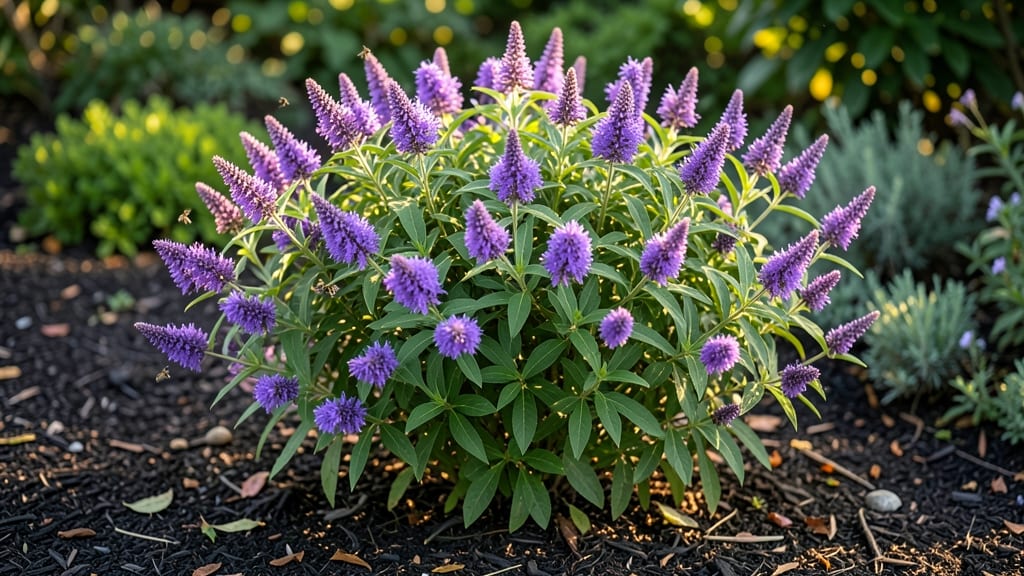
Your young butterfly bush could bloom nonstop this year—if you prune it the right way. ✨ The secret lies in understanding how these fast growers respond to cuts, and it’s simpler than most gardeners think.
I’ve pruned mine for three seasons now, and the difference between a leggy, sparse bush and one covered in fragrant purple blooms comes down to timing and technique.
Start by giving your plant the perfect foundation: full sun, well-draining soil, and consistent watering. Butterfly bushes thrive when planted in spring or early fall, giving roots time to establish before extreme heat or cold.
The first year is all about growth, not flowers—so focus on keeping the soil moist but not soggy and watch for those first 6-12 inch shoots.
Once established, you’ll only need two pruning sessions a year: a light cleanup in early spring to shape the plant, and a harder cutback in late winter to remove dead wood.
This keeps your bush compact, encourages dense foliage, and ensures those signature blooms appear from June through frost. The key? Never cut back more than one-third of the plant at once.
Pests rarely bother young bushes, but watch for aphids or spider mites—spray with water or neem oil if you spot them. With the right care, your butterfly bush will become the most visited spot in your garden, drawing butterflies and hummingbirds by the dozens.
Ready to transform that skinny sapling into a blooming powerhouse?
📚 In This Guide
- What you need
- Instructions
- Tips and common mistakes
- Wrapping up and next steps
What you need
- ● Pruning shears: Bypass pruners (sharp, clean, and sterilized with rubbing alcohol to prevent disease). Pro tip: 💡 Avoid dull blades—they crush stems instead of cleanly cutting!
- ○ Loppers: For thicker stems (up to 1-inch diameter). Optional: A pruning saw for stubborn branches.
- ● Gloves: Heavy-duty gardening gloves to protect hands from thorns and sap.
- ● Disposable pruning bags: 2–3 medium-sized bags (13-gallon capacity) to collect clippings.
- ● Rake or leaf blower: To clear debris after pruning.
- ● Hose with nozzle: For rinsing tools and cleaning up sap.
- ● Weather window: Choose a dry, overcast day (avoid pruning when rain is forecasted within 24 hours).
- ○ Safety gear: Optional but recommended: Safety glasses (if your bush is near power lines or dense foliage).
- ● Plant health check: Inspect the bush for signs of pests/disease (e.g., black spots, wilting). Pro tip: 🌡️ If diseased, sterilize tools before and after pruning!
- ● Water source: A bucket or hose nearby to hydrate the plant post-pruning (if needed).
Step-by-step instructions for pruning a young butterfly bush
Here's how I keep my butterfly bush blooming nonstop with simple, seasonal cuts.
✂️ Step 1: Start With Early Spring Cleanup
Wait until after the last frost when new growth appears—usually late February to early March in most climates. Remove any dead, brown stems by cutting them back to healthy green wood. You'll know a branch is dead if it feels mushy inside when you snap it.
Don't cut into old wood—look for fresh, vibrant green growth where new buds are forming. I like to make clean cuts just above a leaf node or outward-facing bud. This encourages the plant to branch out rather than grow tall and leggy.
☀️ Step 2: Light Summer Pruning for Airflow
After the first flush of flowers fades, prune back one-third of the oldest stems to the ground. This keeps the plant compact and prevents overcrowding. I always do this in late June or early July when the plant has finished its main flowering cycle.
Watch for stems that cross or rub against each other—these should be removed completely. Thin out crowded areas to improve airflow, which prevents fungal diseases. You'll see new side shoots emerge within 2-3 weeks from where you made your cuts.
✂️ Step 3: Fall Renewal for Next Year's Blooms
In October or November, before the first hard frost, give your butterfly bush a final trim. Remove any weak, spindly growth that didn't flower well this season. Cut these stems back to a strong lateral branch or bud.
Leave the remaining stems intact—they'll provide winter protection for next year's buds. I never cut into old wood in fall, as this can expose the plant to cold damage. The goal here is to shape the plant while preserving its energy stores for spring.
⏰ Step 4: Minimal Winter Maintenance
During winter, your only task is to remove any dead or frozen branches that appear in late winter. These are easy to spot—they'll be completely brown and brittle. Cut them back to live wood immediately to prevent disease from spreading.
Don't prune heavily in winter unless absolutely necessary. Butterfly bushes are tough and can handle some winter dieback. The plant's natural dormancy period helps it store energy for the next growing season.
Tips & tricks for pruning a young butterfly bush
Keeping your butterfly bush thriving takes just a few smart cuts at the right times. Here's what I've learned after years of watching mine bloom like crazy.
Timing is Everything: The late February to early March window for spring cleanup is critical—waiting too long means you'll cut into next year's buds. I mark my calendar for the last frost date in my zone and set a reminder. If you miss spring, don't worry—just wait for new growth to appear before pruning. The plant's natural growth cycle will guide you.
The One-Third Rule: When you prune back one-third of the oldest stems in late June or early July, you're not just cleaning up—you're making room for new, vigorous growth. I always look for stems that are thinner than a pencil and have fewer leaves. These are the ones that need to go. The remaining two-thirds will grow fuller and produce more flowers next season.
Shape Matters: Butterfly bushes naturally grow in an open, airy shape. When you make cuts just above a leaf node or outward-facing bud, you're encouraging the plant to fill out rather than grow tall and leggy. Think of it like training a dog—you're guiding where the plant puts its energy. I like to step back and visualize the plant's shape after each cut to make sure it's balanced.
Winter's Gentle Touch: That late winter cleanup is about damage control, not shaping. Only remove completely dead or frozen branches—these are easy to spot as they'll be brown and brittle. The plant's natural dormancy period is when it stores energy for next year's blooms, so don't overdo it. I've seen people cut back too much in winter and end up with sparse growth the following spring.
Pro Tips for Young Butterfly Bush
- Keeping your butterfly bush thriving takes just a few smart cuts at the right times.
- Timing is Everything: The late February to early March window for spring cleanup is critical—waiting too long means you'll cut into next year's buds.
- The One-Third Rule: When you prune back one-third of the oldest stems in late June or early July, you're not just cleaning up—you're making room for new, vigorous growth.
Frequently asked questions
Got questions about keeping your young butterfly bush thriving with minimal pruning?
Here are answers to the most common ones—so you can enjoy those vibrant blooms all year!
How often should I prune a young butterfly bush?
A young butterfly bush (Buddleia) typically needs light pruning once a year—ideally in late winter or early spring before new growth starts. Avoid heavy pruning in its first year; just trim dead or damaged stems. Once established (after 2–3 years), you can prune more aggressively to shape it and encourage blooms.
Can I prune my butterfly bush in summer?
Yes, but lightly! Summer pruning is best for shaping or removing spent flowers to encourage more blooms. Avoid heavy cuts—this can stress the plant and reduce fall blooms. If you must prune heavily, do it in early summer before the main flowering season peaks.
What if my butterfly bush isn’t blooming much?
Poor blooming often stems from over-pruning or not enough sunlight. Ensure it gets 6+ hours of sun daily and prune only to remove dead wood or shape. If it’s young, be patient—it may take 2–3 years to establish. A balanced fertilizer in spring can also help!
Is butterfly bush pruning different in cold climates?
Yes! In colder zones (USDA 5–7), prune after the last frost but before new growth starts. Cut back by ⅓ to ½ to protect tender stems. In warmer climates, prune in late winter to avoid frost damage. Always use sharp, clean tools to prevent disease.
Are there alternatives to butterfly bush for pollinators?
If you’re concerned about invasiveness, try butterfly weed (Asclepias tuberosa), bee balm (Monarda), or coneflowers (Echinacea). These are native-friendly, low-maintenance, and just as attractive to butterflies and bees. Plus, they’re easier to prune!
Wrapping up and next steps
Pruning your young butterfly bush doesn’t have to be a daunting task—just a little love and timing can unlock a year-round spectacle of vibrant blooms! 🌸 With the right tools, seasonal care, and a gentle hand, you’ll keep your plant thriving while attracting pollinators like a magnet.
Whether you’re trimming for shape, health, or more flowers, remember: confidence grows with practice.
Ready to take the next step? Grab your pruners and schedule that first trim—your butterfly bush (and local butterflies!) will thank you. For extra inspiration, check out our pruning calendar or join a gardening community to share your progress. Happy pruning! ✂️🌿