
Pruning
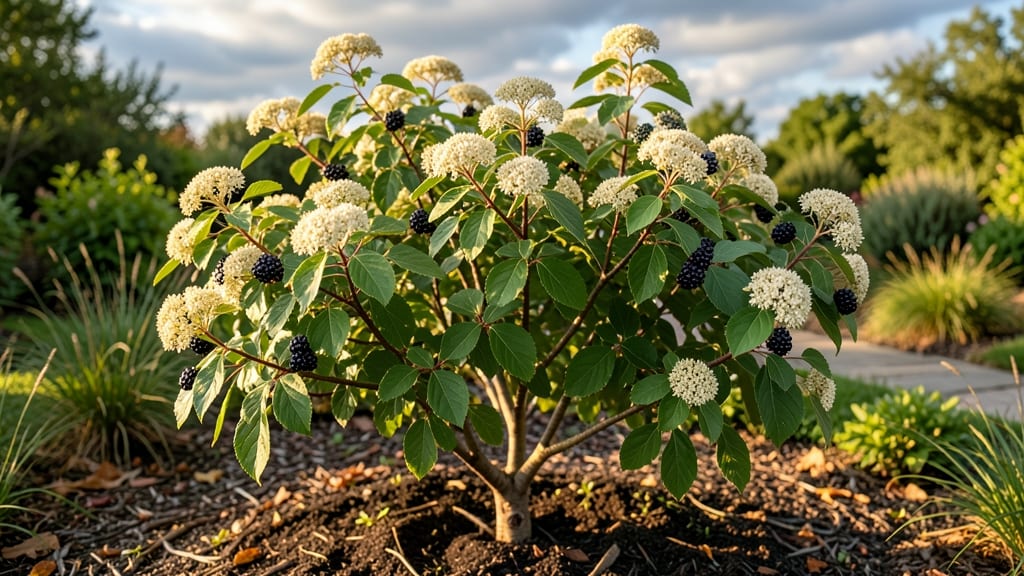
Pruning a York elderberry bush transforms it from a wild tangle into a vibrant, productive shrub that feeds birds and yields berries for jams. 🌿 I’ve pruned mine every season for five years, and the difference is night-and-day—thicker canopies, more fruit, and fewer pests.
The key isn’t just cutting back; it’s understanding when and why to shape it.
Start with the right tools: sharp pruners for clean cuts and a ladder if your bush is over 6 feet tall. York elderberries bloom on new wood, so late winter or early spring is ideal for major pruning.
Remove dead, crossing, or weak branches first, then thin out crowded stems to improve airflow—this cuts down on fungal diseases like powdery mildew.
By summer, you’ll see the payoff: lush green foliage and clusters of tiny white flowers that’ll turn into deep purple berries. The bush stays compact if you prune aggressively in early spring, or you can let it grow wild for a natural, multi-stemmed look.
Just don’t skip the annual cleanup—neglected bushes get leggy and produce fewer berries.
Works for hedges, privacy screens, or even container growing if you prune regularly. The berries are edible (cook them first!) and attract pollinators like bees and butterflies. Here’s how to keep yours thriving year-round.
📚 In This Guide
- What you need
- Instructions
- Tips and common mistakes
- Wrapping up and next steps
What you need
- ● Pruning shears: Bypass pruners (sharp, 6–8" blades) for small branches.
- ● Loppers: 1 pair (18–24" blades) for thicker branches (½"–1.5" diameter).
- ● Pruning saw: 1 (for branches >1.5" thick; curved blade preferred).
- ● Gloves: Heavy-duty, cut-resistant (e.g., leather or synthetic mesh).
- ● Disinfectant: 70% isopropyl alcohol or 10% bleach solution (1 part bleach to 9 parts water) for sterilizing tools.
- ● Rake or broom: For clearing debris after pruning.
- ○ Twine or zip ties: (Optional) To secure branches during heavy pruning.
- ● Timing: Prune in late winter/early spring (before buds swell) or summer (after fruiting). Avoid pruning in fall.
- ● Weather: Choose a dry, overcast day to minimize stress on the bush.
- ○ Safety gear: Safety glasses (optional, for debris-prone areas).
- ● Knowledge: Familiarize yourself with your elderberry bush’s growth habits (York varieties thrive with open canopies).
- ● 🔥 Sterilize tools between cuts to prevent disease spread (e.g., elderberry leaf spot).
- ● ✂️ Cut at a 45° angle just outside the branch collar (the swollen area where the branch meets the trunk).
- ● 🌡️ Remove no more than 25% of foliage in one session to avoid shocking the plant.
Step-by-Step guide to pruning your York elderberry bush
Here’s the method I’ve used for years to keep my York elderberry bushes full, productive, and healthy—no guesswork involved.
✂️ Step 1: Prune for Structure in Late Winter (Before Bud Break)
Start in late winter when the bush is still dormant but just before new growth begins—usually February or March in most climates. This is when the plant’s energy is stored, and you won’t risk damaging fresh shoots. Grab your clean, sharp pruners (sterilized with rubbing alcohol) and remove dead, diseased, or crossing branches first. These are easy to spot—they’re brown, brittle, or growing inward toward the center.
Next, thin out overcrowded branches to improve airflow. Aim to leave 3-5 main branches spaced evenly around the bush. York elderberries thrive with an open center, so avoid letting branches grow too close together. Cut back any that are rubbing against each other—this prevents wounds where pests or disease can enter. I like to step back every few cuts to visualize the shape; you’re sculpting, not hacking.
☀️ Step 2: Encourage Airflow and Light Penetration in Early Spring
Once the bush starts leafing out in early spring, focus on thinning the canopy to let sunlight reach the center. Remove weak, spindly growth—these are the branches that stretch toward the light but never thicken. You’ll know them by their thin stems and sparse leaves. Cut them back to a strong lateral branch or all the way to the main stem if needed.
Prune one-third of the oldest wood this season to stimulate new growth. York elderberries fruit on both old and new wood, so don’t remove too much at once. Look for branches that are thicker than a pencil—these are the ones that need selective thinning. Leave 3-4 years of growth on the bush at all times to ensure a steady berry harvest. Water deeply after pruning to help the plant recover.
✂️ Step 3: Light Pruning After Harvest to Maintain Shape
After the berries are picked in late summer or early fall, do a light maintenance prune to tidy up the bush. Remove any suckers (shoots growing from the base) or water sprouts (fast-growing vertical shoots). These divert energy from fruit production. Also, trim back any branches that grew too long or leggy during the season—cut them back to a bud facing outward to encourage bushier growth next year.
This is also the time to shape the bush for winter. York elderberries benefit from a rounded, vase-like form, so angle cuts slightly above a bud that points outward. Avoid heavy pruning now—you don’t want to stress the plant before dormancy. A quick once-over keeps the bush neat and sets it up for another productive year.
⏰ Step 4: Clean Up and Protect in Late Fall
In late fall, after the leaves have dropped, do a final sanitation prune. Remove all dead or damaged branches—these can harbor pests or disease over winter. Rake up and dispose of fallen leaves and debris to reduce fungal risks. Sterilize your pruners again with rubbing alcohol to prevent spreading pathogens.
Apply a 2-3 inch layer of mulch (like shredded bark or wood chips) around the base of the bush, but keep it 2 inches away from the trunk to prevent rot. This insulates the roots and retains moisture. York elderberries are hardy, but a little winter protection goes a long way in colder climates. Avoid pruning now—let the bush rest until late winter.
Tips & tricks for pruning York elderberry bushes
Real talk: Pruning elderberries isn't just about cutting branches—it's about shaping a bush that thrives for decades. Here's what I've learned after years of trial and error.
Timing is Everything: That late winter timing in Step 1 isn't arbitrary—it's when the plant's energy is stored in its roots. Pruning too early can damage emerging buds, while waiting too long risks encouraging new growth that might get nipped by frost. I've found that if you're in a warmer climate, you can stretch this window into early March, but never let those buds start swelling. The key visual cue is when the forsythia blooms nearby—time to prune before that happens.
Tool Prep Prevents Problems: Clean, sharp pruners aren't optional—they're essential. I sterilize mine with rubbing alcohol between every bush to prevent spreading disease. Dull tools crush stems instead of making clean cuts, which creates entry points for pests. For larger branches, I use loppers with a bypass blade (the curved blades that cut past each other) rather than anvil pruners (the flat blades that crush). This makes a cleaner cut that heals faster.
Visualize the Shape: Step back every few cuts to check your progress—you're sculpting, not hacking. York elderberries naturally grow in a rounded, vase-like form. I imagine an upside-down cone when shaping mine. The goal is to leave the strongest branches evenly spaced around the center. If you're unsure which branches to keep, look for ones that are thicker than a pencil and have good leaf coverage. Thin branches that grow straight up or inward should go.
Post-Prune Care Matters: After your major pruning in Step 2, give the bush a deep watering to help it recover. I've noticed that elderberries often show new growth within 2-3 weeks after spring pruning. This is normal and healthy! Just avoid heavy fertilizing right after pruning—the plant needs to focus on healing its wounds first. A light layer of mulch (2-3 inches) around the base helps retain moisture without smothering the trunk.
Pro Tips for York Elderberry Bush
- Real talk: Pruning elderberries isn't just about cutting branches—it's about shaping a bush that thrives for decades....
- Timing is Everything: That late winter timing in Step 1 isn't arbitrary—it's when the plant's energy is stored in its...
- Tool Prep Prevents Problems: Clean, sharp pruners aren't optional—they're essential. I sterilize mine with rubbing al...
Frequently asked questions
Got questions about pruning your York elderberry bush?
Here are some of the most common ones—plus quick answers to keep your plant thriving year-round.
When is the best time to prune a York elderberry bush?
The ideal times are late winter or early spring (before buds swell) or right after harvest (late summer). Avoid pruning in fall—it can stimulate new growth that won’t harden off before winter. For container-grown bushes, prune anytime except extreme cold or heat.
Can I prune my York elderberry in winter?
Pruning in mild winters (temperatures above 20°F/-7°C) is fine, but avoid heavy cuts. Focus on dead or crossing branches—never remove more than 25% of the canopy at once. If frost is forecast, wait until spring to prevent stress on the plant.
How much should I cut back a York elderberry bush?
For established bushes, remove 1/3 of the oldest wood (usually the thickest, woody stems) to encourage new growth. For young plants, trim back by 1/4 to shape. Never cut into the main trunk—this can harm the plant’s health.
What do I do if my York elderberry isn’t producing berries?
Poor berry production often stems from over-pruning or lack of sunlight. Ensure your bush gets 6+ hours of sun daily and prune lightly to maintain an open canopy. If the plant is young, be patient—it may take 2–3 years to bear fruit. Fertilize with high-potassium soil amendments in spring.
Are there alternatives to York elderberry for pruning ease?
If York elderberry feels too high-maintenance, try American elderberry (Sambucus canadensis) or European elderberry (Sambucus nigra). Both are hardy, disease-resistant, and easier to shape. For low-maintenance shrubs, consider serviceberry (Amelanchier) or honeyberry (Lonicera caerulea)—they’re pruning-friendly and berry-producing!
Wrapping up and next steps
Pruning your York elderberry bush isn’t just about aesthetics—it’s the key to unlocking vibrant growth, bountiful harvests, and long-term health. 🌿 Whether you’re trimming for shape, boosting fruit production, or preventing disease, the right techniques (and timing!) make all the difference.
With the tools and tips you’ve learned, you’re now equipped to transform your elderberry into a thriving, picturesque centerpiece.
Ready to roll up your sleeves? Start small—pick one season’s pruning tasks this month, observe your bush’s response, and adjust as you go. Happy pruning leads to happy berries! 🍇 Next up: Monitor your bush post-prune and celebrate those first fresh berries of the season.