
Shrubs
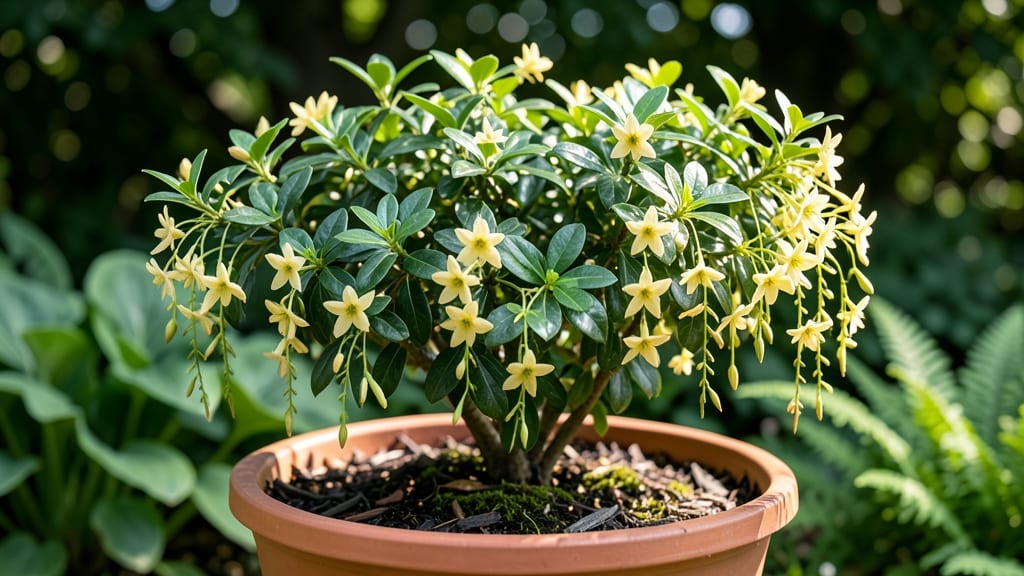
Growing a yellow jasmine bush means waking up to a garden that smells like sunshine. 🌸 I've learned the hard way that this fragrant shrub thrives with just the right balance of sun, soil, and a little patience—no fancy tricks required.
The key is understanding its needs so you can enjoy those intoxicating blooms all year long, with minimal fuss. This evergreen beauty loves morning sun and afternoon shade, tolerates most well-draining soils, and only needs water when the top inch feels dry.
Prune lightly after flowering to keep it lush, and watch it reward you with vibrant yellow clusters that perfume the air.
Whether you're in a warm climate where it stays perennially green or a cooler zone where it drops leaves in winter, the fragrance lingers—making it worth every bit of care.
📚 In This Guide
- What you need
- Instructions
- Tips and common mistakes
- Wrapping up and next steps
What you need
- ● Yellow jasmine plants (1–3, depending on desired bush size): Nursery-grown Trachelospermum asiaticum (recommended for faster results)
- ● OR seeds (slower to mature; requires stratification)
- ● Well-draining potting mix or garden soil (5–10 lbs): Mix with perlite or sand (1 part perlite to 3 parts soil) for aeration
- ● pH level: 6.0–7.0 (slightly acidic to neutral)
- ● Containers or garden bed: For pots: 12–18" diameter (1 per plant)
- ● For garden beds: Full sun to partial shade (6+ hours of light)
- ○ Organic fertilizer (balanced, 10-10-10 or 20-20-20, optional but helpful)
- ● Mulch (2–3 inches of wood chips or pine straw)
- ● Garden trowel or shovel
- ● Pruning shears (sterilized with rubbing alcohol)
- ● Watering can or hose with a gentle spray nozzle
- ● Gloves (to protect hands from thorns)
- ○ Optional: Soil moisture meter, trellis (for climbing support), or stakes
- ● 🌡️ Climate: USDA Zones 7–11 (hardy to 10°F; may need winter protection in colder zones)
- ● 💧 Watering schedule: Deep watering 2–3 times per week (adjust for drought)
- ● 🕒 Patience: Seeds take 2–3 years to flower; cuttings root in 4–6 weeks
Step-by-step instructions for planting and caring for yellow jasmine bushes
Here’s how to establish your fragrant yellow jasmine bushes so they thrive with minimal fuss.
🪴 Step 1: Choose the Perfect Planting Spot
Yellow jasmine (Trachelospermum jasminoides) loves full sun to partial shade—at least 6 hours of direct sunlight daily for best blooming. I always pick a location with shelter from strong afternoon winds, which can tear delicate flowers. A south- or west-facing wall or fence works perfectly, as it provides warmth while shielding from harsh elements.
Check the soil drainage before planting. Yellow jasmine hates soggy roots, so if your soil stays wet for more than a day after rain, amend it with 2-3 inches of compost or plant in a raised bed. The ideal spot also has well-draining, slightly acidic soil (pH 6.0-7.0)—you can test this with a simple soil kit if unsure.
🌱 Step 2: Plant Your Yellow Jasmine Bushes
Dig a hole twice as wide as the root ball but only as deep—planting too deep suffocates the roots. Gently loosen the roots if they’re circling in the container, then place the bush in the hole so the top of the root ball sits level with the surrounding soil. This prevents water from pooling around the stem, which causes rot.
Backfill with native soil mixed with 1 part compost to give your plant a nutrient boost. Water deeply right after planting to settle the soil and remove air pockets. You’ll know it’s done when the soil surface looks slightly compacted but still allows water to drain freely.
☀️ Step 3: Water and Mulch for Long-Term Health
Water your yellow jasmine deeply once a week during the first growing season, ensuring the soil is moist 6 inches down. After that, it’s drought-tolerant but still needs 1 inch of water per week—more in extreme heat. The key is consistency: let the top 2 inches of soil dry out between waterings to encourage strong root growth.
Spread 2-3 inches of organic mulch (like shredded bark or pine needles) around the base, keeping it 2 inches away from the stem to prevent rot. Mulch locks in moisture, regulates soil temperature, and keeps weeds at bay. Refresh it annually as it breaks down.
✂️ Step 4: Prune Lightly for Bushier Growth
Yellow jasmine blooms on new wood, so you can prune anytime—just avoid cutting into old wood if you want flowers. I prune mine once in early spring (just as new growth starts) and again after blooming to shape the bush. Use clean, sharp pruners to make cuts just above a leaf node at a 45-degree angle for faster healing.
Remove any dead, diseased, or crossing branches first. Then, trim back overgrown stems by one-third to encourage bushier growth. Avoid heavy pruning—this plant thrives with minimal intervention, and aggressive cuts can stress it. You’ll see new, vibrant growth within 2-3 weeks of pruning.
🌿 Step 5: Fertilize and Protect for Year-Round Blooms
Feed your yellow jasmine in early spring with a balanced, slow-release fertilizer (10-10-10) or an organic option like composted manure. Follow the package rates—over-fertilizing leads to lush foliage but fewer flowers. Water deeply after applying to help nutrients reach the roots.
Watch for aphids or spider mites, which love the tender new growth. Spray infested areas with neem oil or a soapy water solution (1 tsp mild dish soap per quart of water) if you spot sticky residue or tiny webs. A strong blast of water from the hose often dislodges pests too. With proper care, your yellow jasmine will reward you with year-round fragrance and lush greenery.
Tips & tricks for perfect yellow jasmine bush growth
Common pitfalls—and how to sidestep every one when growing these fragrant beauties.
Location is Everything: That 6 hours of direct sunlight is non-negotiable for blooming, but here's what nobody tells you—morning sun is better than harsh afternoon rays. If you must plant in partial shade, choose the shadiest part of a south-facing wall rather than a north-facing spot. I learned this the hard way after my first jasmine struggled in deep shade for months.
Root Ball Placement Matters: When planting, don't just eyeball the depth—use a level to ensure the top of the root ball sits exactly level with the surrounding soil. Too high and roots dry out; too low and they rot. I use a small piece of wood as a reference line when planting multiple bushes to keep everything consistent.
Watering Wisdom: The 1 inch per week rule is perfect, but timing matters more than quantity. Water in the morning so leaves dry quickly—this prevents fungal diseases that thrive in damp foliage. I set a reminder on my phone for the same time each week to avoid forgetting, especially during summer when plants need more frequent attention.
Pruning Precision: Those 45-degree angle cuts aren't just for looks—they help water run off the cut surface instead of pooling. After pruning, I always wipe my pruners with rubbing alcohol between cuts to prevent spreading any potential diseases hiding in the plant. And remember: you can't over-prune yellow jasmine, but you can stress it with too much at once.
Pro Tips for Yellow Jasmine Bush
- Common pitfalls—and how to sidestep every one when growing these fragrant beauties.
- Location is Everything: That 6 hours of direct sunlight is non-negotiable for blooming, but here's what nobody tells you—morning sun is better than harsh afternoon rays.
- Root Ball Placement Matters: When planting, don't just eyeball the depth—use a level to ensure the top of the root ball sits exactly level with the surrounding soil.
Frequently asked questions
How fast does a yellow jasmine bush grow, and how big will it get?
A yellow jasmine bush (Trachelospermum jasminoides) grows at a moderate pace, adding about 12–24 inches per year. With proper care, it typically reaches 6–10 feet tall and wide, making it ideal for hedges or privacy screens. Prune annually to control size and encourage bushier growth!
Does yellow jasmine need a lot of water, or is it drought-tolerant?
Once established, this shrub is drought-tolerant but thrives with regular watering (1–1.5 inches per week) during its first year. Pro tip: Mulch around the base to retain moisture and reduce watering needs. Avoid soggy soil—yellow jasmine hates "wet feet"!
Can yellow jasmine survive winter in cold climates?
This shrub is hardy in USDA Zones 7–10. In colder areas (Zone 6 or below), protect it with mulch and wrap young plants in burlap over winter. Older bushes often bounce back after a hard freeze, but new growth may be slower to return in spring.
What pests or diseases should I watch for in my yellow jasmine bush?
Common issues include:
- Spider mites (tiny webs on leaves) – Spray with water or neem oil.
- Scale insects (sticky residue) – Wipe with rubbing alcohol-soaked cotton.
- Fungal leaf spot (brown spots) – Improve airflow and avoid overhead watering.
Can I grow yellow jasmine in a container, or is it better in the ground?
Yes! It thrives in containers (use a 15+ gallon pot) with well-draining soil. Just ensure it gets 6+ hours of sunlight and water consistently. Bonus: Container-grown bushes are easier to move if you need to adjust their location!
Wrapping up and next steps
Growing a yellow jasmine bush is a rewarding way to enjoy year-round fragrance with minimal effort—perfect for gardeners of all levels! 🌿 With the right soil, sunlight, and a little pruning, you’ll have a thriving, aromatic shrub that brightens any space.
Whether you’re a beginner or a seasoned gardener, this low-maintenance plant is a fantastic addition to your landscape.
Ready to dive in? Start by gathering your supplies, then follow our step-by-step guide to planting and caring for your yellow jasmine bush. Before you know it, your garden will be filled with sweet, citrusy blooms—and the compliments from neighbors! 🌸
Next steps:
- Pick your preferred variety (like Jasminum mesnyi or Jasminum nudiflorum).
- Check your local climate and planting zone for best results.
- Grab your tools and get planting—your fragrant oasis awaits!