
Shrubs
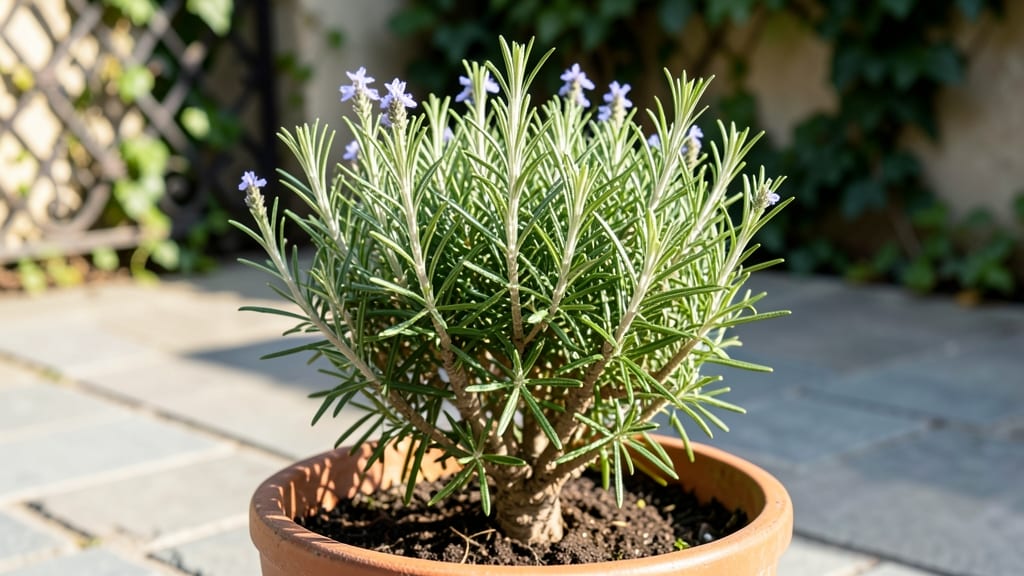
Growing a small rosemary bush means fresh herbs on your windowsill or patio year-round—no overgrown shrub required. 🌿 I’ve kept mine compact for five years using simple pruning tricks that turn leggy growth into a tidy, productive plant.
The secret isn’t fancy tools or special soil, but understanding how rosemary naturally grows and shaping it early.
Rosemary thrives in full sun (6+ hours daily) and well-draining soil—even in pots. If you’re growing indoors, a south-facing window or grow light works, but outdoor bushes handle heat and drought better.
Water only when the top inch of soil feels dry; overwatering is the #1 killer of rosemary. For compact growth, prune just after flowering (spring or early summer) to encourage bushier stems.
By pruning strategically—cutting back one-third of the longest stems—you’ll get a 12-18-inch bush that stays manageable. The best part? You’ll harvest fresh sprigs for cooking without sacrificing the plant’s shape. Even dwarf varieties (like ‘Blue Spires’) can be shaped this way, but pruning works for standard rosemary too.
Whether you’re growing rosemary in a 6-inch pot on your balcony or a 1-gallon container indoors, the same rules apply. The key is consistency: prune lightly but often, and your rosemary will stay small, fragrant, and ready for the kitchen. Ready to try it?
📚 In This Guide
- What you need
- Instructions
- Tips and common mistakes
- Wrapping up and next steps
What you need
- ● Rosemary plant: A healthy Rosmarinus officinalis (preferably a compact variety like 'Blue Spires' or 'Prostratus').
- ● Well-draining soil: 50% potting mix + 50% coarse sand or perlite (for pots). For in-ground planting, amend clay soil with compost and sand.
- ○ Container (optional but recommended): 12–18-inch diameter pot with drainage holes (for potted growth).
- ● Terracotta or fabric pot (preferred—rosemary hates soggy roots!).
- ● Sunlight: Full sun (6+ hours daily).
- ● Water: Only when soil is completely dry (overwatering is the #1 killer of rosemary!).
- ● Pruning shears: Sharp, clean pair (sterilize with rubbing alcohol).
- ○ Gloves (optional): For handling prickly stems or soil.
- ○ Slow-release fertilizer (optional): Balanced 10-10-10 or organic rosemary-specific fertilizer (sprinkle lightly 2x/year).
- ○ Mulch (optional): Gravel or pebbles (keeps roots cool and dry).
Step-by-step guide to growing a compact rosemary bush
Here’s how to cultivate a lush, manageable rosemary bush that thrives with minimal fuss.
🪴 Step 1: Choose the Right Container and Soil
Rosemary hates soggy roots, so pick a 5-6 inch wide pot with drainage holes. Terra cotta works best—it breathes and prevents moisture buildup. Fill the bottom with a 1-inch layer of gravel or coarse sand to improve drainage, then add premium potting mix mixed with 20% perlite. This keeps roots aerated and prevents compaction.
Use a 1-gallon container for each plant—rosemary’s shallow roots spread wider than they grow tall. If planting in the ground, amend the soil with compost and coarse sand to replicate its Mediterranean native conditions. The mix should feel like a damp sponge, not mud. Overwatering is the #1 killer of rosemary, so drainage is non-negotiable.
☀️ Step 2: Plant and Position for Full Sun
Dig a hole slightly larger than the root ball, place the rosemary plant in, and backfill with soil, tamping gently to eliminate air pockets. Leave the top of the root ball 1 inch below the rim—this prevents soil splashing onto leaves during watering, which can cause rot.
Rosemary demands 6-8 hours of direct sun daily. A south-facing window or outdoor spot gets the best results. If growing indoors, place it within 2 feet of a bright window and supplement with a grow light for 12-14 hours/day if needed. Leggy growth means it’s not getting enough light—adjust immediately. You’ll know it’s happy when new growth is deep green and aromatic.
💧 Step 3: Water Sparingly and Fertilize Lightly
Water only when the top 2 inches of soil feel dry—about once every 1-2 weeks. Drench the soil until water runs out the drainage holes, then let it dry completely before watering again. Overwatering causes root rot, which is irreversible. A self-watering pot helps maintain consistency, especially in dry climates.
Feed with a balanced, water-soluble fertilizer (10-10-10) diluted to half-strength every 4-6 weeks during spring and summer. Rosemary doesn’t need much—too much fertilizer makes it grow fast but lose flavor. Stop fertilizing in fall and winter. You’ll notice strong, fragrant leaves when care is just right.
✂️ Step 4: Prune for Shape and Encourage Bushiness
Prune in early spring to shape the bush and encourage new growth. Use clean, sharp shears to trim back one-third of the longest stems just above a set of leaves. Avoid cutting into woody stems—this stunts regrowth. Pruning also keeps the plant compact and full, preventing it from becoming leggy.
Harvest sprigs regularly by snipping just above a leaf node. This stimulates bushier growth. Never take more than one-third of the plant at once. Freshly cut rosemary smells strongest—rub a leaf between your fingers to test. Pruned plants stay dense and aromatic with minimal effort.
⏰ Step 5: Overwinter for Year-Round Growth
Reduce watering in fall, letting the soil dry out more between waterings. Move indoor pots away from cold drafts, and outdoor plants to a sheltered spot if temperatures drop below 20°F. Mulch outdoor plants with 2-3 inches of straw to protect roots from freezing.
Rosemary is evergreen but may drop some leaves in winter. Don’t panic—it’s normal. Resume regular care in spring. With proper overwintering, your compact rosemary bush will recover quickly and stay productive for years. A little winter care ensures a flavorful, fragrant harvest come spring.
Tips & tricks for perfect compact rosemary bushes
Here's what nobody tells you about growing rosemary that stays lush and manageable without constant pruning.
Container Selection: Terra cotta pots aren't just for aesthetics—they actually help regulate moisture levels better than plastic. If you're using plastic, add an extra 10% perlite to your soil mix to compensate for its moisture retention. The 1-gallon container size is perfect because rosemary's roots spread horizontally rather than growing deep, so wider is always better than taller.
Lighting Strategy: That 6-8 hours of direct sun requirement is non-negotiable, but here's the secret: if you're growing indoors near a window, rotate your pot 180 degrees every 2-3 days. This prevents the plant from leaning toward the light and keeps it growing evenly. For grow lights, position them 6-12 inches above the plant and adjust height as the bush grows to maintain that 12-14 hour light exposure.
Watering Technique: The "top 2 inches dry" rule works, but I've found a better test: stick your finger about 1 inch into the soil. If it feels completely dry, it's time to water. The key is to water thoroughly until it runs out the drainage holes, then let the soil dry completely before watering again. This mimics rosemary's natural Mediterranean climate where it gets occasional heavy rains followed by long dry periods.
Pruning Timing: Early spring is ideal for pruning, but if you notice leggy growth developing, do a light trim of just the longest stems anytime during the growing season. The "one-third rule" applies to both pruning and harvesting—never remove more than that at once. This prevents stressing the plant and keeps it producing new growth consistently. Think of it like giving your rosemary a haircut—you want to shape it, not shave it.
Pro Tips for Small Rosemary Bush
- Here's what nobody tells you about growing rosemary that stays lush and manageable without constant pruning.
- Container Selection: Terra cotta pots aren't just for aesthetics—they actually help regulate moisture levels better than plastic.
- Lighting Strategy: That 6-8 hours of direct sun requirement is non-negotiable, but here's the secret: if you're growing indoors near a window, rotate your pot 180 degrees every 2-3 days.
Frequently asked questions
Got questions about keeping your small rosemary bush thriving? Here are answers to the most common ones—so you can enjoy fresh herbs without the fuss!
How often should I prune a small rosemary bush?
Prune your rosemary lightly every 3–4 months to encourage bushiness. Avoid heavy cuts—just trim back 1/3 of the woody stems in spring and after harvests. Over-pruning can stress the plant, so keep it minimal!
Can a small rosemary bush survive winter outdoors?
It depends on your climate! In USDA Zones 7–10, rosemary thrives year-round outdoors. In colder zones (below Zone 7), grow it in containers and bring it indoors before frost or mulch heavily. A small bush is easier to protect than a large one!
How much water does a small rosemary bush need?
Rosemary is drought-tolerant—water only when the soil is completely dry (about once a week in summer, less in winter). Overwatering causes root rot, so well-draining soil (like a mix of sand and potting soil) is key. A small bush needs even less!
What if my small rosemary bush turns yellow or brown?
Yellow leaves often mean overwatering or poor drainage. Brown, crispy edges? It’s too dry or sunburned (move to partial shade if in harsh afternoon sun). Check soil moisture and adjust care—rosemary bounces back quickly with the right fix!
Can I grow rosemary indoors in a small pot?
A 6–8 inch pot works for a small bush. Place it near a sunny window (south-facing is ideal) and use well-draining potting mix. Rotate the pot weekly for even growth. Just avoid overcrowding—rosemary hates soggy roots!
Wrapping up and next steps
Growing a small rosemary bush is a rewarding way to enjoy fresh herbs with minimal fuss! With the right spot, well-draining soil, and occasional pruning, you’ll have a thriving, compact plant that’s perfect for seasoning or gifting. Remember, patience and consistency are key—your rosemary will flourish over time.
Ready to take the next step? Start with a cutting or young plant, follow the care tips, and watch your little rosemary bush grow into a fragrant, low-maintenance staple for your kitchen or garden. Happy gardening! 🌱✨