
Pests
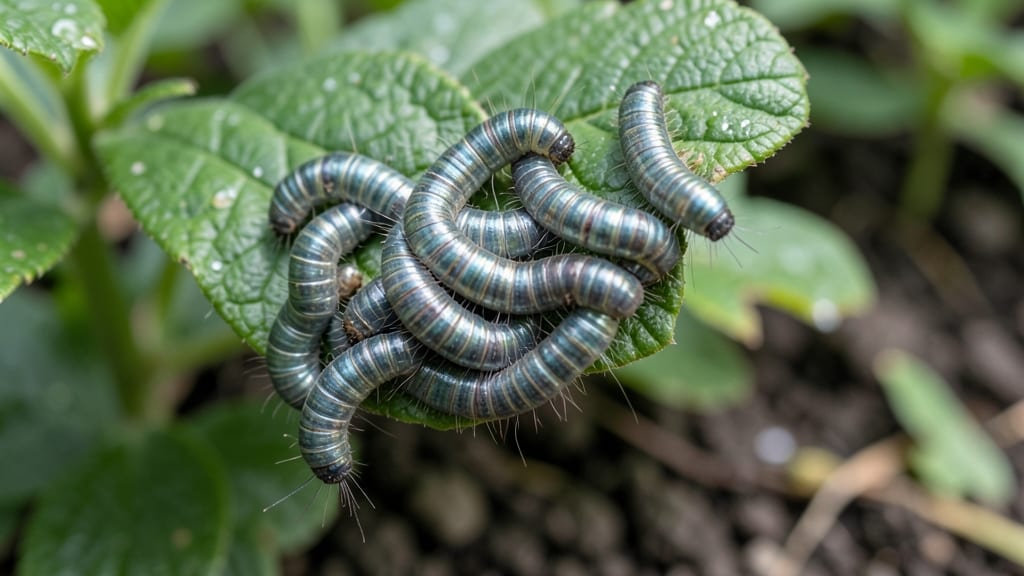
Blueberry bushes under siege by worms can leave you staring at chewed leaves and wondering what to do next. 🌿 The good news? Diatomaceous earth offers a natural, chemical-free way to protect your bushes without harming pollinators or disrupting your garden’s ecosystem.
Most of the worms attacking blueberries are cutworms or grubs—chewing through roots and stems, which weakens plants and stunts fruit production. The damage often starts at the base of the bush, where you might spot silvery trails or half-eaten leaves overnight.
Diatomaceous earth works by creating a barrier these pests can’t cross, disrupting their waxy outer layer and dehydrating them safely. You’ll see results within 3-5 days of application, with fewer worms and healthier foliage. The best part?
This method is non-toxic and works for other garden pests too, making it a versatile addition to your pest control toolkit. Works for both container-grown and in-ground blueberry bushes, and it’s safe to use alongside other organic practices like mulching or companion planting. Let’s get those bushes thriving again!
Root Causes of Worm Infestations
Blueberry bushes are a magnet for pests, and worms—especially root-knot nematodes, cutworms, and grubs—can wreak havoc on their health. Understanding why these pests target your bushes is the first step to stopping them in their tracks. Let’s break down the science behind these unwelcome visitors.
Worms thrive in specific soil environments, and blueberry bushes often create the perfect conditions—whether intentionally or not. Here’s how:
- Moisture Retention: Blueberries love acidic, well-draining soil with consistent moisture. Unfortunately, this same environment is ideal for cutworms and grubs, which burrow into damp, organic-rich soil to lay eggs or pupate. If your soil stays too wet (especially in containers or poorly drained beds), worms get a cozy, long-term home. Pro tip: Test your soil’s drainage—if water pools after 30 minutes, amend with perlite or sand.
- Organic Matter Buildup: Blueberry bushes benefit from mulch and compost, but excessive organic debris (like fallen leaves or old mulch) can attract earthworms and nematodes. These pests feed on decomposing plant material, and their populations explode when food sources are abundant. Action step: Keep mulch 2–3 inches thick and remove old plant debris promptly.
- pH Imbalance: Blueberries need acidic soil (pH 4.5–5.5), but extreme acidity can stress the plant, making it more vulnerable to pests. Weakened roots emit signals that attract root-feeding nematodes, which sense the plant’s distress. Fix it: Regularly test soil pH and adjust with sulfur or peat moss if it drifts above 5.5.
Some worms have life cycles perfectly timed to coincide with blueberry growth stages, ensuring they’re always around when the plant is most vulnerable.
| Pest Type | Life Cycle Stage | Why It Targets Blueberries |
|---|---|---|
| Cutworms | Larval stage (spring/fall) | They hatch when soil warms in spring, just as blueberry buds swell. Young shoots are tender and easy to sever at the base—cutworms’ favorite snack. |
| Grubs (Japanese Beetle Larvae) | Pupation (summer/early fall) | Grubs feed on roots during summer, but they pupate in late summer, timing their emergence with blueberry harvest season. Damaged roots = stressed plants. |
| Root-Knot Nematodes | Continuous reproduction (year-round) | These microscopic worms thrive in warm, moist soil and inject blueberry roots with bacteria, causing galls (lumpy growths) that block nutrient uptake. |
Key takeaway: Disrupt their cycles with early-season monitoring (check for eggs in soil) and cultural controls like crop rotation (if possible) or companion planting with nematode-repelling herbs like marigolds.
Healthy blueberry bushes are less appealing to pests, but stress—whether from drought, nutrient deficiencies, or disease—sends out chemical distress signals that worms detect.
- Water Stress: Drought-stressed plants produce higher levels of jasmonic acid, a compound that attracts root-feeding pests like nematodes. Even slight wilting can trigger this response. Solution: Use drip irrigation to maintain even moisture.
- Nutrient Deficiencies: Low nitrogen or phosphorus levels weaken roots, making them easier targets. Grubs and nematodes prefer plants that can’t fight back. Test your soil: Amend with compost or a balanced fertilizer (like 10-10-10) in early spring.
- Disease Presence: Fungal infections (e.g., Phytophthora) create entry points for worms. For example, cutworms are more likely to attack bushes already weakened by mummy berry disease. Prevent spread: Prune infected branches immediately and sterilize tools with 70% alcohol.
Even well-meaning gardening practices can invite worms. Here’s how:
- Over-Mulching: Thick layers of mulch (over 4 inches) create anaerobic zones where nematodes and grubs thrive. It also traps moisture, extending the pests’ active season. Adjust: Keep mulch at 2–3 inches and use pine straw or cedar chips, which deter pests naturally.
- Ignoring Last Year’s Debris: Old blueberry leaves, fallen fruit, and pruned branches left in the bed become worm buffets. Cutworms and earthworms overwinter in this debris, emerging stronger in spring. Clean up: Remove all plant waste by late fall.
- Poor Watering Practices: Inconsistent watering (e.g., deep soaks followed by drought) stresses roots and attracts nematodes. Pests exploit these fluctuations. Stick to a schedule: Water deeply 1–2 times per week, depending on rainfall.
💡 Pro Tip: If you’ve had worms before, solarize the soil in late summer by covering beds with clear plastic for 4–6 weeks. The heat kills nematode eggs and larvae without chemicals.
Quick Fixes For Worm-Infested Bushes
Worms in your blueberry bushes can feel like a nightmare, but don’t panic—there are effective, natural solutions to evict these unwanted guests and protect your harvest.
Below, we’ve mapped out practical fixes for common worm-related issues, from soil-dwelling larvae to surface pests, along with prevention tips to keep your bushes thriving.
Signs: Wilting plants, chewed stems at the base, or tunnels in the soil.
🔥 Step 1: Handpick & Remove Visible Worms
- When: Early morning (worms are sluggish and easier to spot).
- How:
- Gently lift mulch or loose soil near the base of plants.
- Look for fat, grayish larvae (cutworms) or C-shaped grubs (Japanese beetle larvae).
- Drop them into a soapy water bucket (1 tbsp dish soap + water) to kill them instantly.
- Pro Tip: 🌡️ Freeze them first! Place worms in a sealed container and freeze for 24 hours before disposal—this prevents eggs from hatching nearby.
🍳 Step 2: Apply Diatomaceous Earth (DE) as a Barrier
- Why DE works: Microscopic fossilized algae dehydrate worms by damaging their exoskeletons.
- How to use:
- Sprinkle food-grade DE (like Safer Brand DE) in a 1-inch band around the base of each bush.
- Lightly dust under leaves where cutworms hide.
- Reapply after rain (DE washes away) or every 5–7 days.
- ⚠️ Caution: Avoid inhaling DE—wear a dust mask when applying.
👨🍳 Step 3: Encourage Natural Predators
- Beneficial nematodes (Heterorhabditis bacteriophora) are microscopic worms that hunt soil grubs.
- Apply nematode spray (like Nemex) at dusk when soil is moist.
- Water lightly afterward to help them move into the soil.
- Birds & toads love cutworms—install a birdhouse or toad habitat near your bushes.
🥘 Step 4: Soil Amendments for Long-Term Defense
- Compost & worm castings improve soil health, making it less hospitable for pests.
- Neem cake (ground neem seeds) repels worms naturally—mix 1 cup per bush into the top 2 inches of soil.
- Avoid over-fertilizing—rich soil attracts grubs.
Use a balanced organic fertilizer (like 5-5-5).
Signs: Silky webs, chewed leaves, or small white worms in flower buds.
🔪 Step 1: Prune & Destroy Infested Areas
- When: Late winter or early spring (before buds swell).
- How:
- Cut out webs, chewed leaves, and worm-filled buds with sterilized pruners.
- Bag and trash (don’t compost)—worms will survive in yard waste.
- Burn debris if possible (check local burn rules).
⏰ Step 2: Use Horticultural Oil or Soap Spray
- Best for: Young larvae before they burrow into buds.
- DIY Recipe:
- Mix 1 tbsp horticultural oil (or 1 tsp castile soap) + 1 quart water.
- Spray under leaves and buds at dusk (avoids harming bees).
- Reapply every 5–7 days until worms are gone.
🌿 Step 3: Row Covers for Prevention
- When to use: Early spring during budding season.
- How:
- Drape fine mesh row covers over bushes to block adult moths (worm parents).
- Secure edges with bricks or soil to prevent moths from laying eggs.
- Remove covers before flowering to allow pollinators access.
🎯 Step 4: Trap Crops & Interplanting
- Plant sacrificial crops like nasturtiums or marigolds near blueberries—worms prefer these over blueberry buds.
- Interplant with garlic or chives—their strong scent repels worms.
- 🌱 Healthy Soil = Strong Plants
- Test soil pH (blueberries love 4.5–5.5). Use sulfur or peat moss to adjust if needed.
- Aerate soil annually with a garden fork to deter grubs.
- 🕰️ Timely Harvest & Cleanup
- Pick overripe berries—they attract worms.
- Rake up fallen leaves in autumn (worms overwinter in debris).
- 🐝 Beneficial Insects Are Your Allies
- Ladybugs, lacewings, and ground beetles eat worm eggs. Attract them with:
- Dill, fennel, or yarrow planted nearby.
- A shallow water dish with pebbles (for drinking).
- Ladybugs, lacewings, and ground beetles eat worm eggs. Attract them with:
- 🌡️ Mulch Smartly
- Use straw or pine needles (avoid thick layers—worms thrive in damp mulch).
- Keep mulch 2–3 inches away from stems to reduce hiding spots.
Final Note: Consistency is key! Worms often return if you treat only once. Combine 2–3 methods (like DE + nematodes + row covers) for the best results. With these steps, your blueberry bushes will stay worm-free and productive—no chemicals needed! 🍇✨
Frequently asked questions about worms in blueberry bushes
What types of worms most commonly attack blueberry bushes?
The most troublesome worms for blueberries are cutworms (gray larvae that chew stems at ground level), grubs (Japanese beetle larvae that damage roots), and root-knot nematodes (microscopic soil-dwellers that create galls on roots). Each targets different parts of the plant, so identifying their damage helps determine the best treatment.
How do I know if my blueberry bushes have worms?
Look for chewed stems at the base (cutworms), silvery trails on leaves (slug-like worms), or stunted growth (root damage from grubs/nematodes). Also check for tunnels in soil or small white worms in flower buds—these are classic signs you need to act fast.
Is diatomaceous earth safe for blueberry bushes?
Yes! Food-grade diatomaceous earth is non-toxic to plants and humans, but it dehydrates worms by damaging their protective layers. Just avoid inhaling the dust and reapply after rain. For best results, apply it as a 1-inch band around the base of each bush and dust lightly under leaves where cutworms hide.
Can I use chemical pesticides on blueberry bushes?
While chemical pesticides work, they can harm beneficial insects like bees and ladybugs, which help control worm populations naturally. Organic methods like neem oil, beneficial nematodes, or horticultural soap are safer alternatives that still deliver strong results without disrupting your garden's ecosystem.
How can I prevent worms from returning next year?
Start with cleanup: Remove all plant debris in fall (worms overwinter in leaves). Use row covers in early spring to block moths from laying eggs, and interplant with garlic or marigolds—their scents repel worms naturally. Finally, maintain healthy soil pH (4.5–5.5) and avoid over-mulching, which creates worm-friendly conditions.