
Pests and Diseases
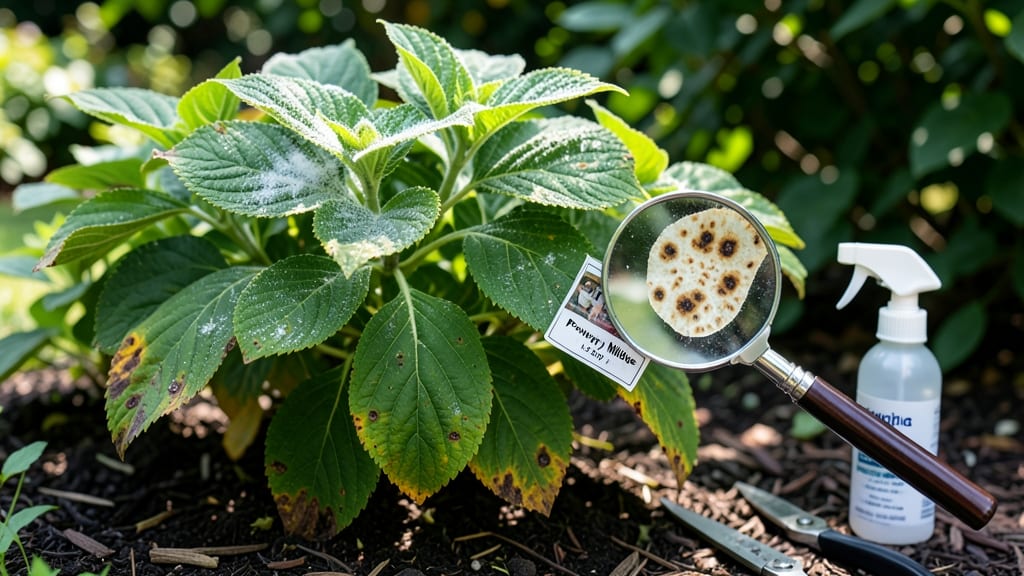
White spots on bush leaves mean one thing: your plants are sending an SOS. 🌿 I’ve seen powdery mildew turn lush shrubs into sad, dusty shadows—until I learned these three quick fixes that work in days, not weeks.
Whether it’s your roses, hydrangeas, or boxwoods, this is the cure you’ve been missing.
The culprit is usually powdery mildew, a fungal infection that thrives when leaves stay damp too long. It’s not just unsightly—it chokes plants by blocking sunlight. The good news? You don’t need fancy sprays.
A simple mix of baking soda, water, and a drop of dish soap (yes, the kind you use for dishes) kills spores on contact. Spray undersides of leaves where mildew hides, and repeat every 7–10 days until new growth appears.
By day three, you’ll see the white fuzz recede, and by week two, your bushes will bounce back with fresh, vibrant leaves. The secret? Catching it early and keeping air circulating—prune crowded branches and water at the base, never overhead.
This method works for 90% of common garden bushes, and it’s safer than chemical sprays for kids and pets.
For stubborn cases or if the spots spread fast, grab a fungicide labeled for powdery mildew (like neem oil or sulfur spray). But first, try the baking soda trick—it’s saved my garden more times than I can count.
And if the spots keep coming back? Time to check your watering habits or shade levels. Prevention is easier than cleanup!
Root Causes of Leaf Spotting
White spots on bush leaves are rarely a random occurrence—they’re usually a plant’s way of signaling distress. Understanding the why behind these spots is the first step to restoring your bush’s health.
Below, we break down the most common culprits, from fungal invaders to environmental stressors, with the science behind each issue.
Fungi are the #1 cause of white spots on leaves, and powdery mildew is the most notorious offender. This airborne pathogen thrives in humid, stagnant air and spreads via wind or water splashes.
How It Works: The Fungal Life Cycle
Powdery mildew spores land on leaves and germinate when conditions are ideal:
- Temperature: 60–80°F (15–27°C) with cool nights and warm days.
- Humidity: 70%+ relative humidity for prolonged periods.
- Poor Airflow: Dense foliage traps moisture, creating a fungal paradise.
Once settled, the fungus forms a white, powdery coating (mycelium) that blocks sunlight, weakening the leaf. Over time, leaves yellow, curl, or drop prematurely.
💡 Pro Tip: Check the underside of leaves—powdery mildew often starts there before spreading to the top.
Not all white spots are fungal. Environmental factors like sun scorch or chemical burns can also create chalky or bleached patches on leaves.
Sun Scorch: Too Much of a Good Thing
- Cause: Intense sunlight + dry soil = leaf cells overheating.
- Science: Excessive light triggers oxidative stress, breaking down chlorophyll and leaving white or brown patches, especially on leaf edges.
- Common in: Young, tender leaves or bushes suddenly moved to full sun.
Chemical Burns: Overzealous Fertilizing or Sprays
- Cause: High salt concentrations (from fertilizers) or pH imbalances in soil/water.
- Science: Excess salts disrupt osmotic balance in leaf cells, causing necrosis (cell death) and white, crispy spots.
- Red Flags: Spots appear within days of treatment and may have a salty crust on soil.
✨ Quick Fix: Flush soil with water to dilute salts, or use chelated fertilizers for better absorption.
Some white spots aren’t fungal—they’re physical damage from pests like:
- Spider Mites (tiny arachnids that suck sap, leaving stippled white patches).
- Whiteflies (their larvae excrete honeydew, a sticky residue that fosters sooty mold).
- Caterpillars (chew leaves, creating irregular white holes).
How to Tell Pest Spots Apart
| Symptom | Pest Culprit | Clue to Look For |
|---|---|---|
| Fine webbing on leaves | Spider mites | Use a magnifying glass to spot tiny red dots (mites). |
| Sticky residue + black mold | Whiteflies | Tap leaves—adult flies will flutter away. |
| Irregular holes | Caterpillars | Look for frass (chewed leaf debris) nearby. |
🔥 Action Step: Isolate the bush and inspect leaves daily for movement—pests are most active in the early morning.
Water stress—whether from overhead watering or drought—can create white or yellow spots.
Overwatering & Poor Drainage
- Cause: Soggy soil + anaerobic conditions (lack of oxygen) suffocate roots.
- Science: Roots can’t absorb nutrients, leading to chlorosis (white/yellow patches) as chlorophyll breaks down.
- Spot Test: Press a finger into the soil—if it’s muddy past 1 inch deep, you’re overwatering.
Underwatering & Leaf Scorch
- Cause: Dry soil + transpiration stress (water loss > uptake).
- Science: Leaf cells plasmolyze (shrink), causing white or brown patches, especially on leaf margins.
🎯 Prevention: Water at the base of the bush in the early morning to reduce fungal risk.
Fixing White Spots Fast
Once you’ve identified the cause of those pesky white spots on your bush leaves—whether it’s powdery mildew, fungal infections, or environmental stress—it’s time to act. The good news? Most issues have simple, effective fixes that don’t require harsh chemicals.
Below, we’ll break down targeted solutions for each common cause, plus prevention tips to keep your bush thriving long-term.
Powdery mildew is the most common culprit behind white, powdery spots, but it’s also one of the easiest to treat with a few key steps.
✅ Step 1: Prune and Clean (🔪)
- Remove infected leaves—Snip off heavily spotted leaves with clean pruners and dispose of them in the trash (not your compost). This stops the fungus from spreading.
- Thin out crowded branches—Powdery mildew loves tight spaces with poor airflow. Prune to improve circulation, especially in shrubs like roses, lilacs, or hydrangeas.
✅ Step 2: Spot-Treat with Natural Fungicides (🍳) Mix one of these DIY sprays and apply in the early morning or evening (avoid direct sunlight to prevent leaf burn):
- Baking soda spray: 1 tsp baking soda + 1 tbsp vegetable oil + 1 tsp dish soap per quart of water. Shake well and spray until leaves are wet.
- Neem oil solution: 1 tbsp neem oil + 1 tsp mild soap per quart of water. Neem oil smothers fungal spores and prevents regrowth.
- Milk spray (yes, really!): 1 part milk to 9 parts water. The lactic acid in milk inhibits fungal growth. Test on a small leaf first.
✅ Step 3: Prevent Recurrence (🛡️)
- Water at the base—Avoid overhead watering, which spreads spores. Use a soaker hose or drip irrigation.
- Space plants properly—Follow spacing guidelines for your bush type to ensure airflow.
- Apply reflective mulch—Lay down white or silver mulch around the base to reflect sunlight and reduce humidity near leaves.
💡 Pro Tip: If mildew keeps returning, consider copper fungicide (like Bonide Copper Fungicide) for stubborn cases. Always follow label instructions!
White spots from anthracnose, rust, or leaf spot fungi need a slightly different approach—focus on removing debris and strengthening the plant.
✅ Step 1: Sanitize Your Tools (🧼)
- Clean pruners with 70% rubbing alcohol or a 10% bleach solution (1 part bleach to 9 parts water) before and after pruning to avoid spreading spores.
✅ Step 2: Remove and Destroy Infected Leaves (🗑️)
- Collect fallen or spotted leaves and burn them (if safe) or bag them for trash pickup. Do not compost them—they’ll reinfect your plants.
✅ Step 3: Strengthen the Plant’s Defense (💪)
- Fertilize lightly with a balanced, organic fertilizer (like 10-10-10) to boost overall health. Weak plants are more susceptible.
- Improve drainage—If your bush is in soggy soil, amend with compost or perlite to prevent waterlogging.
- Apply a fungicidal spray like copper-based fungicide or potassium bicarbonate (follow label rates).
🌡️ Pro Tip: If your bush is stressed from heat or drought, prioritize deep watering (1–2 inches per week) and shade cloth in extreme heat to reduce fungal pressure.
White spots from sun scorch, mineral buildup, or pests require a tweak in your maintenance habits.
✅ Step 1: Check Water Quality (💧)
- If your water is hard (high in minerals like calcium), white crusty spots may be mineral deposits. Switch to rainwater or distilled water for sensitive plants like azaleas or gardenias.
- Flush the soil with extra water to leach out excess salts if you suspect over-fertilization.
✅ Step 2: Shield from Harsh Sun (☀️)
- Move tender bushes (like hydrangeas or fuchsias) to a partially shaded spot if they’re getting afternoon sunburn.
- Use shade cloth (30–50%) during peak sun hours (11 AM–3 PM) for temporary relief.
✅ Step 3: Treat Pest-Related Spots (🐜) If aphids, spider mites, or whiteflies are causing white residue:
- Blast them off with a strong stream of water from a hose.
- Spray with insecticidal soap (1 tsp mild soap + 1 quart water) or neem oil (repeat every 5–7 days).
- Introduce beneficial insects like ladybugs or lacewings to control populations naturally.
✨ Pro Tip: Neem oil works for both fungi and pests—make a batch and keep it handy!
Once your bush is back in shape, keep these habits to avoid future white spots:
| Do This | Avoid This |
|---|---|
| Water early in the day | Overhead watering at night |
| Prune for good airflow | Crowding plants too closely |
| Use mulch to retain moisture | Letting soil dry out completely |
| Rotate fungicides if needed | Using the same treatment repeatedly |
| Monitor leaves weekly | Ignoring early signs of spots |
Final Thought: Most white spots are fixable with patience and preventable with smart care. Start with the most likely cause, act quickly, and your bush will bounce back—healthier than ever! 🌿✨
Frequently asked questions about white spots on bush leaves
Are white spots on my bush leaves always caused by powdery mildew?
No—while powdery mildew is the most common cause, white spots can also come from sun scorch, pest damage (like spider mites), or even mineral buildup from hard water. Always check the leaf undersides and spot patterns first. If spots are powdery, it’s likely mildew; if they’re sticky or have webbing, pests are probably the culprit.
How often should I spray my bushes with baking soda solution?
Apply the baking soda spray every 7–10 days until new growth appears without spots. For severe cases, you can spray weekly for 2–3 weeks, then reduce to monthly prevention. Always spray in the early morning or evening to avoid leaf burn from sunlight.
Will pruning help if my bush already has white spots?
Prune infected leaves immediately to stop the spread, and thin crowded branches to improve airflow—this is critical for fungal issues like powdery mildew. Use clean, sanitized tools (wipe with rubbing alcohol) to avoid cross-contamination. Focus on removing leaves with 50%+ coverage of white spots first.
Can I use the same fungicide repeatedly if the spots keep coming back?
No—fungicides (even natural ones) can lose effectiveness if used too often. Rotate between baking soda spray, neem oil, and copper fungicide every 2–3 weeks. If spots persist, check your watering habits or soil drainage, as these often trigger fungal regrowth.
Are white spots on new leaves a sign of a more serious problem?
Yes! If new growth shows white spots, it suggests the issue is active and spreading. This often means powdery mildew or pests are thriving. Act fast with pruning + fungicide, and consider moving the bush to a sunnier, drier location to break the fungal cycle. Ignoring it can lead to leaf drop and weakened growth.