
Shrubs
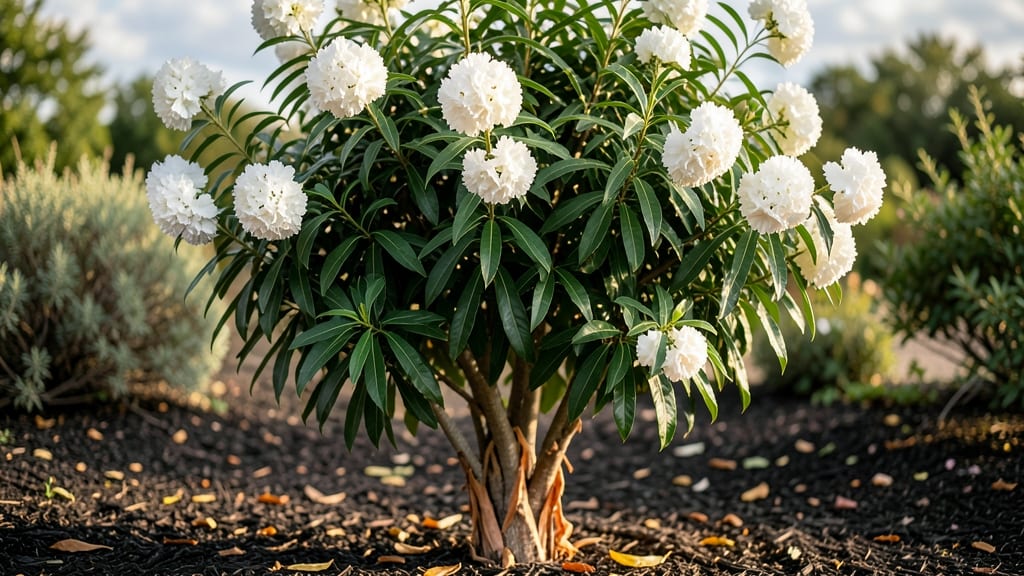
Growing a white crape myrtle bush means summer-long clouds of fragrant blooms that hummingbirds adore. 🌸 I planted mine last spring in full sun, and by July, it was already covered in creamy-white flowers that lasted until frost—with almost no pruning needed.
The secret lies in its forgiving nature and how it rewards patience with dramatic, long-season beauty.
This bush thrives in well-draining soil and handles heat like a champ, making it perfect for hot climates. Just give it space to grow—6 to 12 feet wide—and water deeply once established.
The best part? It’s nearly pest-free and stays healthy with minimal fuss, turning any yard into a showstopper with its elegant, peeling bark and glossy foliage.
📚 In This Guide
- What you need
- Instructions
- Tips and common mistakes
- Wrapping up and next steps
What you need
- ● White crape myrtle bush: Choose a healthy, disease-free Lagerstroemia indica variety (e.g., 'Natchez,' 'Tonto,' or 'Sioux'). Opt for a 1- to 3-gallon container-grown plant for best results.
- ● High-quality potting mix or garden soil: Use a well-draining soil blend (e.g., 60% topsoil, 30% compost, 10% perlite/sand) for containers or in-ground planting.
- ● Organic mulch: 2–3 inches of shredded bark, pine straw, or wood chips to retain moisture and suppress weeds.
- ● Fertilizer: A balanced, slow-release granular fertilizer (10-10-10 or 12-12-12) or organic options like composted manure or worm castings.
- ● Watering can or hose with a gentle spray nozzle: Crape myrtles hate soggy roots—aim for deep but infrequent watering (1–1.5 gallons per week for mature plants).
- ● Garden trowel or shovel: For digging holes (twice as wide as the root ball).
- ● Pruning shears or loppers: Sharp, sterilized tools for shaping (avoid dull blades—they tear bark!).
- ● Gloves: Heavy-duty work gloves to protect against thorns and rough bark.
- ● Measuring tape or ruler: To ensure proper spacing (6–10 feet apart for full-sized bushes).
- ○ Staking (optional): 3–4 bamboo stakes + soft ties if planting in windy areas or heavy clay soil.
- ● Sunlight: Full sun (6+ hours/day)—partial shade may reduce flowering.
- ● Drainage: Avoid low-lying areas where water pools. Amend heavy clay soil with compost or sand.
- ● Patience: Crape myrtles grow 1–2 feet per year; full bloom takes 2–3 years from planting.
- ● Cold hardiness zone: Zones 6–9 (some varieties tolerate down to -10°F).
Step-by-Step instructions for planting and caring for white crape myrtle bushes
Here's how to grow these stunning, low-maintenance shrubs that bloom beautifully year after year.
🌱 Step 1: Choose the Perfect Planting Location
White crape myrtles thrive in full sun—at least 6-8 hours of direct sunlight daily. Find a spot where they’ll get morning sun and afternoon shade if you live in a very hot climate. The soil should drain well, but they’re adaptable to most soil types once established.
I always dig a hole twice as wide as the root ball but only as deep. This encourages roots to spread out rather than settle too low. Amend heavy clay soil with a mix of compost and sand to improve drainage. If your soil is sandy, add a handful of organic matter to help retain moisture.
🌿 Step 2: Plant at the Right Time and Depth
Plant your white crape myrtle in early spring or fall when temperatures are mild. Avoid planting in extreme heat or cold. Remove the plant from its container and gently loosen the roots if they’re circling.
Place the root ball in the hole so the top of the root flare sits just above soil level—never bury the trunk too deep. This prevents rot and ensures proper growth. Backfill with native soil, tamping lightly as you go to remove air pockets. Water deeply to settle the soil around the roots.
💧 Step 3: Water Deeply and Establish a Routine
Water your new crape myrtle deeply once a week for the first month, then taper to every 10-14 days once established. These bushes are drought-tolerant but need consistent moisture to root well. You’ll know it’s time to water when the top 2 inches of soil feel dry.
Mulch around the base with 2-3 inches of organic mulch, keeping it 6 inches away from the trunk to prevent rot. Mulch helps retain moisture and regulates soil temperature. Avoid over-mulching—too much can suffocate the roots.
☀️ Step 4: Prune for Shape and Health
Crape myrtles need minimal pruning, but I always trim in late winter or early spring before new growth starts. Remove any dead, diseased, or crossing branches first. Then, shape the bush by cutting back 1/3 of the previous year’s growth to encourage fuller blooms.
Never "hat-rack" prune—this is when people cut all the way back to the ground, which weakens the plant. Instead, focus on opening up the center for airflow and sunlight. You’ll see bushier growth and more flowers within a season.
✂️ Step 5: Maintain Year-Round for Continuous Beauty
Fertilize lightly in early spring with a balanced, slow-release fertilizer. Too much nitrogen promotes leafy growth over flowers. Watch for pests like aphids or scale—spray with insecticidal soap if needed, but crape myrtles are generally pest-resistant.
In fall, remove any spent blooms but leave seed pods for winter interest. These bushes are low-maintenance but reward you with stunning white blooms from summer through fall. With proper care, your white crape myrtle will be a showstopper for years.
Tips & tricks for perfect white crape myrtle bush growth
These simple secrets will help your white crape myrtle thrive with less effort and more stunning blooms.
Sunlight Strategy: While 6-8 hours of sunlight is ideal, I’ve found that morning sun paired with afternoon shade works best in hot climates. If you notice leaves scorching in the afternoon, consider providing some shade during peak heat hours—your plant will reward you with healthier foliage and more abundant blooms.
Soil Preparation Secret: The key to happy roots is amending your soil properly. For heavy clay, mix in equal parts compost and sand. For sandy soil, add a handful of organic matter like peat moss or coconut coir. This creates the perfect balance of drainage and moisture retention without overworking the soil.
Pruning Precision: When shaping your bush in Step 4, focus on removing only the dead or crossing branches first. Then, cut back one-third of last year’s growth—this encourages new growth and more flowers. Remember, the goal is to open up the center for airflow, not to drastically reshape the plant.
Watering Wisdom: After the initial deep watering in Step 3, check the top 2 inches of soil before watering again. If it’s dry, it’s time! I’ve learned that overwatering is more common than underwatering—these bushes are tougher than they look. Let the soil dry slightly between waterings to prevent root rot.
Pro Tips for White Crape Myrtle Bush
- These simple secrets will help your white crape myrtle thrive with less effort and more stunning blooms.
- Sunlight Strategy: While 6-8 hours of sunlight is ideal, I’ve found that morning sun paired with afternoon shade works best in hot climates.
- Soil Preparation Secret: The key to happy roots is amending your soil properly.
Frequently asked questions
Got questions about keeping your white crape myrtle bush thriving? You’re not alone! Here are answers to the most common concerns—from planting to pruning and everything in between.
When is the best time to plant a white crape myrtle bush?
The ideal time to plant is in early spring (after the last frost) or fall (6-8 weeks before the first frost). This gives roots time to establish before extreme heat or cold. Avoid planting in summer—heat stress can stunt growth. If you must plant in fall, do it early to prevent winter damage.
How and when should I prune my white crape myrtle?
Prune in late winter or early spring (before new growth starts) to shape the bush and remove dead wood. Avoid heavy pruning in fall—it can leave branches vulnerable to winter damage. Pro tip: Never "top" the bush (cutting the top flat)—this encourages weak growth. Instead, prune to just above a bud or branch junction.
Why are my white crape myrtle leaves turning yellow or dropping?
Yellowing leaves or early leaf drop often signal overwatering, underwatering, or nutrient deficiencies. Check soil moisture—crape myrtles hate soggy roots but also need consistent water (1-2 inches per week). Yellowing at the edges? It could be iron deficiency; amend soil with iron supplements or compost. Pest issues (like spider mites) can also cause stress—inspect leaves for webs or tiny bugs.
Can white crape myrtles handle cold winters?
Most crape myrtles are hardy to USDA Zones 7-9, but young plants or late-spring frosts may need protection. Mulch heavily (3-4 inches) around the base in fall to insulate roots. If your area dips below 10°F (-12°C), wrap the bush in burlap or use frost blankets for severe winters. Fun fact: Crape myrtles are drought-tolerant once established—don’t overwater in winter!
Are there any alternatives to white crape myrtles with similar low-maintenance beauty?
If you love the easy-care charm of white crape myrtles, try these low-maintenance shrubs:
- Lagerstroemia ‘Natchez’: Pink blooms, same drought tolerance.
- Abelia ‘Kaleidoscope’: White/pink flowers, thrives in partial shade.
- Oakleaf Hydrangea: White blooms that turn pink, great for shade.
- Dwarf Fothergilla: Fragrant white flowers, compact size.
What should I do if my crape myrtle gets powdery mildew?
Powdery mildew (white fungal coating on leaves) is common in humid climates. Prevent it with:
- Good air circulation (prune to open the center).
- Avoid overhead watering (use drip irrigation).
- Apply neem oil or baking soda spray (1 tsp baking soda + 1 quart water + drop of soap) if spotted.
Wrapping up and next steps
The white crape myrtle bush is a stunning, low-maintenance addition to any landscape, offering year-round beauty with minimal effort. Whether you're drawn to its delicate blooms, glossy foliage, or easy-care nature, this shrub delivers effortless elegance—perfect for beginners and seasoned gardeners alike. 🌸
Ready to transform your outdoor space? Start by selecting the right variety for your climate, then gather your tools and follow the simple pruning and care tips shared here. With just a little attention, you’ll enjoy a flourishing white crape myrtle that thrives for years to come!
- Next step: Pick your favorite spot in the garden and get planting! 🌱