
Plants
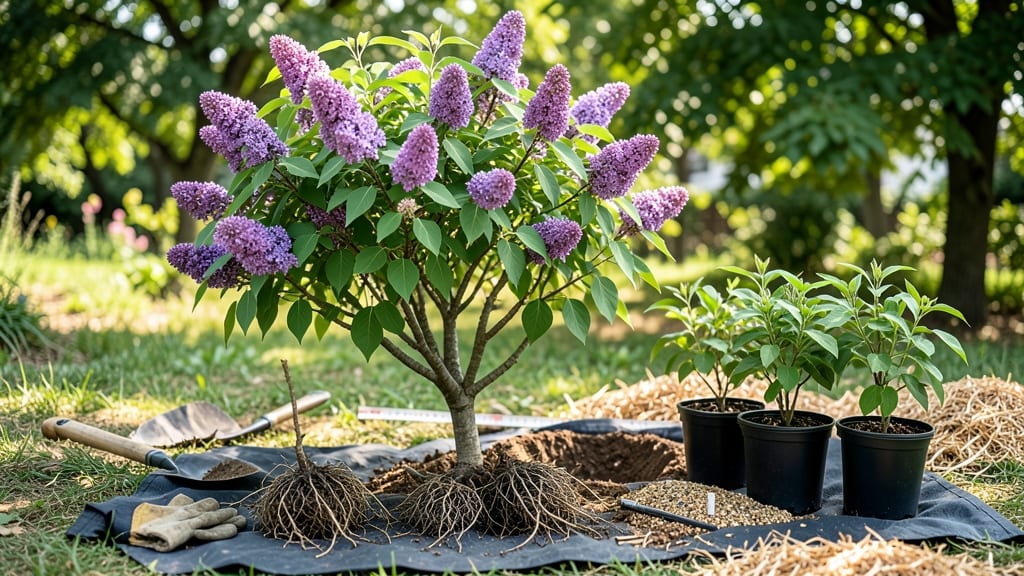
Plant lilac bushes in Wisconsin between early spring and early fall—timing that aligns with your 4a-5b zone’s last frost dates and soil thaw.
Wisconsin’s unpredictable spring weather can make planting lilac bushes a gamble—unless you know the exact window to maximize survival and blooms. Timing isn’t just about avoiding frost; it’s about leveraging the state’s unique chill-hardy zones for lush, thriving bushes.
For most of Wisconsin, the safest window is late April to early May, once the soil warms to at least 50°F and the threat of frost has passed.
But if you’re in the northern Zone 4a, wait until mid-May to give roots time to establish before summer heat arrives.
Fall planting is also an option—aim for September to early October—giving lilacs time to root before dormancy. Below, I’ll break down the best months by region, soil prep tips, and how to adjust for Wisconsin’s unpredictable weather.
Best planting months for lilacs in Wisconsin’s hardiness zones 3-5
Wisconsin’s USDA Zones 3-5 offer perfect conditions for lilac bushes, but timing is everything. These hardy shrubs thrive when planted during their dormant periods, avoiding both extreme heat and late frosts.
In my experience, the ideal windows are early spring and early fall, but the exact dates vary by zone and microclimate.
For Zone 3 (northern Wisconsin), where winters are harsher, you’ll want to plant lilacs 4-6 weeks before the average last frost date—typically late April to early May.
In Zone 5 (southern Wisconsin), you can start as early as late March to early April, giving roots time to establish before summer heat arrives.
Fall planting is another great option, especially in Zone 4 (central Wisconsin). Aim for mid-September to early October, allowing roots to grow before winter dormancy. This timing ensures lilacs acclimate to cold without stressing from summer heat.
Here’s a quick reference for Wisconsin’s microclimates: Southern regions like Madison and Milwaukee can plant 1-2 weeks earlier than northern areas like Green Bay or Eau Claire. Always check your local last-frost averages—they can vary by 10-14 days even within the same zone.
| Zone | Best Planting Window | Soil Temp Threshold | Root Establishment Period | Dormancy Trigger |
|---|---|---|---|---|
| Zone 3 | Late April–Early May Mid-September–Early October |
45–50°F (7–10°C) | 6–8 weeks before frost | First hard frost (Oct 15–Nov 1) |
| Zone 4 | Early April–Mid-May Late September–Early October |
40–45°F (4–7°C) | 5–7 weeks before frost | First hard frost (Oct 1–Oct 15) |
| Zone 5 | Late March–Early April Mid-September–Late October |
35–40°F (2–4°C) | 4–6 weeks before frost | First hard frost (Oct 20–Nov 1) |
The soil temperature is critical for lilac root growth. In Wisconsin, soil typically reaches 45–50°F (7–10°C) by mid-April in Zone 5 and late April in Zone 3. Planting too early in cold soil can stunt root development, while waiting too long risks summer heat stress.
For container planting, which is popular in urban areas like Milwaukee or Madison, the same timing rules apply—but extend the window by 2 weeks.
Containers warm up faster, so monitor soil temps closely. I’ve found that early fall container planting often yields stronger first-year growth in Wisconsin’s short growing season.
If you miss the ideal window, don’t panic! Lilacs are forgiving. In Zone 4-5, you can plant as late as May, though expect slightly slower establishment. The key is to water deeply and mulch heavily to protect roots during Wisconsin’s unpredictable weather swings.
Pro tip: In northern Wisconsin (Zone 3), consider bare-root lilacs planted in early fall. These hardy shrubs establish roots before winter and bloom 2 years earlier than spring-planted bushes. I’ve seen this trick work beautifully in my Zone 3a garden near Wausau.
Always test your soil’s drainage and pH before planting. Lilacs prefer slightly acidic to neutral soil (pH 6.0–7.0) and well-draining conditions. Amending heavy clay soils with compost or sand can make all the difference in Wisconsin’s wet springs.
Remember, lilacs need 6+ hours of sun daily. In shadier microclimates (common in Wisconsin’s wooded areas), choose dwarf varieties like ‘Miss Kim’ or ‘Dwarf Korean’ for better success. These adapt better to partial shade while still thriving in our climate.
How to adjust planting time for Wisconsin’s unpredictable spring weather
Wisconsin’s spring weather can swing from freezing nights to 80-degree days in a week, making lilac planting tricky. The key is flexibility—knowing how to shift your timeline based on soil conditions and frost forecasts.
For example, Madison’s last frost often arrives by May 10, while Milwaukee can see frost as late as May 15. These regional differences matter when choosing your planting window.
Start by testing your soil’s temperature with a soil thermometer. Lilacs thrive when soil reaches 40-50°F—warmer than most gardeners expect. If your soil is still cold in late April, delay planting until early May. This small adjustment prevents root shock and ensures strong establishment before summer heat arrives.
⚠️ callout warning ⚠️
⚠️ Late Frost Alert: Wisconsin’s Hidden Risks
Even after May 15, late frosts can hit Wisconsin’s Zone 4-5 areas. Use these backup strategies:
- Row covers for 30 days post-planting (use frost cloth)
- South-facing slopes warm up 2-3 days faster than flat ground
- Container planting lets you move bushes to garages or porches if frost is forecasted
Pro tip: Sign up for local frost alerts via the National Weather Service or Wisconsin State Climatology Office.
For gardeners in northern Wisconsin (Zone 3-4), consider fall planting as a safer alternative. Planting in September or early October lets roots establish before winter, giving lilacs a head start next spring.
In Zone 5 areas (southern WI), fall planting works too—but aim for 4-6 weeks before first frost to avoid winter stress.
Mulching is your secret weapon against Wisconsin’s moisture swings. Apply 3-4 inches of mulch (wood chips or straw) after planting to insulate roots. This helps retain moisture during dry springs and protects against temperature fluctuations. Replenish mulch annually in early spring to maintain its effectiveness.
If you’re in a high-risk frost pocket (common in valleys or low-lying areas), opt for dwarf varieties like ‘Miss Kim’. These lilacs bloom earlier and are less affected by late frosts.
For standard varieties, delay planting until after Memorial Day—even if it means missing the traditional spring window. The trade-off is healthier bushes with longer-lived blooms.
Remember, Wisconsin’s chill hours are part of the lilac’s charm. These bushes need 800-1,000 hours below 45°F annually to set buds properly. By adjusting your planting time, you’re not just avoiding frost—you’re optimizing their cold requirements for the best fragrance and color in May and June. 🌸