
Plants
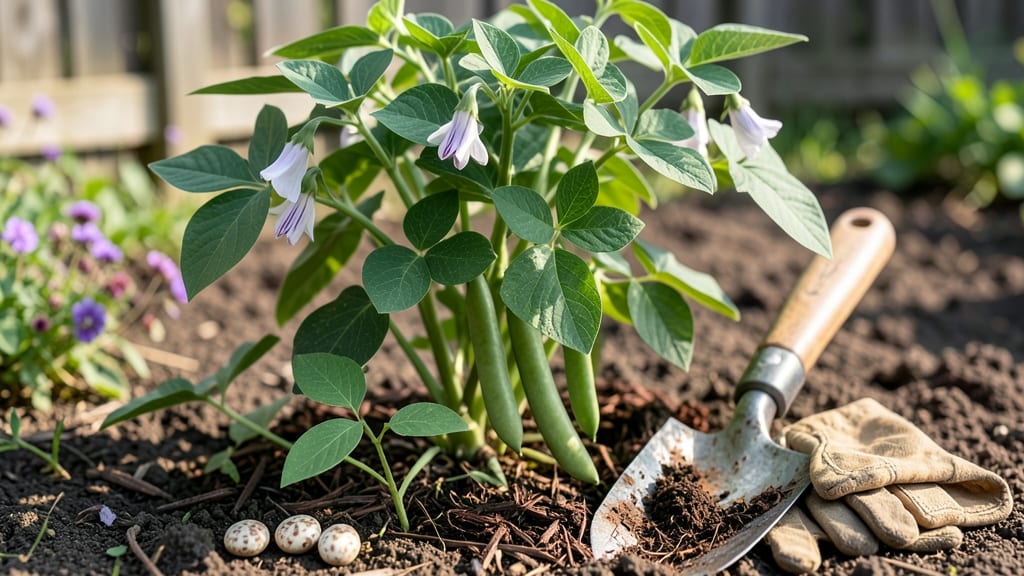
Plant bush beans in Florida between January and May or September and November for the fastest, most productive harvests 🌱 — those windows avoid the brutal summer heat that stresses young plants.
If you’ve ever pulled up a sad, stunted bush bean after planting in June, you know timing matters. Florida’s humidity and high temperatures can turn a promising crop into a flop if you miss the sweet spot.
Most gardeners focus on spring, but fall planting often delivers even better results. Cooler soil and lower humidity mean stronger starts, and you can keep harvesting through the winter months.
Below, I’ll break down the exact months to plant by region, how to prep your soil for success, and when to stagger plantings for continuous pods all season.
Best planting months for bush beans in Florida’s climate zones
Florida’s unique climate—warm year-round with humidity and variable rainfall—makes bush beans a fantastic choice for gardeners. But unlike cooler climates, timing matters differently here. Plant too early, and you risk heat stress; too late, and pests or drought can sabotage your harvest.
The key is leveraging Florida’s three distinct zones—North, Central, and South—to maximize yields.
In North Florida (Zones 8a–9a), cooler winters and occasional light frosts (rare but possible) create a shorter growing window. Meanwhile, Central Florida (Zone 9b) offers year-round potential with consistent warmth, while South Florida (Zones 10a–11) thrives in hot, humid conditions but demands extra care during summer’s peak heat.
Let’s break down the ideal planting windows for each zone.
🌱 Pro Tip: Always check soil temperatures—bush beans need 60°F+ to germinate. Use a soil thermometer to avoid delays in cool-season plantings.
| Zone | Best Planting Window | Soil Temp Requirement | Key Considerations |
|---|---|---|---|
| North Florida (8a–9a) | March–May (spring) & September–November (fall) | 60°F+ (avoid planting below 55°F) | Risk of light frosts in Jan–Feb; prioritize fall harvests before humidity spikes. |
| Central Florida (9b) | January–March & August–October | 65°F+ (germination slows below 60°F) | Year-round potential; avoid June–July due to bolting (premature flowering). |
| South Florida (10a–11) | August–December (fall/winter) & January–March (spring) | 70°F+ (optimal for heat tolerance) | Summer planting (June–July) is risky—use shade cloth and succession planting for fall harvests. |
For North Florida gardeners, focus on spring (March–May) and fall (September–November) plantings. The spring window avoids winter chills, while fall lets you beat the humidity before it peaks in summer. Start seeds indoors 4–6 weeks before the first planting date to give seedlings a head start.
In Central Florida, you can stretch plantings from January to March and August to October. The summer gap (June–July) is critical—bolting (when plants flower prematurely due to heat) is a major issue.
If you must plant in summer, choose heat-tolerant varieties like ‘Contender’ and provide afternoon shade.
South Florida’s longer growing season allows for year-round harvests, but timing is key. Plant in August–December for fall/winter harvests, then again in January–March for spring. Avoid June–July unless you’re using drip irrigation and shade cloth—the combination of heat and humidity can stress plants.
💡 Expert Tip: Use succession planting every 2–3 weeks in fall to extend harvests. For example, in Central Florida, start a new batch in August, then again in September for a staggered harvest through November.
One common mistake is planting bush beans too early in spring or too late in fall, which exposes them to pests like bean beetles or fungal diseases from damp soil. Always amend soil with compost to improve drainage and mulch heavily to retain moisture and suppress weeds.
Finally, monitor weather forecasts for unusual heatwaves or rainfall. Florida’s climate is unpredictable, and a sudden drought or downpour can derail your crop. Adjust watering schedules and use row covers if needed to protect young plants.
With the right planting timing and zone-specific strategies, you’ll enjoy bountiful bush bean harvests from spring through fall—no matter where you garden in Florida. Happy planting! 🌿
How to time your bush bean planting for maximum yield
Timing your bush bean planting isn’t just about picking a month—it’s about understanding microclimates, soil conditions, and Florida’s heat patterns. I’ve learned the hard way that planting too early in spring or too late in fall can lead to bolting (premature flowering) or pest outbreaks.
The key is aligning your planting with cooler soil temperatures and lower humidity periods.
For maximum yields, focus on two main windows: early spring (March–April) and late summer/fall (August–October). These periods offer the perfect balance of warmth and moisture without the extreme heat of June–July.
In my Central Florida garden, I’ve found that planting in late August gives beans enough time to mature before winter sets in.
- 1 Test soil temperature before planting—aim for 60–75°F. Use a soil thermometer to avoid delays in germination during cooler months.
- 2 Avoid planting in June–July—this is when bolting (premature flowering) is most likely. Instead, opt for succession planting in August for fall harvests.
- 3 Use shade cloth (30–50%) if planting in late spring or early fall to protect young plants from intense afternoon sun. This is especially critical in South Florida.
- 4 Plant in raised beds or well-draining soil to prevent root rot from Florida’s heavy rains. Add compost to improve drainage and fertility.
- 5 Stagger plantings every 2–3 weeks in fall to ensure a continuous harvest. For example, plant one batch in August, another in September, and a final one in October for pods through winter.
One of my biggest mistakes was planting bush beans in May without considering the upcoming heatwave. The plants bolted within weeks, producing tiny, stringy pods instead of the plump, tender ones I wanted.
Since then, I’ve shifted to late April plantings in North Florida and early August in South Florida—both times when the soil is warm but the humidity hasn’t peaked yet.
For soil preparation, I always amend the bed with aged compost and a balanced fertilizer (like 5-10-10) before planting. Bush beans are light feeders, so too much nitrogen can lead to leafy growth instead of pods.
In fall plantings, I also add a layer of mulch to retain moisture and suppress weeds, which is especially helpful during Florida’s dry winters.
If you’re growing bush beans in containers, choose 5-gallon pots or larger to accommodate their shallow root systems. Place containers in a south-facing spot for maximum sunlight and water daily during summer to prevent wilting.
I’ve found that drip irrigation works best—it delivers water directly to the roots without wetting the leaves, which helps prevent fungal diseases like white mold.
Finally, keep an eye out for common pests like bean beetles and aphids. In fall plantings, I use row covers for the first few weeks to protect young plants.
If pests appear, I spray with neem oil or introduce beneficial insects like ladybugs. With the right timing and care, you’ll enjoy fresh, homegrown bush beans for months! 🌿