
Container Gardens
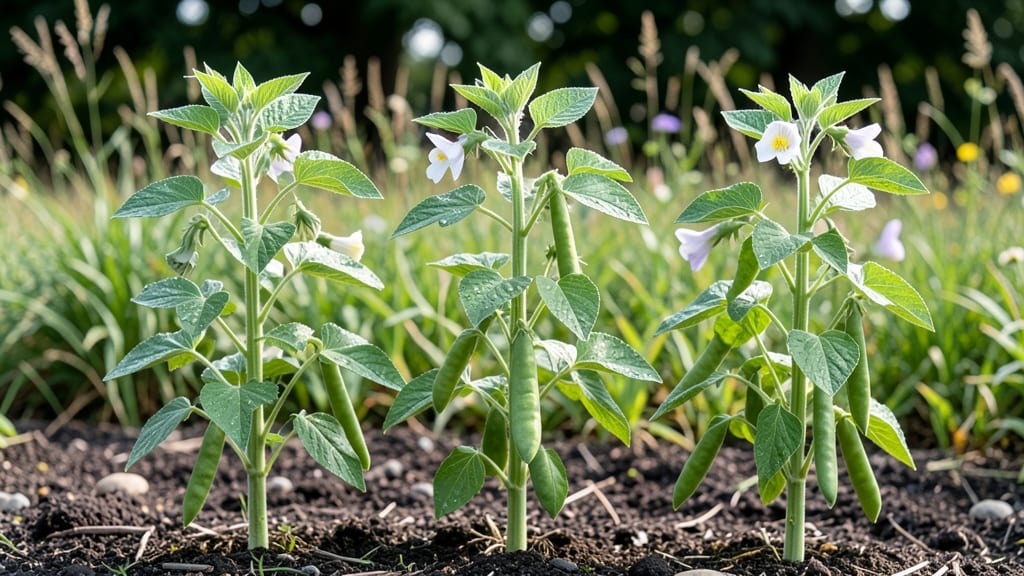
Bush beans in raised beds grow shockingly fast—from seed to harvest in just 60 days—and I’ve perfected the method after years of impatiently watching them race toward maturity. 🌱 The secret lies in warm soil, consistent moisture, and the right spacing that prevents competition.
My first attempt with crowded plants resulted in stunted growth, but once I adjusted, the harvest became a steady, green machine.
Raised beds give bush beans everything they need: well-draining soil that stays warm, easy access for pests to spot (and avoid), and the perfect height to keep your back happy. You’ll want a 4-foot-wide bed for easy reach, amended with compost, and planted when soil hits 60°F.
The fast-germinating varieties like ‘Blue Lake’ or ‘Contender’ are my go-tos—they sprout in 5-7 days and keep producing until frost. By mid-summer, you’ll be snapping fresh pods straight from the vine, their crisp texture and sweet flavor beating anything store-bought.
The key is watering at the base (not overhead) and harvesting every 2-3 days to encourage more production. Even my black thumb can’t mess this up—it’s that foolproof. This method works for small spaces, urban balconies (with deep containers), and even cold climates if you use row covers.
The only real mistake? Planting too late. Let’s get those seeds in the ground!
📚 In This Guide
- What you need
- Instructions
- Tips and common mistakes
- Wrapping up and next steps
What you need
- ● Raised bed: At least 4' x 8' (or larger) with a depth of 6–12 inches. Ensure it has drainage holes if using containers.
- ● High-quality potting soil: 2–3 cubic feet per square foot of bed space (or a mix of 60% topsoil, 30% compost, and 10% perlite/sand for drainage).
- ● Bush bean seeds: Fast-germinating varieties like 'Blue Lake Bush,' 'Contender,' or 'Provider' (plant 3–4 seeds per spot, 3–4 inches apart).
- ● Garden gloves: A sturdy pair to protect your hands while planting.
- ● Watering can or hose with a gentle spray nozzle: Bush beans need consistent moisture, especially during germination.
- ○ Organic fertilizer (optional but recommended): A balanced 10-10-10 or compost tea to boost growth (follow package instructions).
- ● Mulch (straw or grass clippings): Helps retain moisture and suppress weeds.
- ● Trellis or stakes (for climbing varieties, if mixed planting): Even though bush beans don’t climb, these can support taller plants if experimenting.
- ● Row covers or shade cloth: Protects young seedlings from pests or harsh sun.
- ● pH testing kit: Ensures soil pH is between 6.0–7.0 (ideal for beans).
- ● Seedling heat mat (for early starts): Speeds up germination in cooler climates.
Step-by-Step instructions for growing bush beans in raised beds
Here's how I get bush beans from seed to harvest in under 60 days—ideal for small spaces and quick yields.
🌱 Step 1: Prepare the Raised Bed for Fast Germination
Start by tilling the raised bed to a depth of 6 inches, breaking up any clumps and removing rocks or debris. Bush beans thrive in loose, well-draining soil with a pH between 6.0 and 7.0. I mix in 2-3 inches of compost (from my materials list) to enrich the bed without compacting it—this ensures roots spread easily and nutrients are accessible from day one.
Work the compost into the top 4 inches of soil, focusing on the planting area. Avoid overworking the soil, as this can create a powdery texture that repels moisture. Instead, aim for a crumbly, slightly moist consistency—like a damp sponge. This preparation is critical for fast germination, which is why I prioritize it first.
🌱 Step 2: Plant Seeds at the Right Depth and Spacing
Plant 4-5 bush bean seeds per hill, spacing hills 4-6 inches apart in rows that are 18-24 inches apart. This spacing gives plants room to bush out without competing for sunlight or nutrients. I use my finger to create small holes 1 inch deep—any deeper, and the seeds may struggle to push through the soil.
Drop 2-3 seeds per hole (I’ve found this redundancy ensures at least one strong sprout per spot) and cover lightly with soil. Press gently to secure but don’t compact. Water immediately with a fine mist to settle the soil around the seeds without displacing them. Bush beans germinate fastest in soil temperatures above 60°F, so if your bed is cooler, consider using a black plastic mulch to warm the soil.
☀️ Step 3: Provide Consistent Moisture and Light for Rapid Growth
Keep the soil evenly moist but not soggy until germination, which typically occurs in 5-10 days under ideal conditions. I water early in the morning to allow excess moisture to evaporate by evening, reducing the risk of fungal diseases. Once seedlings emerge, reduce watering slightly—let the top 1 inch of soil dry out between waterings to encourage deep root growth.
Bush beans need full sun (6-8 hours daily) to produce well. If your raised bed is in partial shade, supplement with a reflective grow light for 12-14 hours per day until plants reach 6 inches tall. You’ll notice leggy growth if light is insufficient—this is your cue to adjust immediately. Strong seedlings will have bold green leaves and sturdy stems within two weeks.
✂️ Step 4: Thin Seedlings and Support for Compact Harvests
When seedlings reach 3-4 inches tall, thin to the strongest plant per hill, snipping the weaker ones at the base with clean scissors. This reduces competition and ensures your remaining plants have space to bush out. I also install low wire trellises or stakes (if using) to support plants as they grow—though bush beans don’t need heavy support, a little guidance keeps pods off the ground and cleaner.
Watch for first true leaves (the second set after the initial cotyledons) to appear. This is when I start fertilizing lightly with a balanced, low-nitrogen fertilizer (like 10-10-10) to encourage flowering. Over-fertilizing now will produce lush foliage but delay pod formation—the opposite of what we want for a fast harvest.
🌿 Step 5: Harvest at Peak Maturity for Continuous Yields
Bush beans are ready to harvest 50-60 days after planting, when pods are 4-6 inches long and snap easily when bent. I pick every 2-3 days to encourage more production—left too long, pods toughen and yield shrinks. Harvest in the morning when moisture levels are lowest, which preserves quality and reduces breakage.
Here’s the thing—bush beans produce in 3-4 waves over 4-6 weeks. After the first flush, I watch for new flowers to appear and repeat the harvesting process. By the end of the season, a 4-foot raised bed can yield up to 20 pounds of fresh beans—enough for freezing, canning, or sharing with neighbors.
Tips & tricks for growing bush beans in raised beds
Fast germination and abundant harvests start with these key strategies—trust me, I've learned them the hard way after watching seeds fail to sprout.
Soil Temperature Secret: If your raised bed soil is below 60°F, don't rush planting! Bush beans need that warmth to germinate properly. I've found that covering the bed with black plastic mulch for 24-48 hours before planting raises soil temps significantly. This trick is especially useful for early spring plantings when nights are still chilly. The mulch also helps retain moisture during those critical first 5-10 days of germination.
Watering Wisdom: The morning watering routine in Step 3 is non-negotiable for preventing fungal issues. I've seen powdery mildew ruin entire beds when water sits on leaves overnight. For even better results, use a drip irrigation system or soaker hose positioned at the base of plants—this delivers moisture directly to roots while keeping foliage dry. The goal is that "evenly moist but not soggy" soil consistency mentioned in the instructions.
Lighting Strategy: When supplementing with grow lights for partial shade situations, position them just 6-12 inches above the plants. I've noticed that taller seedlings (over 6 inches) need the light closer to prevent leggy growth. The 12-14 hours per day recommendation is perfect—any less and you'll see weak stems and fewer flowers. Morning sunlight combined with evening grow light exposure mimics natural daylight cycles beautifully.
Harvesting Hack: For continuous yields, I've developed a simple system: harvest every 2-3 days in the morning, then mark harvested plants with a small wooden stake. This visual cue helps me track which plants are ready for their next harvest wave. The morning harvest time is crucial—beans picked then have the best texture and flavor, and the plants stay cleaner for longer storage.
Pro Tips for Growing Bush Beans In Raised Beds
- Fast germination and abundant harvests start with these key strategies—trust me, I've learned them the hard way after watching seeds fail to sprout.
- Soil Temperature Secret: If your raised bed soil is below 60°F, don't rush planting!
- Watering Wisdom: The morning watering routine in Step 3 is non-negotiable for preventing fungal issues.
Frequently asked questions
Got questions about growing bush beans in raised beds? You’re not alone! Here are answers to some of the most common queries to help you cultivate a thriving harvest with ease.
What’s the best soil mix for bush beans in raised beds?
Bush beans thrive in well-draining, nutrient-rich soil with a pH of 6.0–7.0. Mix equal parts compost, coconut coir, and garden soil for ideal texture. Avoid heavy clay or overly sandy blends—aim for a light, airy medium that retains moisture without sogginess. A handful of worm castings or balanced organic fertilizer (like 5-5-5) at planting boosts growth.
How long does it take for bush beans to germinate and mature?
Expect germination in 7–14 days (faster in warm soil, 60–85°F). Most bush varieties mature in 50–60 days from seed, producing pods over a 2–3 week window. For continuous harvests, stagger plantings every 2 weeks. Pro tip: Soak seeds overnight in warm water to speed up germination!
What pests or diseases should I watch for, and how do I prevent them?
Common threats include bean beetles, aphids, and powdery mildew. Prevent pests with row covers (for early planting) and neem oil sprays. Improve airflow by spacing plants 4–6 inches apart. For mildew, avoid overhead watering and mulch with straw. Copper tape around bed edges deters slugs and earwigs.
Can I grow bush beans in raised beds year-round, or do they need a specific season?
Bush beans are warm-season crops—plant after the last frost when soil temps hit 55°F+. In mild climates (zones 8–10), you can grow them fall through winter, but yields may drop in cold snaps. For cooler areas, use black plastic mulch to warm soil. Avoid planting in summer heat (>90°F), as it stresses plants.
What can I plant with bush beans to maximize space in raised beds?
Bush beans are nitrogen-fixers, so pair them with heavy feeders like tomatoes, peppers, or cucumbers. Avoid planting near onions, garlic, or fennel, as they stunt growth. Interplant with radishes or lettuce for early harvests—they’ll finish before beans need full sun. Succession planting works too!
Wrapping up and next steps
Growing bush beans in raised beds is a rewarding way to enjoy fresh, compact harvests with minimal space. Whether you’re a beginner or a seasoned gardener, these fast-germinating varieties thrive in controlled environments, offering quick results and delicious yields.
Now that you’re armed with the right tips and tricks, why not take the next step?
Start small—plant a few seeds this weekend, monitor their progress, and soon you’ll be savoring homegrown beans straight from your raised bed. Happy growing! 🌱