
Companion Plants
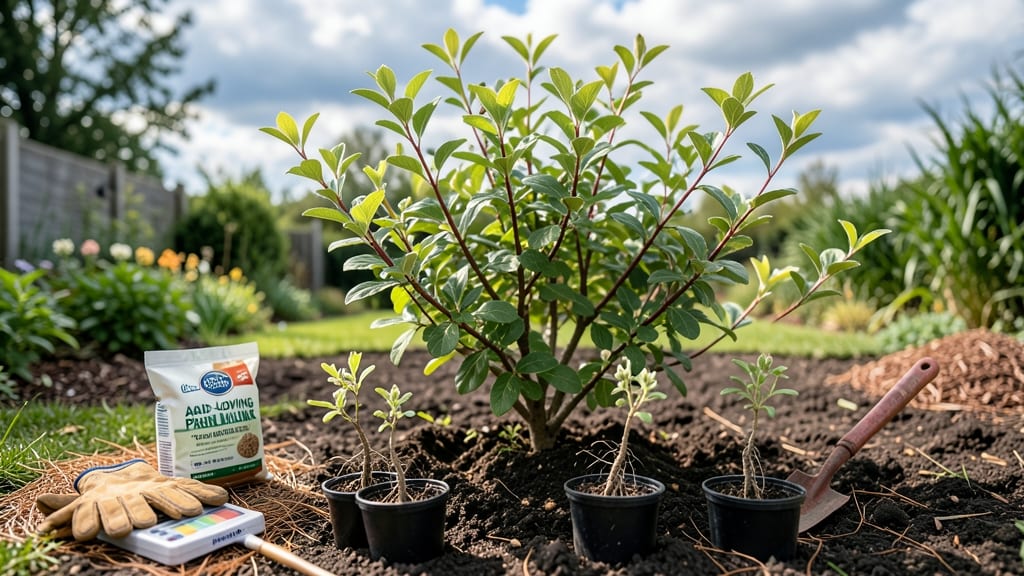
Planting blueberry bushes in Pennsylvania at the right time means the difference between a thriving 🫐 harvest and a frost-killed disappointment—here’s the exact timing you need.
If you’ve ever watched your blueberry plants wilt after a late frost or struggle to take root in scorching summer heat, you know how critical timing is.
Pennsylvania’s 5b-7a zones and unpredictable spring weather make this even trickier, but the secret lies in planting when soil temperatures hit 50–60°F—usually April for most regions.
Below, I’ll break down the best months for your zone, how to adjust for PA’s microclimates, and why fall planting can sometimes work better than spring. You’ll also get a frost-free zone map to pinpoint your exact window.
Ready to set your blueberries up for a bountiful harvest? Let’s dive into the best planting schedule for Pennsylvania gardeners.
Best planting months for blueberry bushes in PA (by hardiness Zone)
Pennsylvania’s USDA hardiness zones 5b-7a create ideal conditions for blueberry bushes, but timing your planting is critical to avoid frost damage. Most gardeners in PA plant between April and May, but your exact window depends on your local microclimate and last frost date.
Understanding your zone helps you avoid planting too early or too late—both mistakes can stunt growth or kill young plants.
Blueberries thrive when planted in early spring (before buds swell) or fall (6-8 weeks before first frost). For Pennsylvania, this typically means April or September-October.
However, Zone 5b areas (like Erie or State College) may need to wait until mid-April, while Zone 7a regions (like Philadelphia) can plant as early as late March. Always check your last frost date—planting too soon risks frost damage to tender roots.
The USDA frost-free zone map is your best tool for pinpointing the perfect time. In PA, zones range from 5b (coldest) to 7a (mildest), with Zone 6b covering most of the state.
Use the map to find your exact zone, then add 2-3 weeks after the average last frost date for safe planting. For example, if your last frost is April 15, aim for May 1 to ensure roots establish before summer heat arrives.
Here’s a quick reference for Pennsylvania’s hardiness zones and ideal planting windows:
| Zone | Ideal Planting Month | Last Frost Date | Key Consideration |
|---|---|---|---|
| 5b (Erie, State College) | Mid-April to early May | April 20–May 5 | Wait for soil to warm to 50°F+. |
| 6a (Pittsburgh, Harrisburg) | Late March to April | April 1–15 | Fall planting works if soil isn’t frozen. |
| 6b (Lancaster, Allentown) | Early April to mid-May | March 25–April 10 | Avoid planting after May 15 to prevent summer stress. |
| 7a (Philadelphia, Reading) | Late March to early April | March 15–March 30 | Fall planting preferred in September. |
If you’re planting in fall, aim for September or early October—this gives roots time to establish before winter. However, avoid planting too close to the first frost, as young plants need 4-6 weeks to harden off.
For Zone 5b, fall planting is riskier due to earlier frosts, while Zone 7a gardeners can push planting into late October if soil is still workable.
Microclimates in PA can shift planting windows by 2-3 weeks. For example, urban areas like Philadelphia may experience heat islands, allowing earlier planting, while mountainous regions (like the Poconos) often have later frost dates.
Use a local weather station or Almanac frost charts to fine-tune your timing. Pro tip: Plant northern-facing slopes earlier, as they warm up faster in spring.
Soil temperature is just as important as air temperature. Blueberry roots need soil to reach 50–60°F to thrive. Use a soil thermometer to check—if it’s below 50°F, wait a few more days.
In PA, this usually aligns with late April for most zones, but Zone 7a can start as early as mid-March. Potted blueberries adapt better to cooler soil, making them a safer choice for early planting.
Another key factor is plant type. Bare-root blueberries must be planted immediately after purchase, so time your order to arrive when soil is workable. Container-grown plants offer more flexibility but may cost more.
For PA’s unpredictable spring, I recommend container-grown bushes—they establish faster and handle temperature swings better. Just remove the pot and loosen roots before planting to avoid root circling.
Once you’ve nailed the timing, focus on soil prep. Blueberries demand acidic soil (pH 4.5–5.5)—test your soil before planting and amend with peat moss or sulfur if needed.
Mix in compost for nutrients, and choose a well-draining location to prevent root rot. After planting, mulch with pine needles or wood chips to maintain acidity and retain moisture.
Remember: Patience pays off. Blueberries take 2–3 years to bear fruit, but proper planting timing ensures a lifespan of 20+ years with minimal care. By following your zone-specific window and monitoring soil conditions, you’ll set your bushes up for a bountiful harvest in June–August. Happy planting! 🫐🌱
How to time your planting for PA’s unpredictable spring weather
Pennsylvania’s spring weather can be as unpredictable as a whimsical breeze through the Allegheny Mountains—one day warm and sunny, the next a surprise frost. For blueberry bushes, timing your planting right is critical. Plant too early, and a late frost can kill tender roots.
Plant too late, and your bushes won’t establish strong roots before summer heat arrives. The key is monitoring soil temperature and local frost dates to find that sweet spot between 50–60°F.
I’ve learned the hard way that rushing into planting without checking the soil temperature can lead to stunted growth or worse. Blueberries prefer to be planted when the ground is workable but not yet overheated.
In most of Pennsylvania’s USDA Zones 5b–7a, this typically falls between late April and early May. However, microclimates—like the cooler valleys or warmer urban areas—can shift this window by weeks.
That’s why I always check the Penn State Extension frost data or use a soil thermometer to confirm readiness.
Before you dig, consider whether you’re planting bare-root or potted blueberries. Bare-root plants are cheaper and easier to transport, but they need to be planted as soon as possible after purchase to prevent root desiccation. Potted plants, on the other hand, give you more flexibility.
If you’re unsure about the weather, potted blueberries can wait a few extra weeks in a shaded, sheltered spot until conditions improve. This flexibility is a game-changer for PA’s variable climate.
Here’s my foolproof method for timing your planting: Start by checking the 10-day forecast for frost warnings. Then, use a soil thermometer to confirm the temperature is consistently above 50°F at a depth of 4 inches.
If you’re in the southern tier of PA (like Zone 7a), you might be able to plant as early as mid-April. But if you’re in the Poconos or northern regions (Zone 5b), wait until late April or even early May to be safe.
Choosing the right time also depends on whether you’re planting northern-highbush or southern-highbush varieties. Northern-highbush (like ‘Bluecrop’ or ‘Patriot’) are hardier and can handle cooler springs, while southern-highbush (like ‘Climax’) prefer warmer soil.
If you’re in Zone 6 or below, stick to northern-highbush varieties and plant on the later side of the window. For Zone 7a, you have more flexibility with both types.
Once you’ve confirmed the soil is warm enough and the frost risk has passed, it’s time to plant. Dig a hole twice as wide as the root ball (or bare roots) and mix in compost or peat moss to ensure the soil stays acidic (pH 4.5–5.5).
Water the hole thoroughly before placing the bush inside, then backfill with native soil. Mulch around the base with pine needles or wood chips to retain moisture and mimic the acidic conditions blueberries love. This step is non-negotiable—skipping it can lead to poor establishment and reduced yields.
After planting, keep an eye on the weather for at least 2–3 weeks. If another frost warning pops up, cover young plants with frost cloth or a lightweight blanket. Blueberries are resilient once established, but young plants need extra care during PA’s unpredictable springs.
With the right timing and a little patience, you’ll be rewarded with juicy, homegrown blueberries in just a few years. Trust me, the wait is worth it!