
Shrubs
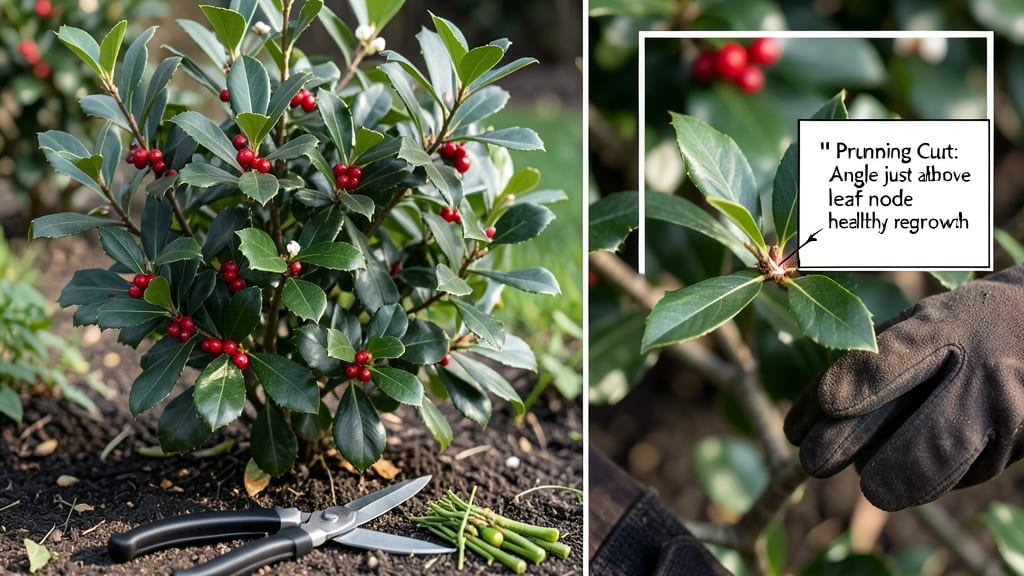
To cut holly bushes at the best time, aim for late winter or early spring just as new growth starts appearing. This timing prevents damaging the flowering buds that develop in late winter, while also encouraging vigorous regrowth and maintaining those prized winter berries.
Timing matters because holly bushes produce their signature red berries on old wood—meaning the branches that grew last year.
Pruning too late in spring risks cutting off next year's berries, while winter cuts can damage emerging flower buds. 🌿 I've found that pruning in late February or March (for most U.S. climates) gives the plant enough time to recover before summer heat arrives.
In warmer zones, you might shift this slightly earlier, but always wait until you see those first green shoots pushing through.
What's interesting is how this timing affects the plant's energy allocation. When you prune at the right moment, the holly redirects its resources toward filling out the remaining branches with dense foliage and preparing new growth for next year's berries.
This is why professional gardeners often say "prune when you can see the plant's intentions"—those early green shoots are your signal to act.
💡 In This Article
- Best Pruning Time for Holly Bushes: Understanding Growth Cycles
- Step-by-Step Guide to Pruning Holly Bushes for Healthy Growth
Best pruning time for holly bushes: understanding growth cycles
Holly bushes follow a precise seasonal rhythm where late winter or early spring timing aligns perfectly with their natural dormancy period. During these months, the plant has completed its berry production cycle and hasn't yet begun active growth.
This 3-4 week window before new shoots appear (typically late February to early March in most U.S. zones) is when holly bushes are most resilient to pruning.
The key mechanism here is that the plant's energy is still stored in its roots, allowing it to quickly regenerate new growth without stress.
What makes this timing critical is the holly's berry production system. These iconic red berries develop on old wood—branches that grew during the previous season. If you prune too late in spring or summer, you risk removing next year's berry-bearing branches.
Conversely, winter pruning can damage the flower buds that form in late winter, which are essential for pollination and berry development. The optimal window ensures you're only cutting back last year's growth that has already fulfilled its berry-producing role.
Climate zones significantly influence the exact timing. In cooler northern regions (zones 5-7), holly bushes may stay dormant longer, so pruning can extend into early April. Meanwhile, in warmer southern zones (8-10), new growth often appears as early as January, requiring pruning to occur by late February.
The rule of thumb is to wait until you see 10-15% of the plant showing green shoots—this visual cue indicates the plant is ready to regenerate without sacrificing its flowering potential.
There's a common misconception that holly bushes can be pruned anytime. However, summer pruning causes significant stress as the plant is actively growing and photosynthesizing. This can lead to sunscald on exposed areas and reduced berry production.
Similarly, heavy winter pruning can expose the plant to cold damage before it's had a chance to harden off properly. The late winter/early spring window provides that perfect balance of plant readiness and environmental safety.
What's fascinating is how this timing affects the plant's hormonal balance. During dormancy, holly bushes produce higher levels of auxin hormones in their roots, which stimulate new shoot growth when pruning occurs.
This natural response explains why holly bushes can recover so vigorously from proper pruning. In contrast, improper timing disrupts this hormonal cycle, leading to stunted growth or poor berry production.
For gardeners in transition zones (like zone 7b), it's helpful to monitor local weather patterns. A late frost can delay new growth by 2-3 weeks, so flexibility is key.
The goal is always to prune after the last expected frost but before the plant has committed more than 20% of its energy to new growth—this ensures you're not removing potential berry-producing branches while still encouraging dense foliage development.