
Pests
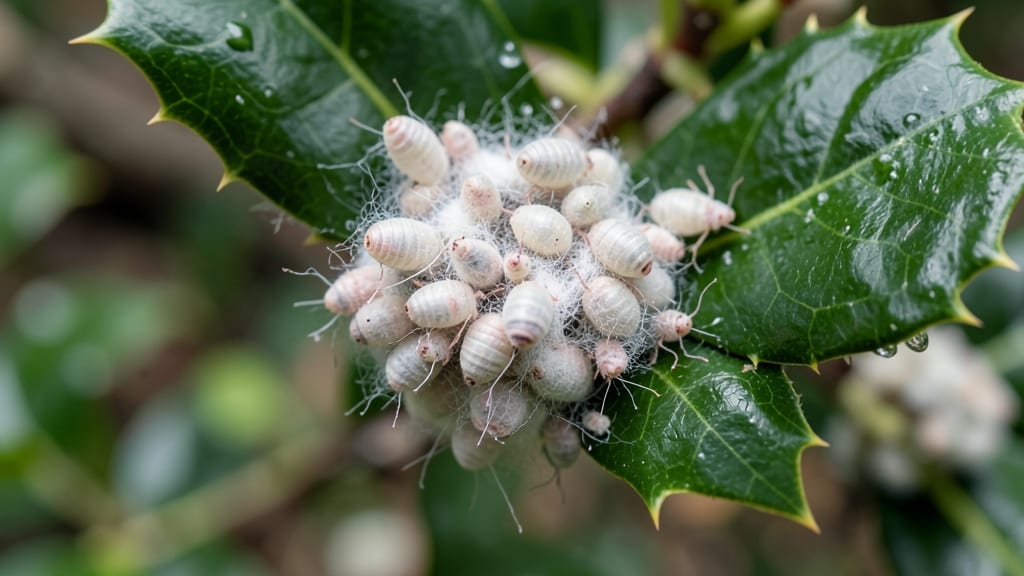
Mealybugs on holly bushes turn glossy leaves into sticky, white messes faster than you can say "holiday wreath." 🌿 I’ve wrestled with these pests on my own holly, and the key is acting fast before they turn your bush into a cotton candy nightmare.
These tiny invaders suck sap, leaving behind a gooey residue that attracts ants—and ruins your plant’s health. The good news? You don’t need harsh chemicals to win this battle.
A mix of neem oil, soapy water, and rubbing alcohol (yes, the kind in your medicine cabinet) can wipe them out in 3 targeted steps. The trick is consistency: check weekly, especially under leaves where they hide, and repeat treatments until they’re gone.
By the time you’re done, your holly will look vibrant and healthy again, with no sticky residue or weakened growth. The best part? Once you’ve mastered the method, you’ll spot early signs before they become a full-blown infestation. Let’s get those bugs off your bush for good.
Most people reach for store-bought sprays first, but that’s often overkill—and can harm beneficial insects. Instead, start with a soapy water spray (1 tsp mild dish soap per quart of water) to knock them off.
For stubborn cases, neem oil disrupts their life cycle without harming your holly. Just apply it in the evening to avoid sunburn on the leaves. You’ll notice a difference within a week if you’re diligent.
Mealybugs multiply fast, so don’t skip follow-up treatments. The goal is to break their cycle completely, not just hide the problem. Think of it like a game of whack-a-mole—patience and persistence pay off.
Prevention is where the real magic happens. Keep your holly well-watered but not soggy, as stressed plants attract pests. Prune regularly to improve airflow, and inspect new plants before bringing them home.
A healthy holly is the best defense against mealybugs—so feed it right and give it space to thrive. This method works for all holly varieties, from dwarf to giant. Whether you’re dealing with a single branch or a full bush, the same principles apply.
Once you’ve banished these pests, your holly will reward you with shiny, lush foliage all season long.
Root Causes of Holly Infestations
Mealybugs may seem like a random nuisance, but they’re actually drawn to holly bushes by a mix of environmental, biological, and even human factors. Understanding these triggers is the first step to preventing—and eliminating—them for good.
Let’s break down the key reasons these pests target your holly bushes, so you can address the root of the problem.
Mealybugs are opportunistic pests, and they thrive on stressed plants. Holly bushes emit chemical signals when they’re struggling—like a distress beacon for sap-sucking insects. Here’s why your holly might be sending out these signals:
- Poor soil health: Holly bushes prefer well-draining, slightly acidic soil (pH 5.0–6.0). If the soil is compacted, nutrient-poor, or waterlogged, the plant weakens, making it easier for mealybugs to latch on. Test your soil’s pH and amend it with compost or sulfur if needed.
- Overwatering or drought: Both extremes stress holly bushes. Overwatering leads to root rot, while drought causes wilting and nutrient deficiency. Mealybugs exploit these conditions because the plant’s defenses are down. Aim for 1–1.5 inches of water per week, adjusting for rainfall.
- Nutrient deficiencies: Lack of nitrogen, phosphorus, or potassium weakens holly bushes, making them more susceptible to pests. Yellowing leaves or stunted growth? It’s a red flag. Fertilize in early spring with a balanced, slow-release fertilizer.
- Physical damage: Pruning wounds, hail, or even bird pecking create entry points for mealybugs. The sap that oozes from these injuries is a mealybug buffet. Seal pruning cuts with pruning sealant to prevent infestations.
💡 Pro Tip: Healthy holly bushes are naturally resistant to mealybugs. Focus on preventative care—like mulching, proper watering, and regular inspections—to keep your plant robust.
Mealybugs aren’t picky eaters, but they have a preference for certain plant conditions that make holly bushes irresistible. Here’s what draws them in:
- Sticky honeydew: Mealybugs excrete a sugary substance called honeydew, which attracts ants (their protectors) and sooty mold (a black fungal growth). Once honeydew coats the leaves, it signals to other mealybugs: “This plant is a safe, food-rich zone!”
- New growth: Mealybugs favor tender, new shoots because they’re easier to penetrate. If your holly is producing lots of fresh growth, it’s a prime target. Monitor new growth closely in spring and summer.
- Warm, humid microclimates: Mealybugs love shady, sheltered spots where humidity lingers. If your holly is under dense foliage, against a wall, or in a container without airflow, it’s a mealybug paradise. Prune for airflow and avoid overcrowding plants.
- Cross-contamination: Mealybugs hitchhike on tools, wind, or other plants. If you’ve recently moved a potted holly or used infested pruners, you may have unknowingly introduced them. Always disinfect tools with rubbing alcohol between uses.
🔥 Warning: Mealybugs reproduce exponentially—a single female can produce hundreds of offspring in weeks. If you spot just a few, act fast before the infestation spirals.
Sometimes, our own gardening practices accidentally create the perfect conditions for mealybugs. Here’s how common mistakes play into their favor:
| Mistake | Why It Helps Mealybugs | How to Fix It |
|---|---|---|
| Over-fertilizing with high nitrogen | Excess nitrogen promotes soft, sugary growth that mealybugs adore. | Use a balanced fertilizer (e.g., 10-10-10) and follow package rates. |
| Ignoring ant trails | Ants farm mealybugs for honeydew, protecting them from predators. | Disrupt ant trails with diatomaceous earth or sticky barriers. |
| Skipping winter mulch | Cold stress weakens holly bushes, making them vulnerable in early spring. | Apply 2–3 inches of mulch in late fall to insulate roots. |
| Using plastic pots without drainage | Trapped moisture in containers creates ideal mealybug breeding grounds. | Switch to terracotta or fabric pots with drainage holes. |
🎯 Key Takeaway: Mealybugs exploit weaknesses in your care routine. By adjusting just a few habits—like soil health, watering, and pest monitoring—you can make your holly bushes far less appealing to these pests.
Beat Back Mealybugs Naturally
Now that you know why mealybugs are crashing your holly bush party, it’s time to kick them out for good—without harsh chemicals. The key is targeted, organic action based on the severity of the infestation.
Below, we’ll break down the best fixes for each cause, plus pro tips to keep those cottony pests from returning.
If you caught the problem early (few clusters, no webbing), you can physically remove the bugs and stop them in their tracks.
👨🍳 Step 1: Isolate & Inspect
- 🌿 Trim infected branches (but don’t compost them—bag and toss).
- 🔍 Check every leaf, stem, and nook—mealybugs hide under buds and along crevices.
🧼 Step 2: Wipe Them Out
- 💦 Dampen a soft cloth or cotton swab with 70% isopropyl alcohol (or a mix of 1 tsp dish soap + 1 cup water).
- 🪵 Gently dab each bug—they’ll dissolve on contact.
No need to scrub hard; they’re soft targets. - 🌬️ Repeat every 3–5 days for 2 weeks to catch hatchlings.
🌱 Step 3: Boost Plant Health
- 💧 Water at the base (not overhead) to avoid moistening leaves—mealybugs love humidity.
- 🌿 Feed with compost tea or fish emulsion to strengthen the bush’s defenses.
✨ Pro Tip: Do this on a cool, cloudy day—mealybugs are sluggish and easier to kill when not baking in the sun.
If the bugs are spreading but haven’t taken over, horticultural oil or natural predators can turn the tide.
🛢️ Step 1: Apply Horticultural Oil
- 🛒 Mix 1 tbsp neem oil + 1 tsp castile soap + 1 quart water (or use refined mineral oil if you prefer).
- 🌿 Spray thoroughly (top and bottom of leaves) on a still evening—avoid direct sun to prevent leaf burn.
- ⏰ Reapply every 5–7 days for 3 weeks.
Oil smothers bugs and disrupts their life cycle.
🐞 Step 2: Bring in the Cavalry
🐜 Ladybugs, lacewings, and parasitic wasps (like Aphytis melinus) love mealybugs.
Buy them online or attract them with: - 🌼 Plant companion flowers (dill, fennel, yarrow) near your holly. - 💧 Provide a shallow water dish with pebbles for insects to drink safely.
💡 Pro Tip: If using oil, wait 24 hours before releasing beneficial insects—oil can harm them too.
When mealybugs have webbing, honeydew, and new generations, you’ll need a two-pronged attack: systemic treatment + cultural fixes.
🌿 Step 1: Soil Drench with Systemic Solution
- 💊 Use kaolin clay (like Surround WP) or systemic neem granules (mixed into soil).
- 🌱 Water deeply to activate the treatment—it’ll be absorbed by roots and circulated through the plant.
- 📅 Repeat monthly until the bush recovers (usually 2–3 months).
🪒 Step 2: Prune & Sterilize
- ✂️ Cut off heavily infested branches (up to 1/3 of the plant if needed).
- 🔥 Sterilize pruners with rubbing alcohol between cuts to avoid spreading bugs.
- 🗑️ Bag and trash infected clippings—do not compost.
🌡️ Step 3: Adjust Care to Disrupt Their Habitat
- ☀️ Increase airflow by thinning dense branches—mealybugs thrive in stagnant, humid conditions.
- 💧 Reduce overhead watering (use drip irrigation instead).
- 🌿 Mulch with pine needles or gravel (not organic mulch) to deter moisture-loving pests.
🎯 Pro Tip: If your holly is stressed (underwatered, overcrowded, or nutrient-deficient), mealybugs will double down. Fix the plant’s health first!
Once you’ve won the battle, lock in victory with these long-term strategies:
- 🌿 Inspect new plants before bringing them home—quarantine for 2 weeks.
- 🕷️ Encourage spiders and birds (they eat mealybugs too!).
- 🌱 Rotate organic sprays (neem, insecticidal soap, kaolin clay) seasonally to prevent resistance.
- 🍂 Clean up debris in fall—mealybugs hide in old leaves and buds.
💡 Final Pro Tip: Healthy holly = tougher holly. A well-fed, properly pruned bush is far less appealing to mealybugs than a stressed one.
With persistence, your holly will bounce back bug-free and beautiful**—and you’ll be the hero of your garden! 🌿💪
Frequently asked questions
How do I know if my holly bush has mealybugs?
Look for white, cottony clusters in leaf crevices, under buds, or along stems. You might also spot sticky honeydew on leaves (a sign ants are nearby) or black sooty mold growing on the residue. Check both leaf surfaces and new growth areas—mealybugs love hiding there.
Will mealybugs kill my holly bush?
Not immediately, but severe infestations weaken your holly by sucking sap, causing yellowing leaves, stunted growth, and even leaf drop. Left unchecked, they can attract ants and fungal diseases. The good news? Early treatment with neem oil or soapy water can save your bush before it becomes a major issue.
Can I use store-bought insecticides on holly bushes?
You can, but organic options are safer for your plant and pollinators. Chemical sprays like pyrethrin work fast but may harm beneficial insects. For holly bushes, neem oil, horticultural oil, or insecticidal soap are more effective and eco-friendly long-term solutions.
Why do mealybugs keep coming back after treatment?
Mealybugs reproduce quickly—one female can produce hundreds of eggs! If you don’t treat for at least 3-4 weeks, new hatchlings will replace the ones you killed. Also, check for hidden eggs (tiny white ovals) and repeat treatments every 5-7 days until no more bugs appear.
How can I prevent mealybugs from spreading to other plants?
Isolate infested holly bushes and sterilize tools with rubbing alcohol between uses. Avoid overhead watering (use drip irrigation instead) and remove fallen leaves/debris where mealybugs hide. If you have multiple plants, treat them all preventatively with kaolin clay or neem oil.