
Shrubs
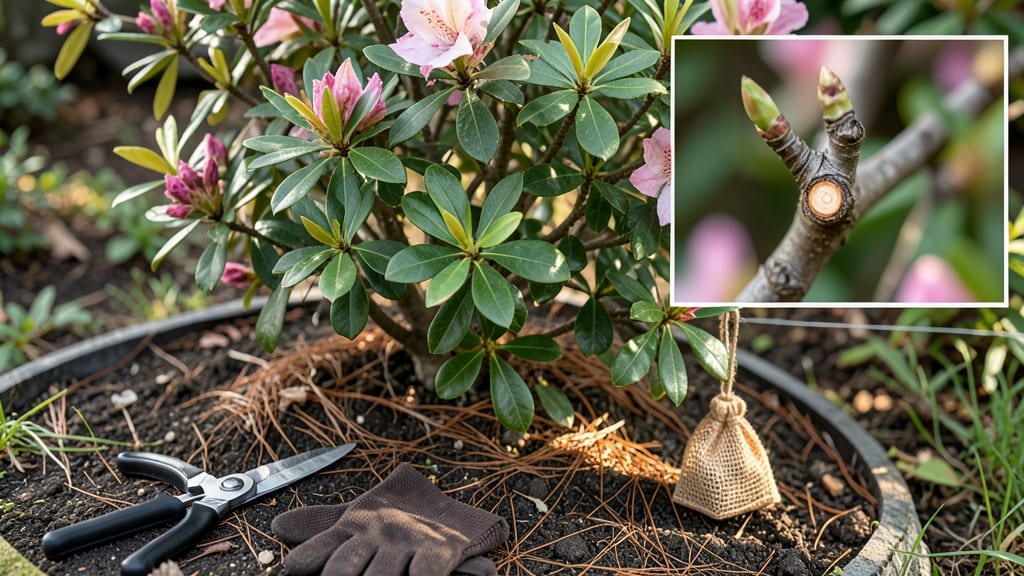
Cutting azalea bushes in late winter—right after their spring blooms fade—is the key to next year’s most vibrant display 🌸.
Picture this: You’ve waited all season for your azaleas to burst into color, only to watch them struggle with sparse blooms or leggy growth. The problem? Pruning at the wrong time—whether too early (when buds are still forming) or too late (after new leaves appear).
Late winter is the perfect window, but timing it right means avoiding common mistakes that could leave your shrubs stressed or even dead.
For gardeners in USDA Zone 6a and beyond, the goal is to prune after the last frost but before fresh leaves push out—typically between mid-February and early March. This timing ensures you’re not cutting off next year’s flower buds, which form on last year’s growth.
But what if you missed the window? I’ll cover how to recover and still get those show-stopping blooms.
In this guide, you’ll learn the exact steps to prune like a pro, from choosing the right tools to shaping your azaleas for healthier growth and longer-lasting flowers. No guesswork—just actionable tips to transform your shrubs into a springtime showstopper.
Best late winter timing for azalea pruning (and why it matters)
Azaleas reward precise timing with vibrant blooms and healthy growth, but cutting them at the wrong time can stunt flowering or invite disease. The optimal window is late winter—after spring blooms fade but before new leaves emerge. This dormant-season pruning minimizes stress while encouraging robust spring growth.
Pruning during dormancy allows you to shape the plant without removing next year’s flower buds. Most azaleas bloom on old wood, meaning their flowers form on last year’s growth. Cutting too early removes these buds, while waiting too long risks overcrowded branches and reduced airflow.
Your USDA zone dictates the exact timing. In zones 6-7, aim for February to early March when frost threats subside. Gardeners in zones 8-9 should prune in late January to February, as milder winters delay dormancy. Always check for leaf buds—prune before they swell!
Here’s the science behind dormancy-based pruning: Azaleas enter dormancy in fall, conserving energy. Late winter pruning taps into stored nutrients to fuel new growth without depleting reserves. Cutting too early (like in winter’s chill) stresses the plant, while waiting until spring risks overgrown branches and blocked sunlight.
Regional microclimates can shift your timing by 2-3 weeks. For example, coastal zones 8-9 may prune in December due to mild winters, while inland zone 7 might delay until mid-March. Watch for daylength changes: Prune when days lengthen but frost risk remains low.
Pruning too early—like in deep winter—can expose tender cambium layers to frost damage. Conversely, cutting after leaf buds swell removes potential blooms. Always prioritize post-bloom timing for spring-flowering azaleas (e.g., Rhododendron hybrids), but Satsuki azaleas (late summer bloomers) need a different approach.
Your azalea’s variety also matters. Evergreen azaleas (like ‘Girard’s Pink’) bloom on old wood, so late winter pruning is critical. Deciduous types (e.g., ‘Hershey Red’) can tolerate summer pruning, but late winter still yields better blooms. Always research your specific cultivar!
Pro tip: Mark your calendar based on your last frost date. Prune 4-6 weeks before your area’s average last frost to ensure no new growth emerges before cold snaps. For zone 7, this often means late February—but verify with your local extension office for precision.
After pruning, mulch heavily with pine bark or pine needles to retain moisture and acidify soil. Avoid nitrogen-heavy fertilizers immediately post-prune, as they encourage leafy growth over flowers. Instead, apply a balanced 10-10-10 fertilizer in early spring to support blooming.
With the right timing, your azaleas will thank you with lush foliage and abundant blooms. The key? Patience and precision—prune when the plant is dormant but ready to wake, and you’ll set the stage for a showstopping spring display. 🌸
Step-by-step azalea pruning guide: tools, techniques, and critical cuts
Pruning your azaleas correctly transforms them from sparse shrubs into vibrant blooming powerhouses. The key lies in using the right tools and making precision cuts at the right time. I’ve pruned dozens of azaleas, and I can tell you—skipping these steps often leads to fewer flowers and leggy growth.
Let’s dive into the essentials to get your azaleas thriving again.
First, gather your pruning tools. For small branches, a pair of bypass pruners is ideal—they make clean cuts without crushing stems. For thicker branches (over ½ inch in diameter), switch to loppers or a pruning saw.
Always sterilize your tools with rubbing alcohol to prevent spreading diseases like bacterial blight. I also keep a small sharpener handy to maintain blade precision.
- Step 1: Wait for Late Winter Dormancy – Prune azaleas immediately after blooming ends (typically April-May in most USDA zones 6-9). Look for dormant buds forming but no new leaf growth.
- Step 2: Remove Dead or Weak Wood – Cut out dead branches first, then thin out crossing branches to improve airflow. Aim for an open vase shape.
- Step 3: Shape for Airflow – Trim back overgrown branches by ⅓ of their length to encourage bushier growth. Avoid cutting into old wood—focus on current season’s growth.
- Step 4: Clean Up Debris – Remove all pruned branches and fallen leaves from the area to prevent pests and diseases.
- Step 5: Fertilize Lightly – Apply a balanced fertilizer (like 10-10-10) after pruning to support new growth. Water deeply to help roots recover.
When making cuts, always aim for a 45-degree angle just above a leaf bud or branch collar. This angle helps water run off and prevents rot. I avoid cutting flush to the trunk—this can damage the cambium layer, which is essential for new growth.
For thicker branches, make a small notch on the underside first to guide your cut and prevent tearing.
Shaping your azalea isn’t just about aesthetics—it’s about bloom density. Focus on creating an open center to allow sunlight and air to reach all parts of the shrub. This reduces humidity buildup, which can lead to fungal infections.
I like to step back every few cuts to visualize the shape. If your azalea looks too dense, it’s time to thin out more branches.
Common pruning mistakes can turn your azalea into a shadow of its former self. Never prune in summer or fall—this encourages tender new growth that won’t survive winter. Avoid over-pruning more than ⅓ of the plant at once, or you’ll shock the shrub.
And for the love of gardening, don’t top azaleas—this leads to weak, leggy growth with fewer blooms. I’ve seen too many gardeners make this mistake!
After pruning, monitor your azalea closely for signs of stress, like yellowing leaves or dropping buds. If you notice these, reduce watering slightly and avoid fertilizing until new growth appears. With the right cuts and care, your azalea will reward you with lush blooms next season. Happy pruning!