
Pests and Diseases
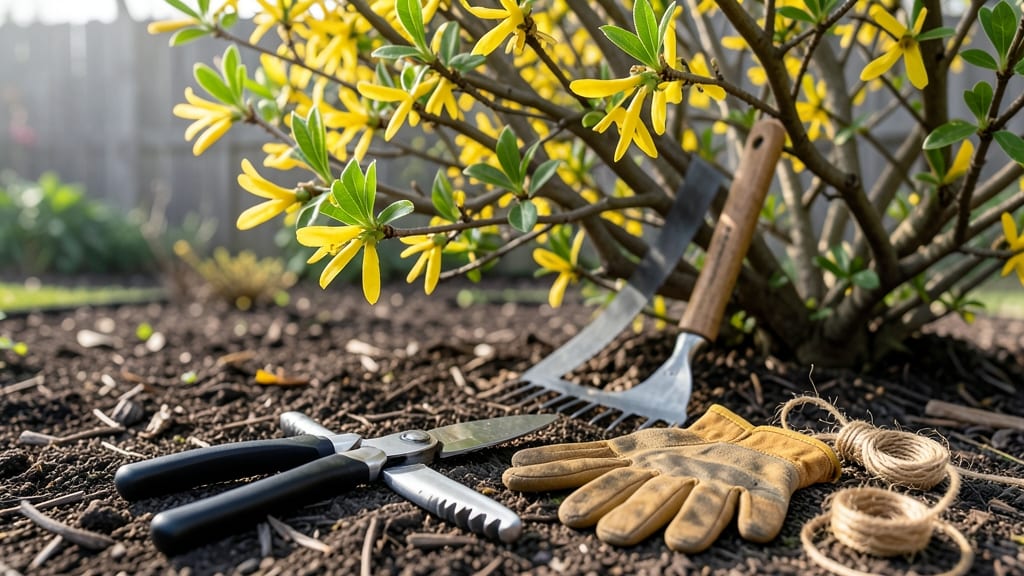
The best time to trim a forsythia bush is late winter to early spring—right after the last frost but before the buds swell—when the plant is dormant but ready to burst into 🌸.
Picture this: You’ve waited all winter for those bright yellow blooms to light up your yard, only to realize you pruned too late and missed next year’s show. That’s the risk when you don’t time it just right.
Forsythia thrives on a sharp trim in its dormant phase, which encourages fresh growth and abundant flowers. Skipping this step or cutting at the wrong time can leave your shrub looking ragged—and worse, with fewer blooms come spring.
In this guide, I’ll walk you through the exact window for trimming in your zone, the tools you’ll need, and how to shape your bush without sacrificing those stunning yellow bursts of color.
The ideal late winter timing for trimming forsythia bushes
Forsythia bushes burst into vibrant yellow blooms each spring, signaling the end of winter. But timing your late-winter pruning is everything—trim too early, and you risk cutting off next year’s flower buds.
Trim too late, and your shrub loses its shape before blooming season. The perfect window is just after the flowers fade but before new growth begins, typically in February or March.
This timing ensures you remove last year’s spent wood while preserving the dormant flower buds that form on one-year-old stems. Forsythia blooms on old wood, meaning the flowers grow from branches that developed the previous season.
If you prune at the wrong time, you could accidentally snip off these buds before they have a chance to bloom.
Here’s the critical rule: Aim to finish pruning by mid-March in most regions. In colder climates, you might delay until April to avoid late frosts damaging fresh cuts. The goal is to shape your forsythia while keeping it primed for its springtime show.
| Pruning Stage | Best Time | Key Action | Regional Adjustment |
|---|---|---|---|
| Post-Bloom | Late February - Early March | Remove dead or weak branches | Zones 3-5: Wait until late March |
| Pre-Leaf-Out | Mid-March - Early April | Shape bush, cut back overgrown branches by 1/3 | Zones 6-9: Trim by mid-March |
| Critical Deadline | Before new growth appears | Avoid cutting flower buds on old wood | All zones: Never prune after buds swell |
| Late Trim Warning | After April 15 | Risk of reduced blooms next year | Zones 7-9: Minimal trimming after April |
In colder US regions (Zones 3–5), forsythia bushes often enter dormancy later. Wait until after the last frost but before buds begin to swell—usually late March or early April. This delay prevents frost damage to fresh cuts and ensures buds remain intact.
In milder climates (Zones 6–9), you can trim as early as February, but always check for bud swell first.
One common mistake is pruning too aggressively to encourage bushier growth. Forsythia responds best to moderate trimming—cutting back one-third of the oldest stems each year maintains its shape while preserving flower production. Avoid shearing or topping, as this can lead to a leggy, sparse shrub with fewer blooms.
If you miss the late-winter window, don’t panic. A light pruning in early spring (just before buds open) is better than no pruning at all. However, the earlier you trim, the more flower buds you’ll preserve for next year’s display.
Think of it as scheduling your forsythia’s spring performance—timing is everything for that dazzling yellow curtain of blooms.
Pro tip: Mark your calendar for February 15 as your target date. If you’re unsure, check for bud swell—tiny green bumps on last year’s branches. Once you see these, it’s time to put away the pruners until next season. Your forsythia will thank you with a bloom-filled spring.
Remember, forsythia’s lifespan and bloom quality depend on this late-winter pruning ritual. By mastering the timing, you’ll enjoy healthier growth and more abundant flowers year after year. Happy pruning!
Step-by-step pruning guide: how to trim without sacrificing blooms
Pruning your forsythia bush correctly ensures vibrant blooms next spring while maintaining its shape. The key is to remove old, woody stems that no longer produce flowers, but timing and technique matter.
Cut too late, and you risk pruning off next year’s flower buds, which form on last year’s growth.
Start by gathering your tools: sharp bypass pruners, sterilized shears, and gloves to protect your hands. Work on a dry, sunny day when the bush is dormant but before new growth starts.
This window—typically late February to early March—gives your forsythia the best chance to recover and bloom beautifully.
Step-by-Step Forsythia Pruning
- Step 1: Identify Dead or Diseased Branches Look for brown, brittle stems or those with peeling bark. These should be removed first, cutting back to healthy wood.
- Step 2: Cut Back Old Wood Prune one-third of the oldest stems at the base. Focus on thick, woody branches that haven’t bloomed well in years.
- Step 3: Shape the Bush Thin out crossing or rubbing branches to improve airflow. Aim for an open, vase-like shape to encourage sunlight penetration.
- Step 4: Avoid Over-Pruning Never remove more than one-third of the bush in a single year. This prevents stress and ensures strong regrowth.
- Step 5: Clean Up Dispose of pruned debris immediately to prevent disease spread. Sterilize your tools with rubbing alcohol afterward.
One common mistake is pruning too late—after buds have formed but before blooming. If you see swollen buds along the stems, wait until after the spring blooms fade (usually by late April) before pruning. This ensures you don’t accidentally cut off next year’s flowers.
For young forsythia bushes, focus on light shaping rather than heavy pruning. Let them establish a strong framework first. Mature bushes, on the other hand, benefit from rejuvenation pruning every few years to remove overcrowded stems and encourage vigorous new growth.
After pruning, apply a layer of mulch around the base to retain moisture and protect roots. Water deeply but infrequently to encourage a strong recovery. With the right technique, your forsythia will reward you with even more stunning blooms next spring! 🌸