
Blooming
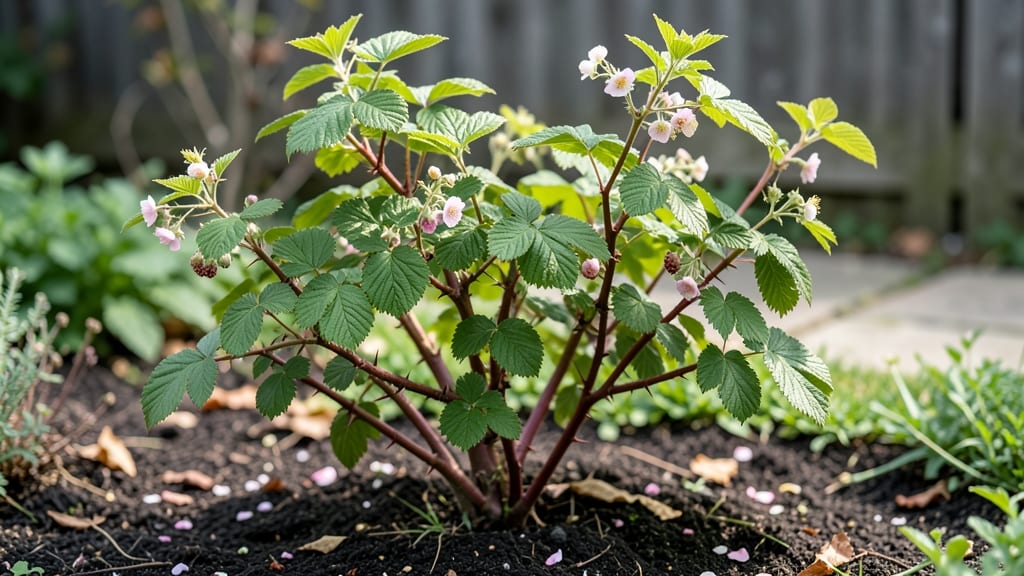
Raspberry bushes bloom in late spring to early summer 🍇 — but the exact timing depends on your climate zone, variety, and a few tricks to coax them along.
Timing is everything when growing raspberries—plant too early or late, and you might miss the sweet, juicy harvest you’ve been dreaming of. Understanding your climate zone’s unique bloom schedule can mean the difference between bumper crops and disappointment.
In Zone 6a, where many gardeners start their raspberry adventures, blooms typically appear in May for summer-bearing varieties, while fall-bearing types may flower twice—once in early summer and again in late summer. But throw in a late frost or heatwave, and those delicate flowers can vanish overnight.
Below, I’ll break down the perfect bloom windows by zone, how to spot early signs of flowers, and the simple adjustments you can make to extend your harvest season—no matter where you garden.
Raspberry bloom timing by USDA climate zones: when to expect flowers
Understanding when raspberry bushes bloom is crucial for maximizing your harvest. The timing varies dramatically depending on your USDA climate zone, raspberry type, and local temperature patterns. Summer-bearing varieties produce flowers on second-year canes (floricanes), while fall-bearing types flower on first-year canes (primocanes).
Let's explore the bloom windows for each zone to help you plan your planting schedule.
In colder zones like USDA 3-5, raspberries typically bloom in late May to early June after the last frost date. Warmer zones such as USDA 8-10 see blooms as early as February to March, sometimes even in winter.
The key is knowing your last frost date and selecting varieties that align with your climate's natural rhythm.
Temperature plays a critical role in triggering flowering. Raspberries need a period of dormancy in winter followed by consistent warmth to break dormancy.
For example, in USDA 6-7, blooms usually appear in April to May, while in USDA 9-10, they may start as early as January in microclimates with mild winters.
Here’s a quick reference for bloom timing across USDA zones:
For summer-bearing raspberries, blooms appear in spring on second-year canes, while fall-bearing varieties produce flowers on first-year canes throughout the growing season. This means fall-bearing types can yield fruit twice a year—once in summer on floricanes and again in fall on primocanes.
Adjust your planting schedule based on your zone. In USDA 3-5, plant in early spring to give canes time to establish before winter. In USDA 8-10, consider planting in late winter or early spring to avoid heat stress.
Always choose varieties suited to your zone for the best bloom timing and fruit production.
Protect young canes from late frosts by using row covers or selecting early-blooming varieties. In warmer zones, provide light shade during peak summer to prevent flower drop. Mulching with straw or wood chips helps regulate soil temperature and moisture, encouraging consistent blooming.
Monitor your raspberries closely in early spring for signs of bud swell, which indicates imminent blooming. In USDA 9-10, you might even see blooms in winter if temperatures stay mild.
Always prune old canes in late winter to make room for new growth and better air circulation, which promotes healthier blooms.
If your raspberries aren’t blooming on schedule, check for nutrient deficiencies, particularly phosphorus and potassium. A soil test can reveal imbalances. Over-fertilizing with nitrogen can delay flowering, so use a balanced fertilizer like 10-10-10 in early spring and again after harvest.
By aligning your planting and care routines with your zone’s natural bloom cycle, you’ll enjoy a bountiful raspberry harvest year after year. Keep track of your local frost dates and variety performance to refine your approach each season. Happy gardening! 🍇
How to extend raspberry bloom season: pruning, fertilizing, and climate hacks
Raspberry bushes naturally produce flowers in late spring to early summer, but with the right techniques, you can coax them into a second flush of blooms later in the season.
The key lies in understanding your raspberry variety—summer-bearing types produce one crop on floricanes (second-year canes), while fall-bearing types bear fruit on primocanes (first-year canes) and can produce two harvests with proper care.
To maximize blooms, start by pruning strategically—remove dead or weak canes in late winter and thin crowded growth to improve air circulation. This encourages new primocane growth that will flower later in the season. Pair this with balanced fertilization to avoid overfeeding nitrogen, which can delay flowering.
Prune after harvest
Remove floricanes (fruit-bearing canes) after harvest to redirect energy to primocanes for a second bloom.
Fertilize in early summer
Apply a low-nitrogen fertilizer (5-10-10) in June or July to promote primocane flowering without excessive leaf growth.
Use row covers for late blooms
Protect fall flowers from late frosts with frost blankets or row covers until temperatures stabilize above 32°F.
Mulch to regulate soil temps
Apply 3-4 inches of mulch (straw or wood chips) to keep roots cool in summer and warm in winter, encouraging consistent flowering.
Water deeply during bloom
Provide 1-2 gallons per plant weekly during flowering stages to prevent stress and dropped blossoms.
For fall-bearing varieties, focus on preserving primocanes through the growing season. Avoid heavy pruning in summer, as this can reduce next year’s flowering potential. Instead, prune lightly to remove only diseased or crossing canes, leaving room for new growth.
Climate plays a huge role—if your area experiences hot summers, provide afternoon shade to prevent flower drop. In cooler zones, use black plastic mulch in early spring to warm the soil and jumpstart growth. Always monitor local frost dates and adjust your timeline accordingly.
Create a pre-bloom checklist to stay organized: test soil pH (ideal: 5.5-6.5), amend with compost, and prune in late winter. With these strategies, you can extend your raspberry bloom season by 4-6 weeks, giving you a longer harvest window for fresh berries.