
Blooming
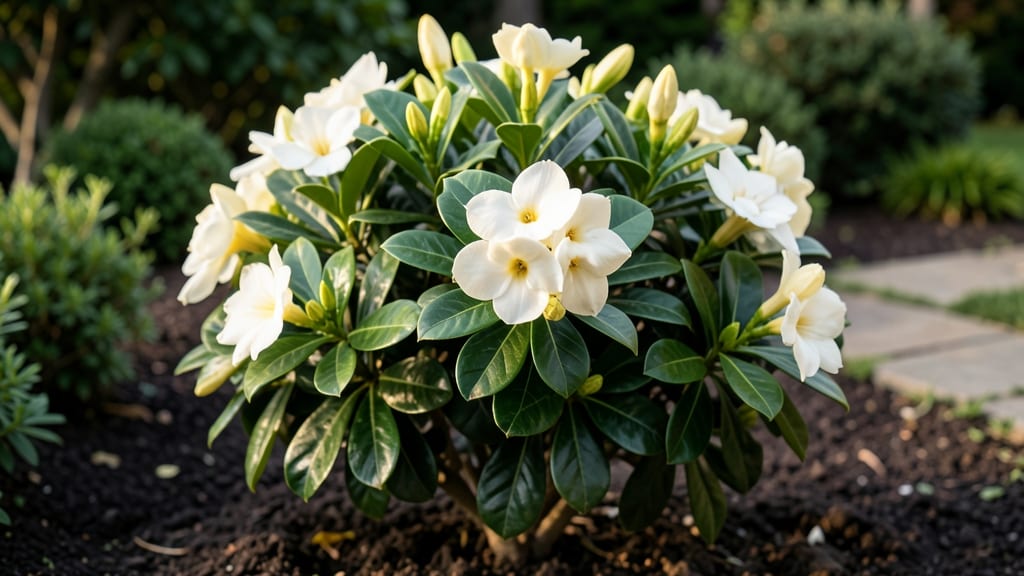
Gardenia bushes bloom in late spring to early summer 🌸, with timing that varies by variety and your climate zone.
If you’ve ever wondered why your gardenia bush isn’t blooming—or when to expect those intoxicating white flowers—timing is everything. Gardenias thrive on precision, and their bloom cycles depend on both variety and climate.
In warmer zones like 9b, most gardenias burst into bloom between April and June, while cooler zones (7a-8b) may see flowers as late as July. The key? Balancing sunlight, soil acidity, and consistent moisture to trigger those fragrant blossoms.
Here’s what you’ll discover: the exact bloom windows for popular varieties, how to adjust for your region, and 5 proven tricks to coax earlier—or longer—flowering from your gardenia.
Gardenia bloom seasons by variety: month-by-month breakdown
Timing is everything when it comes to gardenia blooms—these fragrant shrubs follow precise seasonal rhythms that vary by variety and climate zone.
In USDA Zones 8–11, most gardenias burst into bloom between late winter and early summer, but the exact months depend on whether you’re growing early bloomers like G. radicans or late-season stars like G. augusta.
Understanding these patterns helps you anticipate their intoxicating scent and adjust care for longer-lasting flowers.
For example, G. jasminoides—the most common gardenia—typically blooms from April to June in Zone 9, but in cooler Zone 8, buds may not open until May or June.
Meanwhile, dwarf varieties like G. radicans often bloom earlier (March–April), while tropical G. augusta can extend blooming into July or August in heat-loving climates. Let’s break down the exact months for each variety and how to align their bloom cycles with your local growing season.
🌸 Key Tip: Gardenias need 6–8 weeks of warm temperatures (above 60°F) before blooming. In Zone 10–11, this means blooms can start as early as February, while Zone 8 gardeners may see delays until late May. Adjust expectations based on your last frost date—buds form in late winter, but cold snaps can stall them.
If you’re in Zone 8, note that gardenias often delay blooming until after the last frost (typically mid-May). To encourage earlier flowers, prune in late winter (February) to remove dead wood and stimulate new growth.
In Zone 11, where winters are mild, gardenias may bloom year-round if conditions are ideal, but peak seasons still follow the spring–summer pattern.
Humidity plays a critical role in gardenia blooming. In dry climates (e.g., Zone 9 with low humidity), blooms may be smaller or fewer.
How climate zones shift gardenia blooming windows (and how to adjust)
If you live in USDA Zones 8–11, your gardenia’s blooming window can shift dramatically based on local conditions. In Zone 11’s tropical heat, gardenias may bloom year-round, while Zone 8’s cooler springs delay flowers until late May or June.
Understanding these shifts helps you time care tasks—like pruning or fertilizing—to align with your plant’s natural rhythm.
Humidity plays a surprising role too. High humidity in Zone 9b–11 keeps blooms lush, but dry air in Zone 8 can cause buds to drop before opening. Sunlight exposure also matters: Morning sun + afternoon shade is ideal, but too much direct sun in Zone 10–11 can scorch buds.
Let’s break down how to adjust your gardenia’s care for your specific climate.
⚠️ Blooming Delays by Zone
Zone 8: Buds form late (April–May) due to cooler springs. Zone 11: Continuous blooms possible but may fade in peak summer heat (July–August). Zone 9b: Peak blooms align with March–June, but drought stress can halt flowering mid-season.
Pro Tip: In Zone 8, protect buds from late frosts with frost cloth. In Zone 11, provide afternoon shade to prevent bud drop.
To synchronize blooms with your region’s peak season, start by monitoring temperature trends. Gardenias need 60–70°F daytime temps to set buds, but consistent high heat above 90°F (common in Zone 10–11) can stress plants.
If your gardenia blooms sporadically, check for low humidity—a hygrometer helps track levels below 50%, which triggers bud drop.
Adjust sunlight gradually if relocating plants. Move Zone 11 gardenias to 50% shade during July–August to prevent leaf scorch. For Zone 8 gardenias, extend morning sun exposure in March–April to jumpstart bud formation. A light meter confirms ideal 4–6 hours of indirect light daily.
Fertilizer timing also shifts with climate. In Zone 9b–11, feed phosphorus-rich fertilizer (like 10-20-10) in February–March to encourage early blooms. In Zone 8, wait until April–May when soil warms. Over-fertilizing in Zone 11’s heat can lead to leafy growth over blooms, so reduce feeding in summer.
Finally, mulch deeply in Zone 8–9b to insulate roots from temperature swings. Use 3–4 inches of pine bark mulch to maintain 60–65°F soil temps, which gardenias prefer. In Zone 11, mulch also retains moisture during dry spells, preventing bud abortion.
With these adjustments, your gardenia will bloom earlier in cooler zones and longer in warm climates, delivering fragrant flowers right when you expect them. 🌸