
Light Requirements
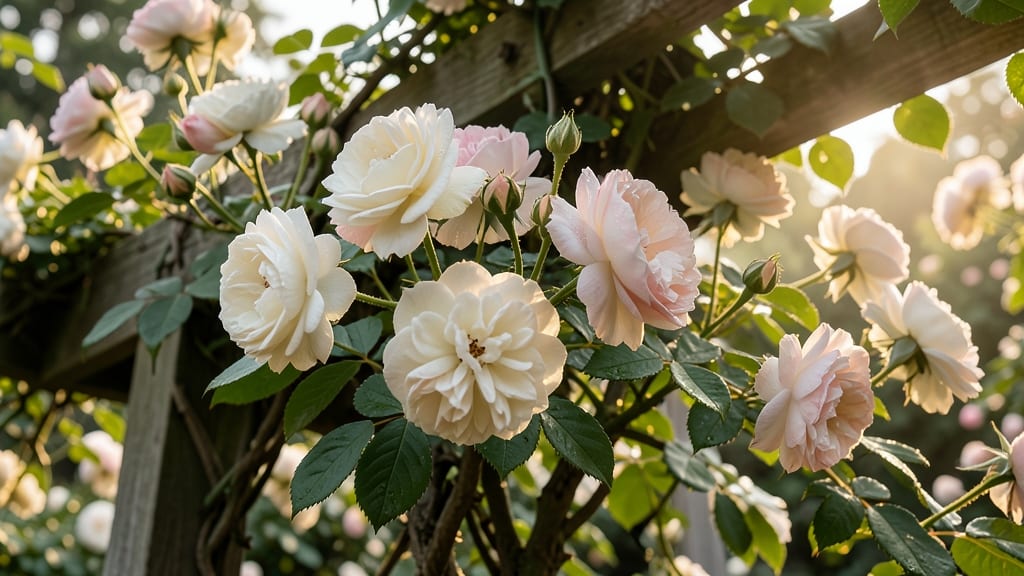
Struggling to identify that mysterious rose bush in your garden? This quick guide uses leaf shapes and bloom colors to help you pinpoint exactly which rose variety you’re growing—no botanist degree required.
Hybrid Tea Roses by Classic Blooms
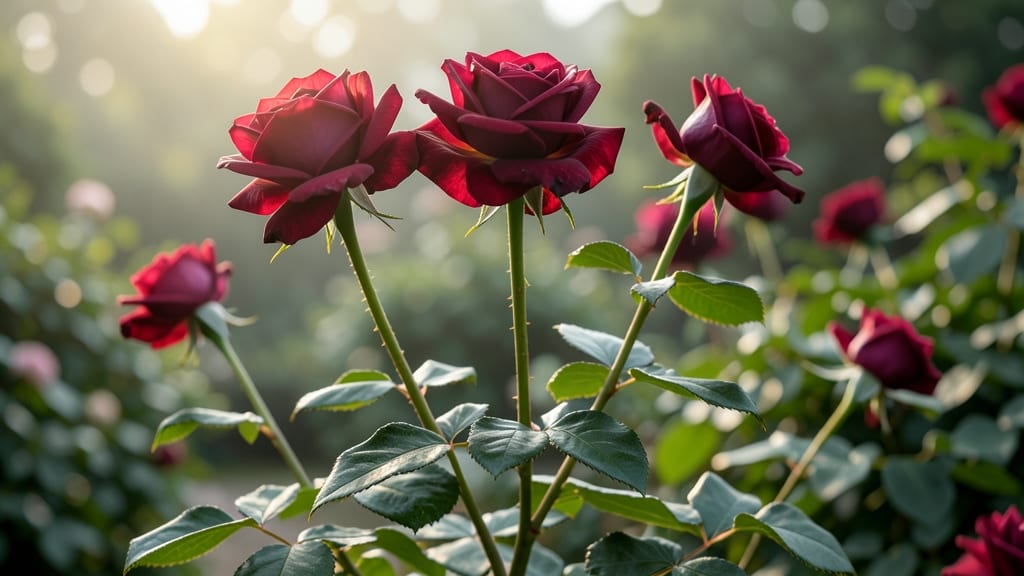
If your rose bush produces large, high-centered blooms on long stems and looks like it belongs in a bouquet, you’ve likely found a hybrid tea rose. These are the classic roses of floral arrangements, prized for their glossy, dark green foliage and dramatic, single-stemmed flowers that can reach 4-6 inches wide.
Hybrid tea roses thrive in full sun (6+ hours daily) and well-drained soil, making them ideal for formal gardens or cut-flower beds. Look for their distinctive bud shape—pointed and tightly clustered before opening—and their repeat-blooming habit, which keeps your garden (or vase) filled with color from early summer to frost. Deadhead spent blooms to encourage more flowers.
Perfect for gardeners who love traditional elegance, these roses are also beginner-friendly once established. Their long, straight stems make them the top choice for florists, but they’ll also bring sophistication to your backyard. 🌻
Floribunda Roses with Clustered Flowers
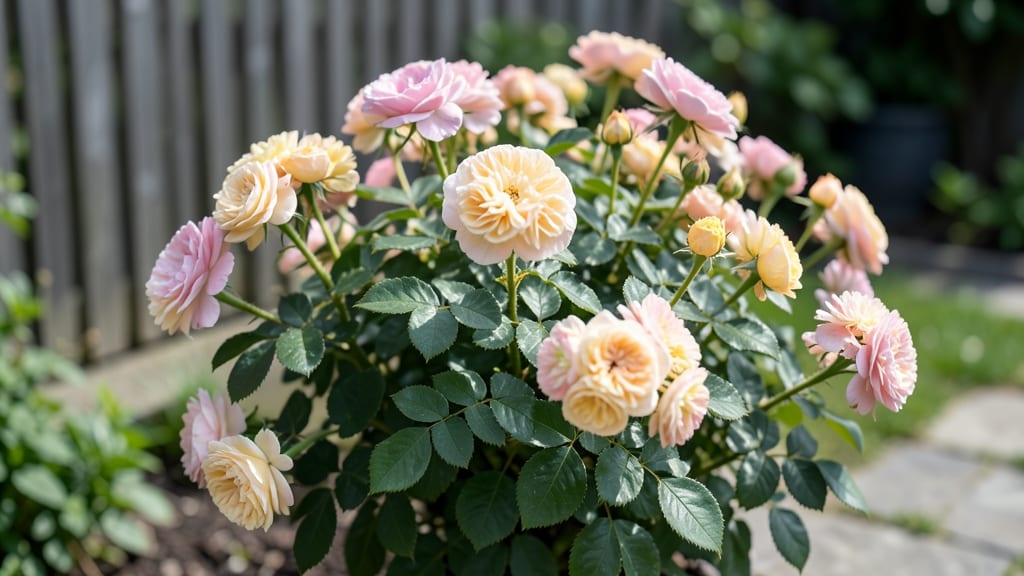
If your rose bush bursts with clusters of smaller blooms instead of single, showy flowers, you’re likely growing a floribunda rose—the perfect cottage garden workhorse. These compact bushes thrive in borders, offering repeat blooms throughout the season with minimal fuss, making them ideal for busy gardeners.
Look for 3-5 flowers grouped together on sturdy stems, with a bushy growth habit reaching 3-5 feet tall. Unlike hybrid teas, floribundas don’t produce one giant bloom—their charm lies in continuous clusters that attract pollinators. They’re also disease-resistant compared to fancier varieties, so they handle humidity and rain better. Plant them in full sun for the best flowering, and prune lightly after blooming to encourage next year’s display.
Floribundas are the secret weapon for cottage-style gardens, urban yards, and even containers. Their low-maintenance nature and colorful clusters make them a top pick for gardeners who love roses without the high upkeep. 🌻
Climbing Roses with Long Canes
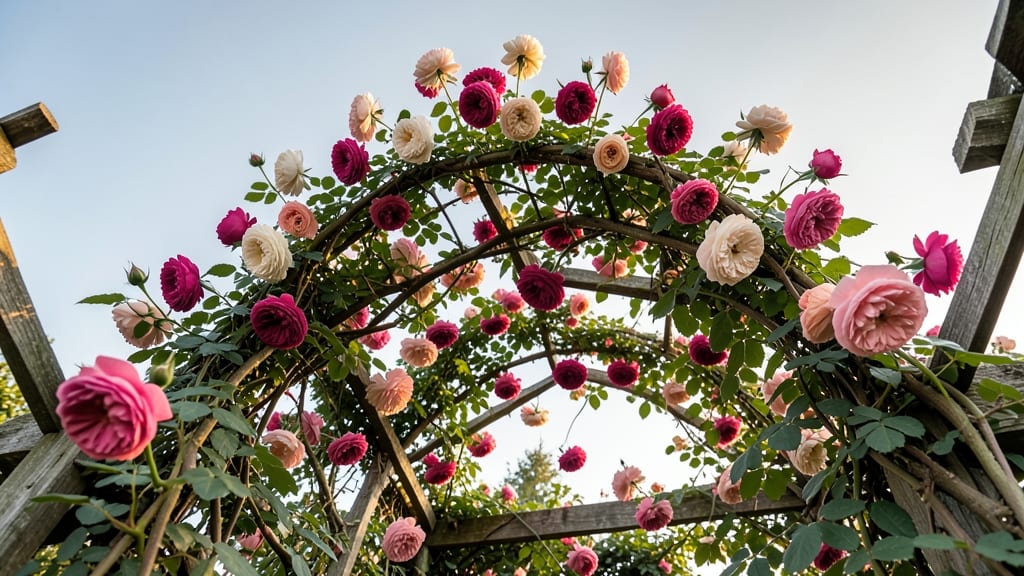
If your rose bush is reaching skyward with long, arching canes and producing large, showstopping blooms, you’ve likely got a climbing rose. These vertical showstoppers are perfect for adding drama to fences, trellises, or arbors—just give them 6 hours of full sun daily and watch them thrive with minimal fuss.
Climbing roses are easy to spot by their woody, flexible canes that can grow 10-20 feet long, along with their big, often repeat-blooming flowers. Unlike bush roses, they don’t need heavy pruning—just trim back dead wood in late winter and shape new growth to encourage airflow. Varieties like 'New Dawn' or 'Blaze' are especially low-maintenance and perfect for beginners.
These roses are ideal for gardeners who want vertical impact without the upkeep of formal hedges. They’re also fantastic for small spaces, urban gardens, or anywhere you need to maximize growing area. 🌻
Shrub Roses with Disease Resistance
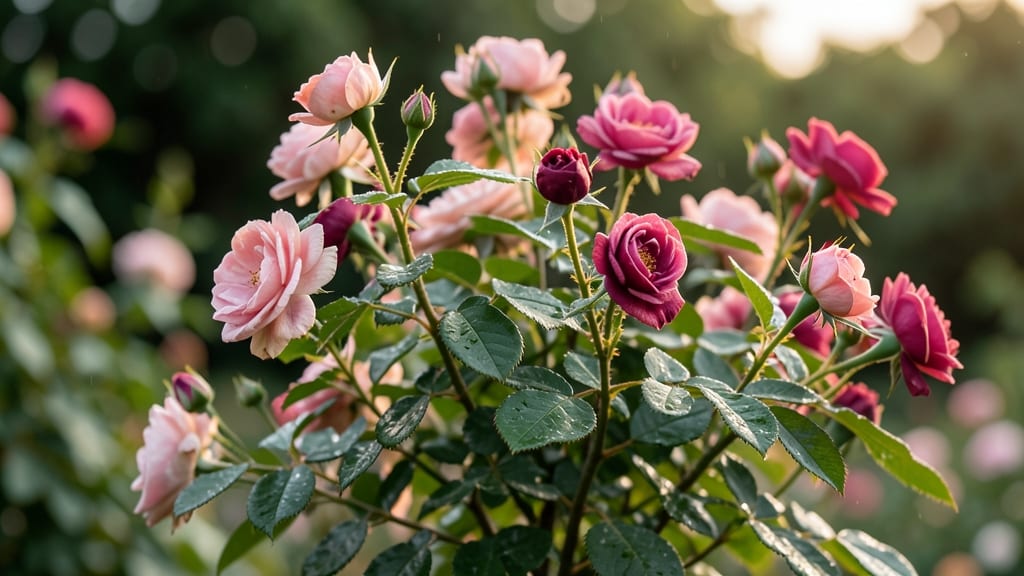
Tired of roses that wilt at the first sign of rain or pests? Shrub roses like Knock Out® or Dr. Huey are bred to fight back—these hardy varieties thrive with minimal fuss and resist common diseases like black spot and powdery mildew.
Look for clusters of small-to-medium blooms (3-4 inches wide) on bushy stems with thornless or lightly thorned branches—ideal for wildlife gardens where birds and butterflies can forage safely. They bloom repeatedly from spring to frost and tolerate partial shade, making them perfect for urban gardens or shady borders.
These roses are the ultimate low-maintenance choice for busy gardeners or those new to rose care. Their disease resistance means fewer chemicals and healthier plants year after year. 🌻
Old Garden Roses with Rugosa Leaves
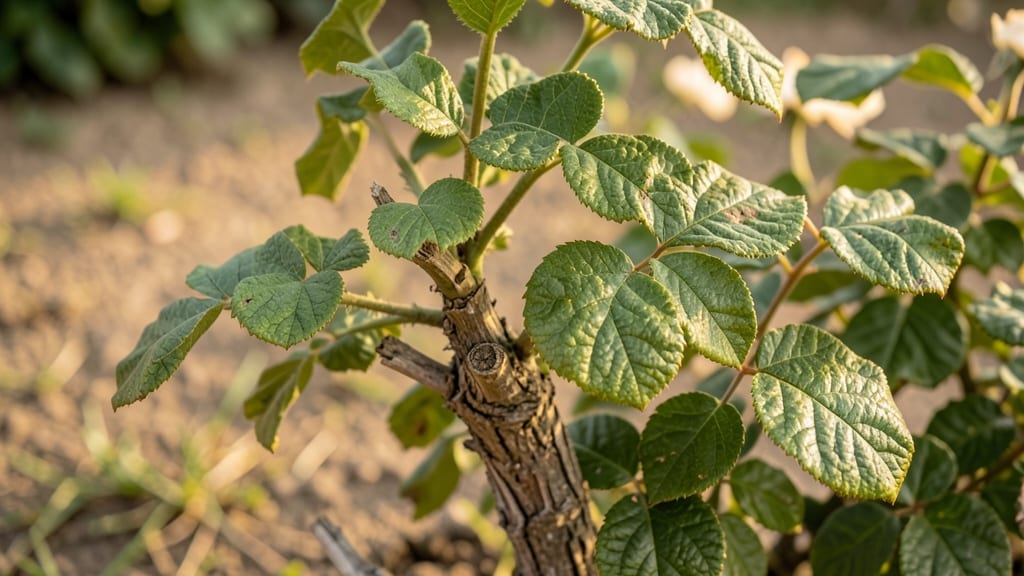
If your rose bush has wrinkled, apple-green leaves that look like they’ve been crumpled and left in the sun, you’re likely dealing with an old garden rose—specifically one with rugosa leaves. These roses aren’t just pretty; they’re tough survivors that thrive where other roses would struggle, making them perfect for coastal gardens or urban landscapes with salty air or poor soil.
The distinctive leaves are your first clue, but also look for high-centered blooms in shades of pink, white, or yellow, often with a strong, spicy fragrance. Unlike fussy hybrid roses, these varieties handle drought, wind, and even salt spray like champions. They also produce bright red rose hips in fall, which birds adore. Prune lightly in late winter to encourage bushier growth.
Urban gardeners and coastal homeowners will love how these roses require minimal care while adding texture and fragrance. Their disease resistance means fewer pesticides and more time enjoying their blooms. 🌻
Polyantha Roses with Tiny Blooms
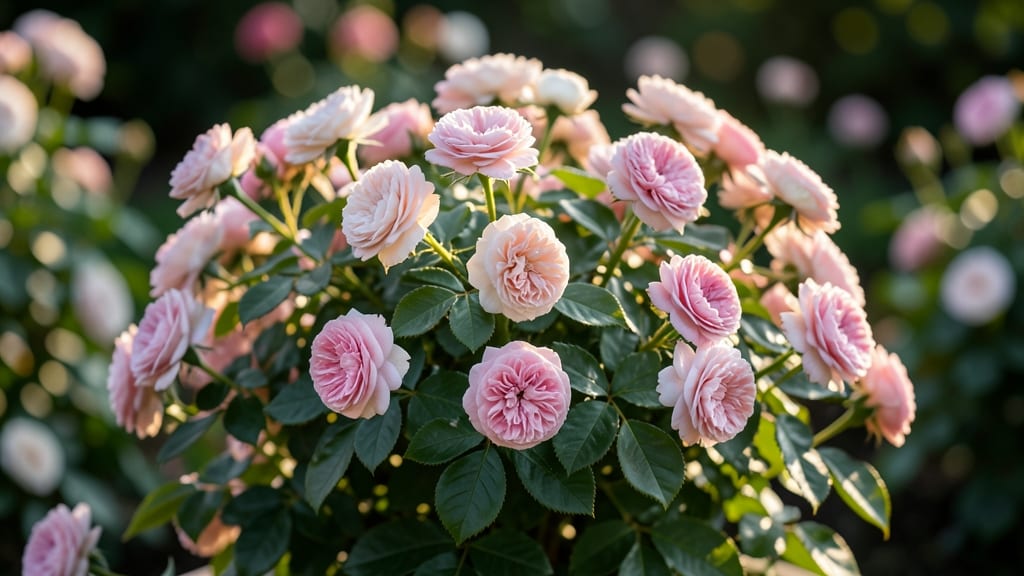
If your rose bush has tiny, clustered blooms that bloom repeatedly throughout the season, you’re likely dealing with a polyantha rose. These compact beauties are the unsung heroes of small gardens, containers, and tight spaces where bigger roses won’t fit.
Look for dark green, glossy leaves and small, rounded buds (about 1 inch wide) that open into delicate, often fragrant flowers. Unlike hybrid teas, polyanthas produce multiple blooms per stem, creating a lush, continuous display. They thrive in full sun to partial shade and are drought-tolerant once established, making them ideal for beginners or busy gardeners.
Perfect for urban balconies, window boxes, or edging garden paths, these roses require minimal pruning—just trim back dead wood in late winter to encourage fresh growth. Their repeat-blooming nature means you’ll enjoy color from early summer through fall with almost no effort. 🌻
Groundcover Roses for Slopes
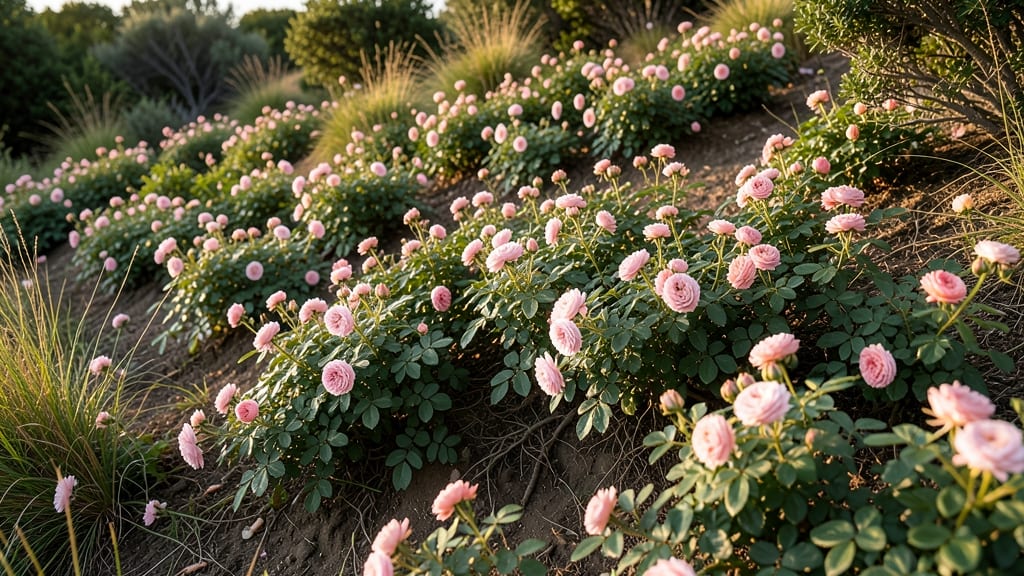
If your garden has tricky slopes or steep terrain, groundcover roses are the unsung heroes you need. These low-growing, spreading varieties create a lush, erosion-resistant carpet while adding delicate blooms to your landscape—no formal pruning required.
Look for tiny, clustered flowers (often pink, white, or yellow) and dense foliage that spreads 3-6 feet wide. Popular varieties like ‘Dr. Huey’ or ‘The Fairy’ thrive in full sun and well-drained soil, making them perfect for sunny slopes or as a living mulch to suppress weeds. Their shallow roots help stabilize soil while their fragrant blooms attract pollinators.
These roses are ideal for urban gardeners with slopes, eco-conscious landscapers, or anyone tired of bare, eroding ground. Plant them in early spring for a low-maintenance, high-impact solution that keeps your garden looking polished all season. 🌿
Tea Roses with Delicate Petals
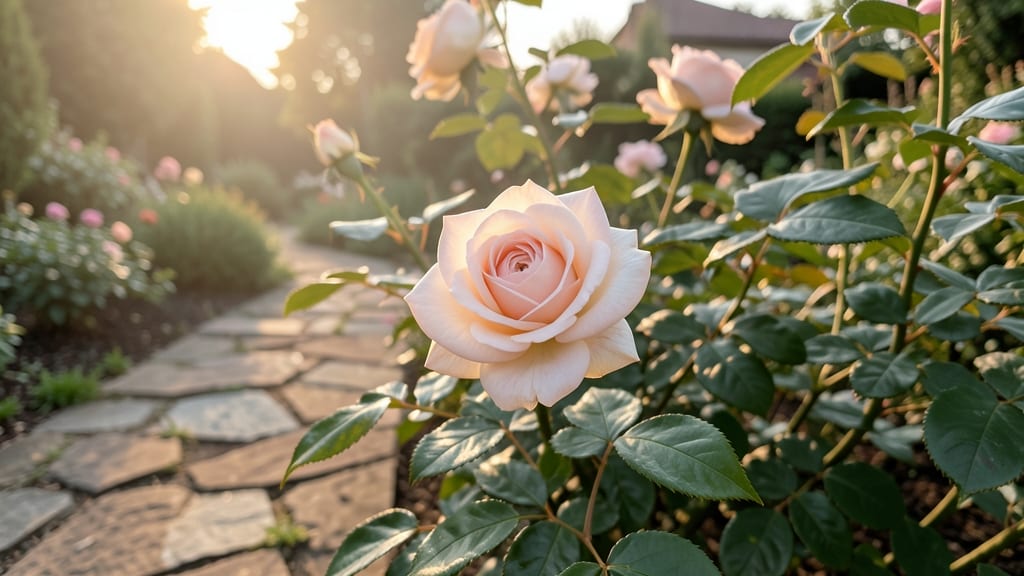
If your rose bush produces single, elegant blooms with layers of silky petals and a subtle fragrance, chances are you’re growing a tea rose. These classic varieties were the darlings of Victorian gardens, prized for their refined appearance and delicate charm—often found in pastel hues like blush pink, ivory, or soft yellow.
Look for high-centered buds that unfurl into one bloom per stem, and dark green, glossy leaves with a slightly serrated edge. Tea roses thrive in full sun to partial shade and prefer well-drained soil. Deadhead spent blooms to encourage more flowers, and prune lightly after blooming to maintain their neat, upright habit. Their fragrant blooms make them ideal for cutting gardens or as a centerpiece in cottage-style landscapes.
Perfect for gardeners who love old-world elegance, tea roses are also great for beginners—they’re less prone to disease than hybrid teas but still offer that romantic, timeless appeal. 🌷
Species Roses with Wild Appeal
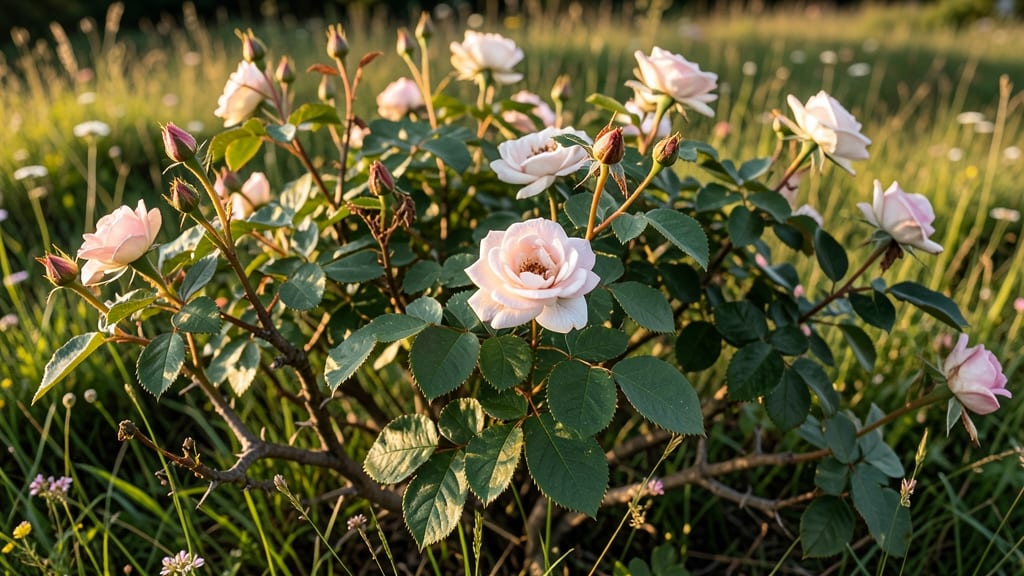
If your rose bush looks like it belongs in a wild meadow rather than a manicured garden, it might be a species rose—like Rosa rugosa or Rosa canina. These native varieties stand out with their rugged charm, deep green leaves, and unique serrated edges.
Species roses thrive in full sun to partial shade and are incredibly hardy, often surviving harsh winters and salty coastal conditions. Their five-petaled blooms (usually pink, red, or white) attract pollinators like bees and butterflies, making them ideal for wildlife-friendly gardens. Look for thick, leathery leaves and hip fruits forming after blooms fade—key identifiers!
Perfect for gardeners who love low-maintenance plants with a natural look, these roses also resist pests and diseases better than hybrid varieties. They’re your go-to for adding wild beauty without the fuss. 🌿
Noisette Roses with Fragrant Clusters

If your rose bush bursts with semi-double to double blooms that release a heady, sweet fragrance—especially in late spring or summer—you might be growing a Noisette rose. These roses are prized in perfumery for their intense scent, often featuring creamy white or soft pink blooms that cluster along arching stems.
Look for glossy, medium-green leaves with a slightly serrated edge, and stems that grow upright but can be trained into hedges. Noisette roses thrive in temperate climates and prefer full sun to partial shade, making them ideal for fragrant hedges or romantic garden borders. Their repeat-blooming nature means you’ll enjoy their perfume from early summer through fall.
Perfect for gardeners who love low-maintenance hedges with a luxurious scent, these roses also attract pollinators and add a touch of old-world charm to any landscape. 🌷