
Pruning
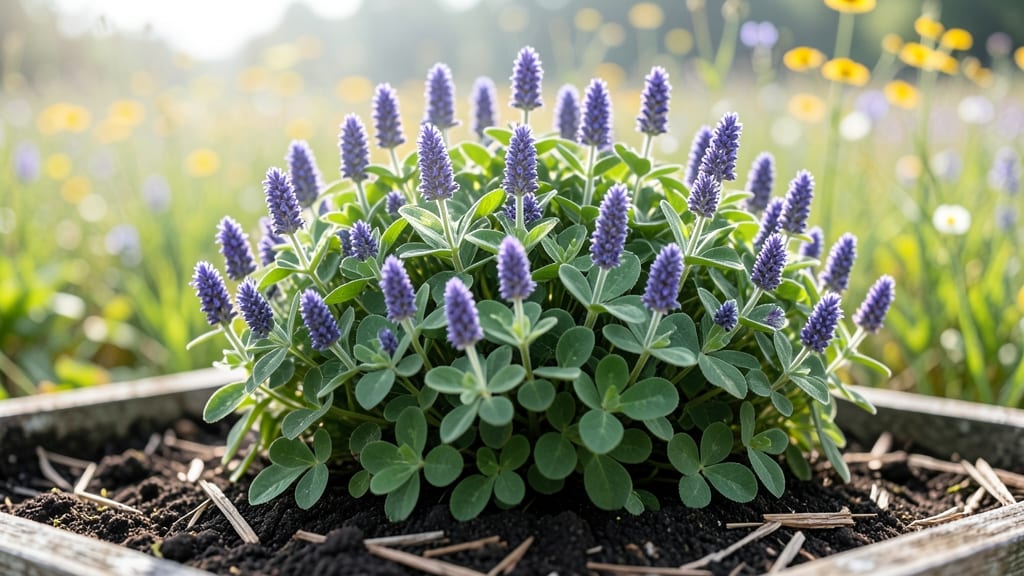
Pruning violet bush clover transforms it from a scraggly shrub into a lush, blooming powerhouse—and it’s easier than you think. 🌿 I’ve pruned mine every spring for five years, and the difference is night-and-day: thicker foliage, more flowers, and blooms that last from summer through fall.
The key is timing and technique, not brute force.
This hardy plant thrives in full sun and well-draining soil, making it perfect for borders, slopes, or even as a pollinator magnet. Start by snipping back one-third of the oldest stems in early spring before new growth appears—this encourages bushier growth and prevents woody stems.
For year-round color, give it a light trim after each major bloom cycle (spring, summer, and fall).
What you’ll end up with is a neat, vibrant shrub that stays compact, blooms nonstop, and attracts bees and butterflies like crazy. The flowers even add a lovely lavender-purple hue to fall landscapes. Plus, it’s deer-resistant and drought-tolerant once established—meaning less work for you.
Works in zones 5-9, whether you’re shaping a hedge, stabilizing a slope, or just adding color to a sunny spot. The pruning method scales from small gardens to large landscapes. Ready to give it a try?
📚 In This Guide
- What you need
- Instructions
- Tips and common mistakes
- Wrapping up and next steps
What you need
- ○ Pruning shears: Bypass pruners (sharp, clean, and sterilized with rubbing alcohol to prevent disease). Optional: Loppers for thicker stems.
- ● Gloves: Heavy-duty gardening gloves (to protect from thorns and sap). Tip: Choose breathable fabric for comfort during long sessions!
- ● Disinfectant: 1 part bleach to 9 parts water (for sanitizing tools between cuts).
- ● Pruning saw: Only if needed for stubborn, woody stems (avoid if your clover is young or flexible).
- ○ Garden twine or ties: (Optional) For securing heavy branches post-prune.
- ● Trash bag or bucket: To collect pruned debris (compost later if disease-free!).
- ● Timing: Prune in early spring (before new growth) or right after flowering (late summer/fall) for optimal regrowth.
- ● Weather: Choose a dry, overcast day to minimize stress on the plant.
- ● Health check: Remove only dead, diseased, or crossing branches—never prune more than ⅓ of the plant at once!
- ● Sunlight access: Ensure the area around your clover gets 6+ hours of sunlight daily post-prune.
Step-by-Step pruning guide for violet bush clover
This is how I transform leggy clover into a lush, blooming bush—no guesswork, just proven cuts.
✂️ Step 1: Time Your Pruning for Peak Growth
Prune violet bush clover right after flowering in early summer when new growth is already pushing out. This ensures you're cutting back just as the plant is about to regenerate. Avoid pruning in fall—you'll remove next year's flower buds hidden in those woody stems. I like to work on a dry, sunny morning when the plant's moisture levels are balanced.
Look for healthy, mature stems that have finished blooming and are starting to brown at the tips. These are your pruning targets. Newer growth will be softer and brighter green, while older stems feel woody when you run your thumb along them. Use sharp bypass pruners to make clean cuts—dull blades crush stems and invite disease.
✂️ Step 2: Cut Back Hard for Bushier Structure
Remove one-third to one-half of the oldest, leggiest stems right at the base. This might sound drastic, but violet bush clover responds beautifully to aggressive pruning. The goal is to encourage new shoots from the base that will fill in the center and create that dense, bushy look. I always prune just above a leaf node where three leaves meet—the plant will sprout fresh growth from that spot.
Don't worry about the plant looking bare after pruning. Within 2-3 weeks, you'll see pinkish new shoots pushing out from the base. These will develop into your next round of blooms. If you're working with an established plant, you can also lightly trim some of the newer stems by half their length to encourage branching. This creates more flower clusters later in the season.
☀️ Step 3: Deadhead and Maintain Through the Season
After the initial pruning, deadhead spent blooms every 1-2 weeks throughout the growing season. Simply pinch off the flower clusters just above the next set of leaves. This redirects the plant's energy from seed production to more vibrant blooms. I use my fingers for small flowers—no tools needed. For larger clumps, clean pruners work best.
Watch for new growth at the base after your first pruning. When these shoots reach 4-6 inches tall, give them a light trim to encourage bushiness. This is where you'll see your plant transform from a straggly mess into a dense, flowering bush. In late summer, do a final light pruning to remove any woody or crossing stems—this improves airflow and prevents fungal issues.
⏰ Step 4: Prepare for Winter and Next Year's Growth
In late fall, cut back any remaining flower stems to about 6 inches from the ground. This keeps the plant tidy and prevents pests from overwintering in dead growth. Violet bush clover is hardy, but a clean cut-back helps it enter dormancy stronger. I never prune into winter—wait until the first frost warning has passed, but before the ground freezes.
In early spring, do a final light pruning to remove any dead or damaged stems. You'll notice new green shoots emerging from the base by late March or early April. This is your signal that the plant is ready to bloom again. A light feeding with balanced fertilizer at this time encourages the most vibrant flowers of the season. The pruning you do now sets up year-round blooms if you maintain the cycle.
Tips & tricks for perfect violet bush clover pruning
Transforming your leggy violet bush clover into a thriving, blooming beauty takes more than just cutting—here’s how to get it right every time.
Timing is Everything: The early summer timing in Step 1 is critical because this is when the plant naturally shifts from flowering to regrowth. If you prune too early, you’ll cut off potential blooms; too late, and you miss the regrowth window. I’ve learned the hard way—wait until you see those browned flower tips before making a cut. This ensures you’re not removing next year’s buds hidden in the stems.
Tool Selection Matters: Sharp bypass pruners aren’t just a suggestion—they’re essential. Dull blades tear stems instead of making clean cuts, which creates entry points for disease and slows recovery. I keep a small pair dedicated just to my clover plants and sharpen them annually. For larger stems, a clean cut is your best friend for preventing ragged edges that can rot.
Visual Cues for Pruning: When you’re removing one-third to one-half of the oldest stems in Step 2, look for stems that feel woody when you run your thumb along them—that’s your target. Newer growth should be softer and brighter green, almost like the plant is telling you, “Leave me!” The key is to cut just above a leaf node where three leaves meet; this is where new shoots will emerge within those 2-3 weeks. I always count the nodes as I prune to ensure I’m making the right cuts.
Seasonal Maintenance Strategy: The 1-2 week deadheading schedule in Step 3 might seem frequent, but it’s what keeps your clover blooming all season. I set a reminder on my phone for every Tuesday to pinch off spent blooms—it takes less than 5 minutes and makes a world of difference. For the late summer pruning, focus on removing any crossing stems; this improves airflow and prevents fungal issues that can turn your beautiful bush into a sad, brown mess.
Pro Tips for Violet Bush Clover
- Transforming your leggy violet bush clover into a thriving, blooming beauty takes more than just cutting—here’s how to get it right every time.
- Timing is Everything: The early summer timing in Step 1 is critical because this is when the plant naturally shifts from flowering to regrowth.
- Tool Selection Matters: Sharp bypass pruners aren’t just a suggestion—they’re essential.
Frequently asked questions
Got questions about keeping your violet bush clover (Lespedeza thunbergii) thriving?
You’re not alone! Here are answers to the most common queries—from pruning timing to troubleshooting—so you can enjoy lush, blooming bushes all year.
When is the best time to prune violet bush clover for maximum blooms?
Prune your violet bush clover twice a year: late winter/early spring (just before new growth starts) to shape the plant and remove dead wood, and right after blooming (late summer) to encourage a second flush of flowers. Avoid heavy pruning in fall—it can stress the plant before winter.
How much can I trim back my violet bush clover without harming it?
You can safely cut back up to ⅓ of the plant’s height in one session, but avoid over-pruning. Focus on removing dead, crossing, or leggy branches first. For dramatic shaping, spread pruning over 2–3 sessions to reduce shock. Pro tip: Use clean, sharp shears to make 45-degree cuts just above a leaf node.
Why isn’t my violet bush clover blooming after pruning?
If your plant skips blooms, check these fixes:
- Light: Ensure it gets 6+ hours of sun daily—partial shade may reduce flowers.
- Fertilizer: A balanced 10-10-10 or low-phosphorus formula in spring can boost blooms.
- Pruning timing: Late-summer pruning should be light to avoid cutting off next year’s buds.
- Age: Young plants (<2 years) may need patience—blooms peak at 3–5 years old.
If issues persist, check for pests (like spider mites) or fungal issues (e.g., powdery mildew) on leaves.
Can I prune violet bush clover in fall, or should I wait?
Light deadheading (removing spent blooms) in fall is fine, but avoid heavy pruning—it can stimulate tender new growth that won’t survive winter. Instead, wait until late winter to do major shaping. Exception: If a branch is severely damaged (e.g., by storm or disease), trim it back immediately.
Are there alternatives to violet bush clover for low-maintenance, long-blooming shrubs?
If you love violet bush clover’s hardiness and color but want options, try these drought-tolerant, low-maintenance shrubs:
- Butterfly Bush (Buddleia): Attracts pollinators and blooms summer to fall.
- Abelia: Blooms spring to frost with glossy foliage.
- Dwarf Fothergilla: Fragrant spring blooms and vibrant fall color.
- Potentilla: Tough, repeat-blooming with purple/pink flowers.
All thrive in similar USDA Zones 5–9 and require minimal pruning.
Wrapping up and next steps
Violet bush clover is a stunning, low-maintenance plant that rewards your efforts with vibrant blooms and lush foliage—when you prune it right! 🌸 By following the right techniques, you’ll encourage bushier growth and keep those purple flowers coming all season.
Whether you’re a beginner or a seasoned gardener, a little trimming goes a long way in keeping your plant thriving.
Now that you’re armed with the tools, timing, and tips, it’s time to grab those shears and give your violet bush clover the TLC it deserves. Start small, stay consistent, and watch your plant flourish! Happy pruning—and enjoy the beautiful results! 🌿✨