
Shrubs
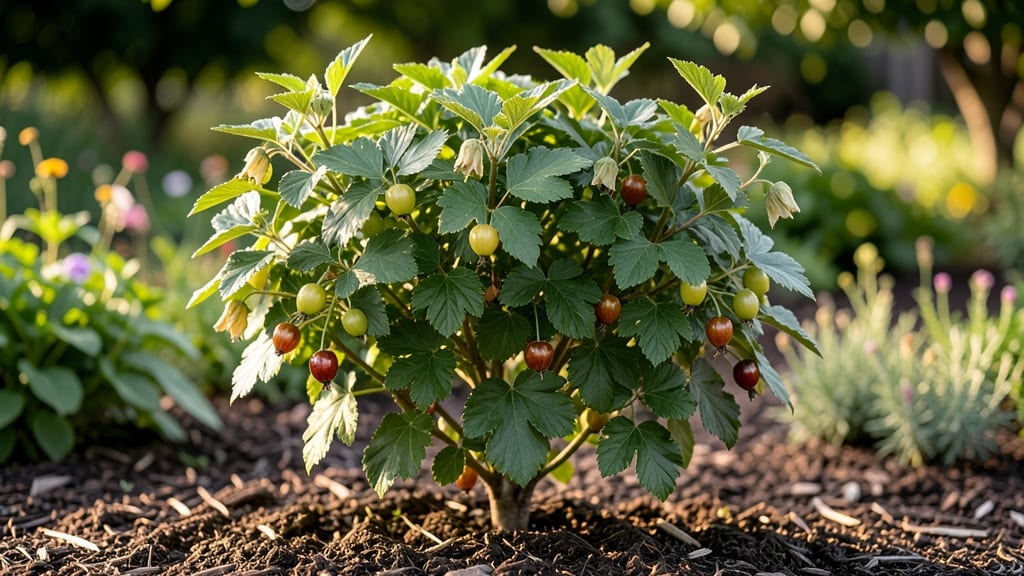
Growing thornless gooseberry bushes in containers is the easiest way to enjoy their sweet-tart fruit without the prickly hassle. 🌿 I’ve grown them for years, and these varieties produce juicy berries just as flavorful as traditional types—only without the thorns cutting your hands while harvesting.
The key is choosing the right container, soil, and sunlight spot, which I’ll walk you through step by step.
These bushes thrive in 5-gallon containers or larger, with well-draining soil rich in organic matter. They need full sun to partial shade (at least 4-6 hours of direct light daily) and benefit from regular watering—especially during fruit development.
Unlike their thorny cousins, thornless varieties are perfect for small spaces, balconies, or even windowsills if you choose dwarf types.
Pruning is simple: remove dead wood in early spring and trim back overgrown branches after harvest to keep the plant compact. With minimal care, you’ll get harvests in late summer, and the berries taste best fresh off the bush.
They’re also great for jams, pies, or just snacking straight from the plant.
One bonus? Fewer pests and diseases than traditional gooseberries, thanks to their hardier nature. If you’ve ever wanted to grow berries but dreaded the thorns, this is your chance—no gloves required. Let’s get those containers planted!
📚 In This Guide
- What you need
- Instructions
- Tips and common mistakes
- Wrapping up and next steps
What you need
- ● Thornless gooseberry plants: 1-3 bare-root or potted plants (choose disease-resistant varieties like 'Pixwell' or 'Invicta').
- ● Containers: 15-20 gallon pots (at least 18" deep) with drainage holes. Terra cotta or fabric pots work best!
- ● High-quality potting mix: 1 bag of well-draining, organic mix (avoid garden soil—it compacts!).
- ● Perlite or sand: 1 small bag (for improving drainage).
- ● Balanced fertilizer: 10-10-10 or organic option (like compost or worm castings).
- ● Pruning shears: Sharp, clean pair for trimming.
- ● Watering can or hose with nozzle: For gentle hydration.
- ○ Mulch (optional but helpful): Straw or shredded bark to retain moisture.
- ● Slow-release fertilizer tablets for convenience.
- ● Container saucers or trays to catch runoff.
- ● Support trellis or stakes (if training vines).
- ● pH test kit (to check soil acidity, ideal: 5.5-6.5).
- ● Epsom salt (for magnesium boost, especially in older plants).
Step-by-step instructions for growing thriving thornless gooseberry bushes in containers
Container growing makes thornless gooseberries effortless—here’s how to set them up for years of fruit with minimal fuss.
🪴 Step 1: Choose the Right Containers and Drainage
Thornless gooseberries need 5-gallon minimum containers—I use 15-gallon fabric grow bags for each plant to prevent root circling. Drill 4-6 drainage holes in the bottom if not pre-drilled, then line them with landscape fabric to keep soil from washing out while allowing excess water to escape.
Position containers on elevated stands or casters—gooseberries hate soggy roots, and containers without proper drainage will rot them within weeks. A south-facing balcony or ground-level spot with afternoon shade works best for most climates. Here’s the thing—gooseberries tolerate partial shade better than full sun, so if your space gets hot afternoons, a 50% shade cloth during peak heat prevents leaf scorch.
🌱 Step 2: Prepare the Soil and Plant Bare-Root Starts
Fill containers with a custom mix of 50% high-quality potting soil, 30% compost, and 20% perlite—this ensures aeration and moisture retention without compacting. Avoid garden soil; it compacts in containers and suffocates roots. I always sterilize the mix by baking it in the oven at 200°F for 30 minutes to kill fungal spores that cause damping-off.
Plant bare-root starts in early spring, burying the root crown 1 inch below soil level. Space 4 plants per 15-gallon container (or 2 plants per 5-gallon pot) to mimic natural bush density. Water deeply right after planting—until water runs freely from the drainage holes—to settle the soil and eliminate air pockets. You’ll know it’s right when the soil surface looks evenly damp but not glistening.
☀️ Step 3: Provide Light, Water, and Seasonal Care
Thornless gooseberries thrive in full sun to partial shade—6+ hours of morning sun with afternoon shade in hot climates. If growing indoors near a window, rotate the container quarter-turn weekly so the bush grows upright instead of leaning. You’ll see new growth within 3-4 weeks if light is adequate; leggy stems mean it’s time to move the plant closer to a brighter spot.
Water deeply every 3-4 days during the growing season, letting the top 2 inches of soil dry out between waterings. In summer heat, increase to every 2 days—gooseberries are drought-tolerant but produce better fruit with consistent moisture. Mulch with 2 inches of straw to retain humidity and suppress weeds. Fertilize once in early spring with a balanced 10-10-10 formula (follow package rates) to encourage vigorous new growth.
✂️ Step 4: Prune for Shape and Fruit Production
Prune annually in late winter or early spring before new growth begins. Remove dead, crossing, or weak branches at the base, then thin out 20% of the oldest canes to improve airflow and fruit quality. Thornless varieties still benefit from open-center shaping—aim for a rounded bush with 3-5 main branches. You’ll notice more berries and easier harvesting after just one pruning session.
After fruiting, cut back any branches that produced berries to half their length in late summer. This encourages next year’s fruit buds to form on new wood. Avoid heavy pruning in fall—gooseberries need dormant season to harden off, and late cuts stress the plant. Here’s the trick: prune when the bush is still dormant but before buds swell—usually late February to early March in most climates.
🍇 Step 5: Harvest and Overwinter for Next Year
Berries ripen mid-to-late summer, turning from green to deep purple or red depending on the variety. Harvest when they easily detach with a gentle twist—waiting too long makes them mealy. I pick every 2-3 days during peak season to prevent birds from stealing the crop. Store in the fridge for up to 2 weeks or freeze for later use.
In fall, reduce watering as the plant enters dormancy. Move containers to a protected spot (like a garage or unheated shed) if temperatures drop below 20°F. Wrap the pot in burlap for extra insulation. Resume watering lightly every 2 weeks during winter to prevent root desiccation. With proper overwintering, your gooseberry bushes will fruit reliably for 10+ years—that’s the magic of container growing.
Tips & tricks for thriving thornless gooseberry bushes in containers
Container gardening with thornless gooseberries is a game-changer for small spaces—here's how to maximize your success without the usual pitfalls.
Container Size Matters: While the instructions call for a 5-gallon minimum, I've found that the 15-gallon fabric grow bags make all the difference for long-term health. The extra space prevents root circling and gives your plants room to establish strong root systems. If you're working with limited space, consider using 7-gallon containers instead of 5-gallon—this middle ground still prevents overcrowding while being more practical for urban balconies. The key is maintaining that 1 inch of space between roots and container edges to prevent root binding.
Soil Sterilization Secret: That 200°F oven sterilization step in Step 2 might seem extreme, but it's worth it. I've seen damping-off wipe out entire batches of container-grown berries when using unsterilized soil. For those without an oven, microwave the soil mix in 2-minute increments (stirring between each) until it reaches 160°F internally. This kills fungal spores while preserving the soil's structure. The sterilized mix should smell earthy but not musty—this is your green light to proceed.
Watering Wisdom: The instructions recommend letting the top 2 inches dry between waterings, but here's the catch: containers dry out faster than ground soil. I've learned to check moisture by sticking my finger 2 inches deep—if it feels dry, it's time to water. In summer, I set up a drip irrigation system on a timer for 10 minutes every morning to maintain consistent moisture without overwatering. This mimics natural rainfall patterns and prevents the stress of fluctuating moisture levels that can reduce fruit production.
Pruning Precision: When thinning out 20% of the oldest canes in Step 4, focus on removing branches that are thinner than a pencil—these are the ones that won't produce quality fruit. The remaining branches should be about pencil thickness or thicker. I also recommend keeping a pruning journal to track which branches you remove each year. Over time, you'll notice patterns in which branches produce the most fruit, helping you make more informed pruning decisions for future years.
Pro Tips for Thornless Gooseberry Bushes
- Container gardening with thornless gooseberries is a game-changer for small spaces—here's how to maximize your success without the usual pitfalls.
- Container Size Matters: While the instructions call for a 5-gallon minimum, I've found that the 15-gallon fabric grow bags make all the difference for long-term health.
- Soil Sterilization Secret: That 200°F oven sterilization step in Step 2 might seem extreme, but it's worth it.
Frequently asked questions
Got questions about growing thornless gooseberry bushes?
You’re not alone! Here are answers to the most common queries—from planting to harvesting—so you can enjoy these easy-care shrubs with confidence.
How do I know if a gooseberry bush is truly thornless?
Look for varieties labeled as thornless (e.g., ‘Invicta’ or ‘Hinnonmäki Red’) or check the plant’s stems—thornless types have smooth, prickle-free branches. If you’re unsure, ask your nursery for a guarantee or inspect a few leaves for tiny, soft spines (a sign of thornless cultivars).
When is the best time to plant thornless gooseberry bushes?
Plant in early spring (just as new growth starts) or early fall (6–8 weeks before frost). Avoid extreme heat or cold, which can stress young roots. If using containers, spring planting gives the bush time to establish before winter. Pro tip: Water deeply after planting to settle soil around roots!
How often should I prune thornless gooseberry bushes?
Prune once a year in late winter or early spring (before buds swell) to remove dead wood, crossing branches, and overcrowded stems. Thin out older canes to improve airflow and fruit production. Bonus: Thornless bushes need less aggressive pruning—just focus on shaping and health!
Why aren’t my thornless gooseberry bushes producing fruit?
Common culprits include lack of pollinators (plant a second bush nearby), young age (bushes take 2–3 years to bear fruit), or poor sunlight (they need 6+ hours of sun daily). Check for pests/disease too—yellow leaves or spots may signal stress. Try this: Hand-pollinate flowers with a soft brush if bees are scarce!
Can I grow thornless gooseberries in containers, and what size pot do I need?
Use a 5-gallon container minimum (bigger = better for root growth). Ensure pots have drainage holes and fill with well-draining soil mixed with compost. Repot every 2–3 years to refresh nutrients. Container hack: Place pots near a fence or trellis for support as the bush grows.
Wrapping up and next steps
Growing thornless gooseberry bushes in containers is a rewarding way to enjoy fresh, flavorful fruit with minimal fuss! 🌱 Whether you’re a busy gardener or just love low-maintenance plants, these hardy shrubs deliver sweet rewards with surprisingly little effort.
Now that you’re armed with the right materials and answers, it’s time to roll up your sleeves—plant that container, watch it thrive, and soon, you’ll be savoring homemade jams, pies, or fresh snacks straight from your backyard (or balcony!). Ready to harvest? Start today and enjoy the journey! 🍓✨