
Pruning
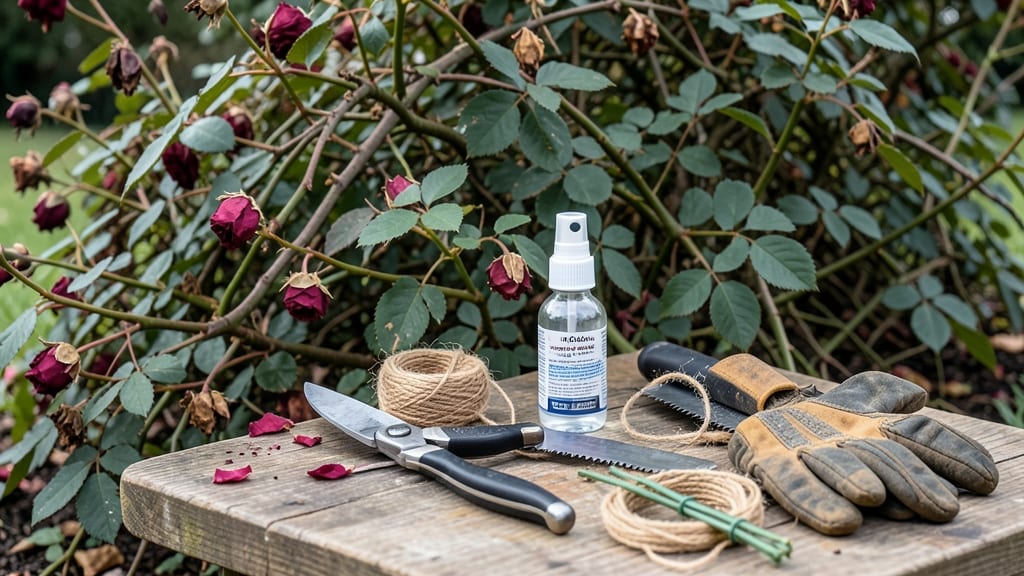
Cutting back overgrown rose bushes transforms tangled messes into lush, flowering powerhouses—I’ve revived bushes so overgrown they looked like thorny weeds into vibrant showstoppers. The key isn’t brute force but strategic cuts that encourage new growth while preserving the plant’s health.
Most gardeners hesitate because they fear cutting too much, but with the right technique, you’ll see fresh, red shoots within 10-14 days and a bush that blooms like never before.
Timing matters most: prune in late winter or early spring (just before new growth starts) when the plant is dormant. You’ll need sharp pruners, hand pruners, and rubbing alcohol to sterilize tools between cuts—this prevents disease spread.
The goal is to remove dead, crossing, or weak stems while keeping the bush’s natural shape. Think of it like sculpting: every cut should open the center for airflow and sunlight, which means fewer pests and more blooms.
Here’s the game-changer: focus on three types of cuts—heading back (shortening stems), thinning (removing entire branches), and cleaning up (trimming dead wood). After pruning, give your roses a balanced fertilizer and watch them bounce back stronger.
The first flush of blooms might be smaller, but subsequent blooms will be bigger and more abundant than ever. It’s like hitting the reset button on your bushes.
Even experienced gardeners make mistakes—like pruning too late in the season or removing too many stems at once. But the good news? Roses are forgiving.
With the right cuts, your bushes will thank you with healthier growth, fewer diseases, and a showstopping display all summer long. Ready to grab those pruners?
📚 In This Guide
- What you need
- Instructions
- Tips and common mistakes
- Wrapping up and next steps
What you need
- ● Pruning shears – Sharp, bypass-style shears (4–6 inches) for clean cuts on smaller stems.
- ● Loppers – Heavy-duty, long-handled (18–24 inches) for thicker branches (½–1½ inches).
- ● Pruning saw – Bow or pruning saw for stubborn, thick branches (1½+ inches).
- ● Gloves – Garden gloves (thick, cut-resistant) to protect from thorns and debris.
- ● Disinfectant – Rubbing alcohol (70%+) or bleach solution (1:9 bleach:water) to sterilize tools between cuts.
- ● Rake or broom – For clearing fallen leaves, debris, and cuttings afterward.
- ● Trash bags or compost bin – To dispose of diseased wood or debris (avoid composting infected plant parts).
- ○ Pruning sealant – Optional for large cuts (e.g., tree wound pruning paste) to prevent disease entry.
- ● Marker or tape – To mark branches for removal if unsure.
- ● Knee pads – For comfort if working in dense foliage.
- ● Safety glasses – To shield eyes from flying debris.
Step-by-step guide to revitalizing overgrown rose bushes
Here's how I transform tangled, unruly rose bushes into strong, flowering powerhouses with just three precise cuts.
Assess the Bush and Identify Key Growth Points
Start by examining the rose bush from all sides to locate the main canes—the thick, sturdy stems that form the bush's framework. These are your primary focus. Look for buds along the stems, which appear as small, swollen nodes where leaves or flowers will emerge. These buds are your roadmap for pruning.
I always prune on a dry, overcast day to reduce stress on the plant. If you must prune in bright sun, do it early in the morning or late afternoon to prevent sunburn on freshly cut stems. Remove any dead, diseased, or crossing branches first—these compete for energy and can harbor pests. Cut these out completely at their base, using clean, sharp pruners.
Make the First Cut: Remove Old Wood and Shape the Bush
Begin by cutting out any old, woody stems that are thicker than a pencil and show no signs of new growth. These stems are no longer productive and take energy away from younger, healthier canes. Cut these back to the ground, making a clean slice just above an outward-facing bud. This encourages the bush to grow outward rather than inward, improving airflow and sunlight penetration.
Next, shape the bush by removing any branches that are growing inward or crossing over others. Aim to create an open center that allows light and air to circulate freely. I like to visualize the bush as a vase—wide at the bottom and tapering slightly toward the top. This shape prevents congestion and reduces the risk of fungal diseases like black spot.
Thin Out Overcrowded Canes for Better Airflow
Focus on thinning out the thickest, oldest canes to promote the growth of younger, more vigorous stems. Leave about 4-6 of the strongest, healthiest canes per bush, cutting the rest back to the ground. This might seem drastic, but roses respond beautifully to this rejuvenation technique. You’ll see new growth within weeks, and the bush will reward you with stronger blooms.
When thinning, prioritize canes that are straight, healthy, and well-positioned. Avoid leaving too many canes that are crowded together, as this can lead to weak, leggy growth. After thinning, step back and assess the bush’s overall shape. If it looks uneven, adjust by cutting back slightly longer canes to balance the structure.
Encourage New Growth with Strategic Cuts
Now, focus on the remaining canes. Cut back each by about one-third to one-half of its length, making your cuts just above an outward-facing bud. This stimulates the bush to produce new growth from the buds below the cut. Avoid leaving stubs—always cut back to a bud to encourage healthy regrowth. The goal is to create a bush that’s full but not congested, with plenty of room for air to flow.
Pay attention to the topmost bud on each remaining cane. If it’s facing inward, cut back further to the next outward-facing bud. This ensures the new growth will develop outward, maintaining an open, airy structure. After pruning, dispose of the clippings properly—either compost them (if disease-free) or dispose of them in the trash to avoid spreading pathogens.
Clean Up and Apply Post-Pruning Care
Once you’ve completed the cuts, clean your pruners with rubbing alcohol to prevent the spread of disease. Remove all debris from the base of the bush and surrounding area. This reduces hiding spots for pests and fungal spores. Water the bush deeply to help it recover from the pruning stress, but avoid overwatering, which can lead to root rot.
Apply a balanced, slow-release fertilizer around the base of the bush to provide nutrients for the new growth. I like to use a fertilizer with a higher phosphorus content to encourage root and bud development. Mulch the base with 2-3 inches of organic mulch, like shredded bark or compost, to retain moisture and regulate soil temperature. This step is crucial for setting the stage for strong, healthy regrowth.
Tips & tricks for revitalizing overgrown rose bushes
These precision-focused techniques will help you transform your tangled rose bushes into thriving, blooming powerhouses with minimal stress to the plant.
Timing and Season Matters: The best time to prune roses is late winter or early spring, just before new growth begins. This timing allows the bush to recover fully before the growing season. If you're in a warmer climate, you can prune in late fall, but avoid pruning in extreme heat or cold—both can stress the plant. I've learned this the hard way after seeing roses struggle when pruned at the wrong time.
The Right Tools Make All the Difference: Invest in a pair of sharp, high-quality bypass pruners for clean cuts that heal faster. Dull blades crush stems, creating entry points for disease. I also keep a small bottle of rubbing alcohol handy to disinfect my pruners between cuts—this prevents spreading any potential pathogens from diseased branches to healthy ones.
Visualizing the Final Shape: Before making any cuts, step back and visualize the bush's final shape. Aim for a slightly tapered, vase-like form that's wider at the base and narrower at the top. This shape allows sunlight to penetrate to the center, which is crucial for preventing fungal diseases. I often sketch a rough outline in my mind to guide my cuts—it helps maintain balance and symmetry.
Post-Pruning Care is Critical: After completing your cuts, don't forget the importance of proper aftercare. Water deeply but avoid overwatering, which can lead to root rot. Apply a balanced fertilizer with higher phosphorus content to encourage strong root and bud development. I've found that adding 2-3 inches of organic mulch helps retain moisture and regulate soil temperature, creating the perfect environment for new growth.
Pro Tips for Cut Back Overgrown Rose Bushes
- These precision-focused techniques will help you transform your tangled rose bushes into thriving, blooming powerhouses with minimal stress to the plant.
- Timing and Season Matters: The best time to prune roses is late winter or early spring, just before new growth begins.
- The Right Tools Make All the Difference: Invest in a pair of sharp, high-quality bypass pruners for clean cuts that heal faster.
Frequently asked questions
Got questions about tackling those wild rose bushes?
You’re not alone! Here are answers to the most common concerns—plus a few pro tips to make the job easier and your roses healthier than ever.
When is the best time to prune overgrown rose bushes?
The ideal time depends on your rose type! For spring-blooming roses (like hybrid teas), prune in late winter or early spring (before buds swell). Repeat-blooming varieties (like floribundas) can handle a light trim in early spring and a second cut after the first flush of blooms. Avoid heavy pruning in fall—it invites disease and weakens the plant.
Do I need special tools, or will regular pruners work?
While sharp bypass pruners work for small stems, thicker branches (over ½ inch) need loppers or a pruning saw. Disinfect tools with rubbing alcohol between cuts to prevent spreading disease. A pruning sealer isn’t necessary for roses—they heal faster without it!
What if I cut too much? Can I still save my rose bush?
Don’t panic! If you’ve trimmed back more than ⅓ of the bush, your rose may look bare, but it’ll bounce back. Focus on healthy canes (green inside, no cracks) and avoid cutting into old, woody stems. Water deeply after pruning and fertilize lightly to support regrowth. New growth should appear in 4–6 weeks.
Should I remove dead or diseased wood first?
Absolutely!
Always start by sterilizing your tools and cutting out blackened, mushy, or hollow canes (signs of disease like black spot or powdery mildew). Bag and dispose of infected branches immediately—don’t compost them. Healthy wood should be green when cut open and free of blemishes.
Can I prune roses in hot or rainy weather?
Avoid pruning when it’s extremely hot (stresses the plant) or during prolonged rain (increases disease risk). Early morning on a cool, dry day is perfect. If you must prune in humidity, work late in the day so cuts have time to dry before evening dew sets in.
Pro Tip: Label your cuts!
If you’re unsure which canes to keep, mark them with twist ties or flags before cutting. This helps you visualize the bush’s shape and ensures you’re not over-pruning. Snap a photo of your progress—it’s a great reference for next year!
Wrapping up and next steps
Revitalizing your overgrown rose bushes doesn’t have to be daunting—with the right cuts and a little patience, you’ll soon have blooms that steal the show! 🌹 Remember, strategic pruning isn’t just about trimming; it’s about encouraging healthier growth and stunning flowers.
Now that you’re armed with the know-how, grab those shears and give your roses the fresh start they deserve.
Ready to see the transformation? Pick a clear day and tackle one bush at a time—your garden (and future blooms) will thank you!