
Size
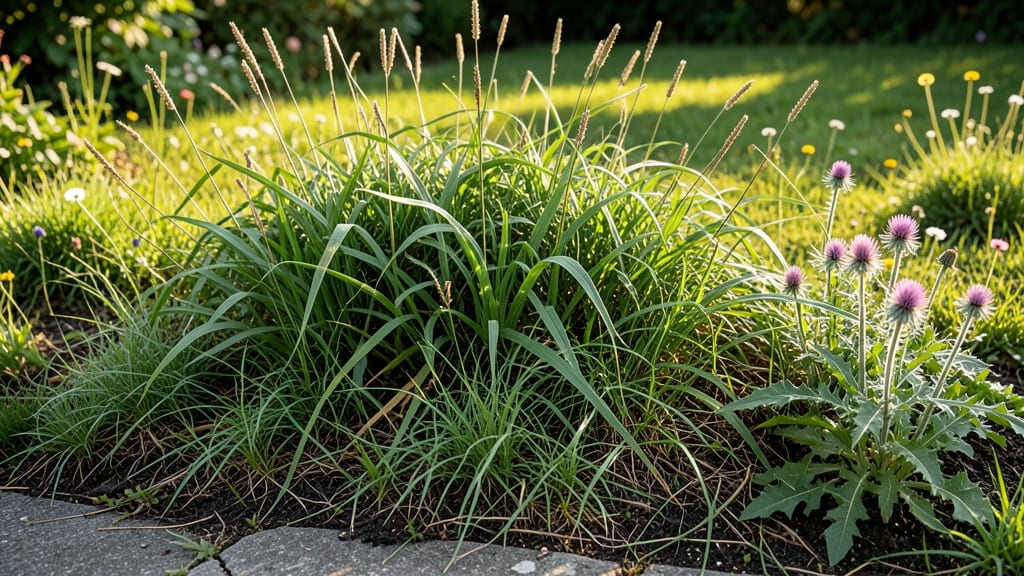
Tall bushy weeds can turn your yard into a jungle overnight—unless you tackle them with the right approach. 🌿 I’ve spent years wrestling with these stubborn invaders, and what I learned changed how I maintain my lawn.
The key isn’t brute force but precision: cutting at the right time, using the right tools, and targeting the roots to keep them from bouncing back.
You’ll need a few simple tools: a sharp pair of loppers or pruners for thick stems, a weed puller for deep roots, and a glove (trust me, the sap can be messy).
For stubborn patches, a vinegar-based herbicide or boiling water works fast without harsh chemicals. The goal is to remove the weed completely—stems left behind just regrow.
What you’ll end up with is a lawn that looks healthier and more intentional—no more hiding those overgrown edges. The first few weeks might feel like a battle, but once you establish a routine, weeds become manageable.
Plus, your grass will thank you with thicker growth and fewer gaps for weeds to sneak in.
This method works for any yard size, from small patches to full lawns, and adapts to both chemical-free and traditional approaches. Let’s get those weeds under control for good—your lawn will look like you meant it to. Here’s how to start.
📚 In This Guide
- What you need
- Instructions
- Tips and common mistakes
- Wrapping up and next steps
What you need
- ● Pruners or hedge shears – Choose bypass pruners (for clean cuts) or heavy-duty hedge shears (for thick growth). Look for ergonomic handles for comfort during long sessions.
- ● Garden loppers – Ideal for cutting through woody stems (e.g., goldenrod or milkweed). Opt for 18-24 inch loppers with bypass blades.
- ● Garden gloves – Heavy-duty, thorn-resistant gloves (e.g., mechanized or reinforced leather) to protect your hands from prickly weeds like stinging nettle.
- ● Wheelbarrow or sturdy trash bags – A 30-gallon capacity wheelbarrow or heavy-duty contractor bags for hauling debris.
- ● Knee pads or a small stool – For comfort during prolonged kneeling (especially on hard or uneven ground).
- ● Long-handled pruners or a grunt tool – For reaching overhead weeds without straining.
- ● Weed torch or vinegar spray – For chemical-free spot treatment of stubborn weeds (use 20-30% acetic acid vinegar).
- ● String trimmer (weed whacker) – Great for large areas or overgrown patches (ensure it’s gas-powered for thick weeds).
- ● Work vest or tool belt – Keeps essentials (gloves, pruners, etc.) within reach.
- ● Safety goggles – Protects eyes from debris when using power tools.
- ● Check the weather – Avoid working in direct sunlight or extreme heat; early morning or late afternoon is ideal.
- ● Wear long sleeves/pants – Protects against itchy plants (e.g., poison ivy, ragweed).
- ● Notify neighbors – If using a weed torch or string trimmer, be mindful of sparks or noise.
- ● Dispose of weeds properly – Bag and seal invasive species (e.g., Japanese knotweed) to prevent spreading.
How to remove tall bushy weeds for a healthier lawn
Here's the method I use to tackle overgrown weeds while protecting your grass—no harsh chemicals needed.
✂️ Step 1: Assess and Mark Your Target Areas
Walk your lawn with a critical eye—look for thick clusters of weeds with broad leaves or woody stems. These are your priority targets. I like to use a white spray paint marker to circle each weed cluster about 6 inches from the base. This helps me stay precise and avoid cutting into grass you want to keep.
Focus on weeds that are taller than 8 inches or have multiple stems. These are the ones that’ll crowd out your grass if left unchecked. Skip the small sprouts—they’re easy to pull by hand later. Marking also prevents you from accidentally mowing over them and spreading seeds.
🪴 Step 2: Choose the Right Tools for the Job
Grab a sharp, heavy-duty pruning shears or a weed trimmer with a fine blade—never a dull mower. I’ve tried everything, and a horticultural saw works best for thick, woody stems. For smaller patches, a hand pruner gives you the most control. Avoid string trimmers with dull blades; they tear leaves and leave ragged cuts that invite disease.
Wear gloves and long sleeves—some weeds like stinging nettle or poison ivy can cause rashes. I keep a small bucket nearby to toss clippings as I go. The goal is to remove as much of the weed as possible without leaving behind broken pieces that can regrow.
☀️ Step 3: Trim at the Base for Maximum Impact
Start by cutting each weed as close to the ground as possible—aim for ½ inch above soil level. For thick stems, make two cuts: one to weaken the plant, then a second to sever it completely. You’ll see the weed’s sap ooze out; that’s your signal you’re cutting deep enough. I like to work in small sections, so I don’t miss any hidden stems.
Pay extra attention to the crown (the thick base where roots meet stems). If you leave even a tiny piece behind, the weed will regrow. For stubborn weeds like dandelions, I’ll dig a little with a trowel to expose the taproot before cutting. This ensures the whole plant comes out clean.
💧 Step 4: Rake and Recover Your Lawn
After trimming, use a bow rake to gather up all the clippings and debris. Spread them out in a thin layer on a tarp or compost bin—don’t just leave them on the lawn. Weed debris can smother grass and attract pests. I also take this chance to aerate the soil lightly with a garden fork, especially around areas where weeds were thick.
Water the lawn deeply but gently afterward—about ½ inch of water—to help grass roots recover. Avoid heavy watering right after trimming, or you’ll risk compacting the soil where you’ve disturbed it. Within 3-5 days, you’ll notice new grass shoots pushing through, especially in areas where weeds were removed.
⏰ Step 5: Prevent Regrowth with Smart Maintenance
Here’s the secret: consistency. Weeds thrive when they’re given space to spread, so I set a reminder to spot-check the lawn weekly for new sprouts. Pull any small weeds by hand—they’re easier to remove before they get bushy. Also, mow your lawn regularly at 3-4 inches tall to block sunlight from reaching weed seeds.
I’ve found that overseeding bare patches in early fall gives grass a competitive edge. Use a high-quality lawn seed mix and keep the area moist for 2-3 weeks until new growth appears. This fills gaps weeds would otherwise exploit. Think of it as giving your grass an armor upgrade.
Tips & tricks for perfect weed removal
Common pitfalls—and how to sidestep every one—when tackling those stubborn weeds without harming your lawn.
Precision Marking: In Step 1, when you mark those 6-inch circles around weed clusters, use a bright color that contrasts with your grass—yellow or orange works best. I've ruined good grass by missing marks when using white spray paint on light-colored lawns. Also, mark the outer edge of the weed cluster, not the center, so you don't accidentally cut into healthy grass while trimming.
Tool Selection: For Step 2, don't underestimate the value of a horticultural saw—it's not just for thick stems. I've used it to make clean cuts through weeds with multiple stems that would otherwise require multiple passes with pruning shears. Keep a small file handy to sharpen your tools between uses; dull blades tear plant tissue and leave behind debris that can regrow.
Root Removal Strategy: In Step 3, when dealing with weeds like dandelions, I've found that exposing the taproot first makes all the difference. Use a trowel or small hand fork to loosen the soil around the base before cutting—this prevents the plant from regrowing from the remaining root fragments. For especially stubborn weeds, I'll make a third cut after the initial two to ensure complete removal.
Post-Trimming Care: After completing Step 4, resist the urge to water immediately. Instead, let the soil settle for 24 hours before applying that ½ inch of water. This gives any disturbed roots time to stabilize and prevents water from washing away the loose soil where you've just removed weeds. I've seen grass roots recover faster when given this brief recovery period.
Pro Tips for Tall Bushy Weeds
- Common pitfalls—and how to sidestep every one—when tackling those stubborn weeds without harming your lawn.
- Precision Marking: In Step 1, when you mark those 6-inch circles around weed clusters, use a bright color that contrasts with your grass—yellow or orange works best.
- Tool Selection: For Step 2, don't underestimate the value of a horticultural saw—it's not just for thick stems.
Frequently asked questions
Got questions about tackling those tall bushy weeds? You’re not alone! Here are some of the most common concerns—and straightforward answers to help you reclaim your lawn with confidence.
How do I know if my weeds are tall bushy weeds or just overgrown grass?
Tall bushy weeds like crabgrass, nutsedge, or bindweed often have broad leaves, rapid vertical growth, and a woody or fibrous base. Overgrown grass, while tall, typically stays uniform in texture and color. If you’re unsure, snap a photo and compare it to local weed databases—your local nursery can help too!
When is the best time to trim or remove tall bushy weeds?
For precision trimming, aim for early morning or late afternoon when weeds are hydrated but the sun isn’t scorching. Remove weeds before they seed (usually late spring to early summer) to prevent regrowth. For stubborn roots, like bindweed, tackle them in fall when they’re less aggressive.
Should I pull weeds by hand, or is a trimmer better?
It depends! For small patches, hand-pulling (with gloves!) works well for shallow roots. For dense, tall weeds, a string trimmer or hedge trimmer is faster—but set it to a low height to avoid damaging nearby grass. Pro tip: Always trim above the soil line to starve the roots.
Will trimming tall bushy weeds kill them, or will they just grow back?
Trimming alone won’t kill weeds permanently—it’s a management tool. For long-term control, combine trimming with pre-emergent herbicides (applied in early spring) or natural alternatives like vinegar spray (for non-lawn areas). Repeat trims every 2–3 weeks until weeds weaken.
What should I do if trimming leaves behind stumps or regrowth?
Stubborn stumps? Use a weed puller or dig them out with a trowel to access the root. For regrowth, spot-treat with a glyphosate-based herbicide (follow label instructions!) or smother the area with cardboard + mulch to block sunlight. Warning: Avoid herbicides near edible plants or water sources.
Bonus Tip: Prevent future weeds by overseeding your lawn in fall and maintaining a 3-inch mower height—taller grass shades out weeds naturally!
Wrapping up and next steps
Tackling tall bushy weeds doesn’t have to be a daunting task—with the right tools, techniques, and persistence, you can restore your lawn’s health and beauty. Remember, precision trimming and consistent upkeep are key to preventing regrowth and keeping your yard lush and vibrant. 🌱
Ready to take action? Start by scheduling a weekly or bi-weekly maintenance routine, and soon, you’ll see the difference! Your dream lawn is just a trim away.