
Shrubs
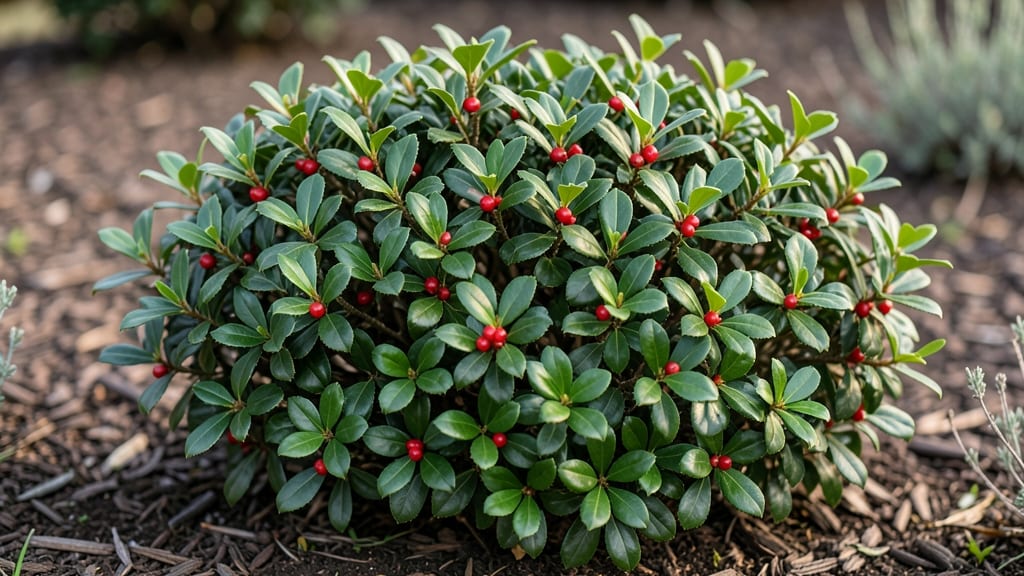
Growing Soft Touch holly bushes transforms your yard into a lush, evergreen sanctuary with almost no effort. 🌿 These bushes stand out with their uniquely soft, velvety leaves that stay vibrant all year—no winter browning, no messy thorns, just glossy foliage that feels like velvet under your fingers.
The best part? They thrive with minimal pruning, making them perfect for busy gardeners who still want that polished, high-end look.
These bushes love morning sun and afternoon shade, which keeps their leaves from scorching in summer while still getting enough light to stay dense. Plant them in well-draining soil with a touch of compost, and you’ll see them take off with minimal fuss.
Water deeply once a week (more in extreme heat) and watch them grow into a neat, rounded shape that fits beautifully in borders, hedges, or as standalone statement plants.
By late summer, you’ll notice new growth popping up, and with just a light trim in spring, they’ll stay compact and full without losing their natural charm. The soft leaves deter pests, so you won’t waste time battling aphids or spider mites like you might with other hollies.
Plus, they’re deer-resistant, which is a huge plus if you’re in a rural area.
Whether you’re lining a pathway, creating a privacy screen, or just adding texture to your landscape, Soft Touch hollies deliver year-round interest with almost no maintenance.
They’re the kind of plant that makes gardening feel easy—once you get them planted, they just work. Ready to grow one? Let’s get started!
📚 In This Guide
- What you need
- Instructions
- Tips and common mistakes
- Wrapping up and next steps
What you need
- ● Soft-touch holly bushes: 3–5 plants (depending on desired coverage; spacing 6–10 ft apart for mature size). Choose varieties like Ilex × 'Soft Touch' or Ilex glabra 'Strongbox' for glossy, prickle-free foliage.
- ● High-quality potting soil or native soil mix: 1–2 cubic yards (amend with compost for better drainage).
- ● Organic mulch: 2–3 inches of shredded bark or pine needles to retain moisture and suppress weeds.
- ● Slow-release fertilizer: 10-10-10 or holly-specific formula (follow package rates for application).
- ● Watering can or hose with a gentle spray nozzle: For deep, infrequent watering (1–2 inches per week).
- ● Gloves and long sleeves: To protect from thorns (even soft-touch varieties may have mild prickles when young!).
- ● Garden trowel or shovel: For digging planting holes (12–18 inches wide and deep).
- ● Pruning shears: Bypass pruners (sharp and clean) for minimal shaping.
- ● Measuring tape: To ensure proper spacing between plants.
- ○ Wheelbarrow: For transporting soil and mulch (optional but helpful!).
- ● Epsom salt: 1 tbsp per plant annually to boost magnesium (great for glossy foliage!).
- ● Plant food spikes: Slow-release stakes for convenience.
- ● Landscape fabric: To reduce weed competition in the first year.
- ● Decorative stakes or rings: For marking new plant locations (if visibility is low).
How to grow and maintain soft touch holly bushes
Here’s my go-to method for growing these low-maintenance, evergreen beauties—no green thumb required.
🌱 Step 1: Choose the Right Planting Spot
Soft Touch Holly thrives in partial shade to full sun, but I always plant mine in morning sun with afternoon shade—this prevents leaf scorch while keeping the foliage vibrant. The key is well-draining soil (they hate soggy roots), so if your yard holds water, amend with 2-3 inches of compost mixed into the top 12 inches of soil.
Dig a hole twice as wide as the root ball but only as deep as the container’s base. This encourages roots to spread horizontally, which stabilizes the plant and improves nutrient uptake. Gently loosen the roots if they’re circling the pot—just tease them apart with your fingers. Here’s the thing: don’t bury the root flare (the swollen area at the base of the stem). Planting too deep suffocates the plant.
☀️ Step 2: Plant and Water for Establishment
Place the holly in the hole and backfill with native soil mixed with the remaining compost. Press firmly around the base to eliminate air pockets, but don’t compact the soil—you want it loose enough for roots to penetrate easily. Water deeply right after planting (about 1 gallon per plant) to settle the soil and remove air gaps.
For the first 2-3 weeks, keep the soil consistently moist—not soggy, not bone-dry. You’ll know it’s right when the top 1-2 inches of soil feel like a damp sponge. Mulch with 2-3 inches of shredded bark around the base (but keep it 3 inches away from the stem) to retain moisture and regulate temperature. This step is critical: mulch prevents soil temperature swings, which can stress young plants.
✂️ Step 3: Prune for Shape and Health
Soft Touch Holly is one of the few hollies that tolerates minimal pruning, but I still shape mine in late winter or early spring before new growth starts. Use clean, sharp pruners (sterilize with rubbing alcohol between cuts) to make 45-degree cuts just above a leaf node. Avoid cutting into old wood—new growth only comes from current-season branches.
For shaping, I remove no more than 25% of the plant’s volume in one season. Focus on opening the center to improve airflow and light penetration. You’ll see the difference immediately: thicker foliage and fewer pests. Real talk: never shear hollies—it creates a messy, unnatural look and weakens the plant. Instead, prune selectively to encourage natural branching.
💧 Step 4: Feed and Water for Year-Round Beauty
Fertilize once in early spring with a slow-release, balanced 10-10-10 formula (about ¼ cup per plant). Water it in deeply to help the granules disperse into the root zone. After that, no more fertilizer—hollies are light feeders and prefer nutrient-poor soil. Over-fertilizing leads to weak growth and fewer berries.
Water deeply once a week during the first growing season, then taper to every 2 weeks once established (unless it’s a drought). You’ll know they’re thirsty when the leaves start to curl slightly at the edges—that’s their way of saying, “Hey, give us a drink!” Avoid overhead watering in winter to prevent fungal diseases like powdery mildew.
⏰ Step 5: Protect and Maintain Long-Term
Soft Touch Holly is deer-resistant, but I still protect my plants in winter by wrapping young specimens in burlap if temperatures dip below 10°F. Mature plants handle cold just fine, but new growth can get frostbitten. Prune out any brown or damaged branches in early spring—they won’t recover.
Watch for spider mites (tiny webs on undersides of leaves) or scale insects (white bumps on stems). If you spot them, spray with neem oil (mix 1 tablespoon per gallon of water) and repeat every 7-10 days until they’re gone. Here’s the secret: healthy hollies rarely get pests, so keep the soil moist, prune properly, and avoid over-fertilizing.
Tips & tricks for perfect soft touch holly bushes
Here's what nobody tells you about keeping these evergreens thriving with minimal fuss.
Soil Test First: Before amending your soil with compost, do a simple pH test—Soft Touch Hollies prefer slightly acidic soil between 5.0 and 6.0. If your soil is alkaline, mix in peat moss along with the 2-3 inches of compost to create the perfect growing environment. I learned this the hard way after watching my plants struggle with yellowing leaves in alkaline soil. The 12-inch deep compost mix creates an ideal root zone that mimics their natural habitat.
Root Ball Prep: When loosening circling roots, don't just pull them apart—make small vertical cuts with your pruners to break up dense root balls. This encourages faster root spread and better nutrient absorption. After planting, I like to add a handful of mycorrhizal fungi to the hole—it helps establish beneficial soil relationships right from the start. This step makes all the difference in the first 2-3 weeks of establishment.
Winter Protection Hack: Instead of wrapping young plants in burlap when temperatures dip below 10°F, I use frost cloth—it's lighter, breathable, and lets sunlight penetrate while still protecting tender new growth. Secure it loosely so it doesn't touch the leaves, which can cause moisture buildup and rot. For mature plants, I simply add an extra 2-3 inches of mulch around the base for insulation.
Pruning Timing: The late winter/early spring timing for pruning is crucial because it allows the plant to heal before summer heat stress. I always prune right after the last hard frost but before buds swell—this gives the plant 6-8 weeks of growing season to recover. Watch for the 45-degree angle cuts to be clean and precise; jagged cuts invite disease. The 25% volume rule prevents over-pruning that can stress the plant.
Pro Tips for Soft Touch Holly Bushes
- Here's what nobody tells you about keeping these evergreens thriving with minimal fuss.
- Soil Test First: Before amending your soil with compost, do a simple pH test—Soft Touch Hollies prefer slightly acidic soil between 5.0 and 6.0.
- Root Ball Prep: When loosening circling roots, don't just pull them apart—make small vertical cuts with your pruners to break up dense root balls.
Frequently asked questions
Got questions about keeping your soft touch holly bushes lush and thriving? Here are answers to the most common ones—so you can enjoy their glossy beauty with ease!
How often should I prune my soft touch holly bushes?
Prune your soft touch holly bushes once a year, ideally in late winter or early spring (before new growth starts). Light shaping is all they need—avoid heavy cuts to preserve their natural shape and dense foliage. Pro tip: Use clean, sharp pruners to prevent disease and encourage healthy regrowth.
Are soft touch holly bushes deer-resistant?
Yes! These holly varieties are deer-resistant thanks to their leathery, slightly prickly leaves. While no plant is 100% deer-proof, soft touch holly is a much better choice than traditional hollies for areas with deer pressure. Bonus: Their glossy foliage deters pests too!
How cold-hardy are soft touch holly bushes?
Soft touch holly bushes thrive in USDA Zones 5-9, making them versatile for most U.S. climates. They handle winter well but may need mulch protection in colder zones (Zone 5) to shield roots from extreme cold. Pro tip: Water deeply before the first frost to help roots withstand winter.
Can I grow soft touch holly bushes in containers?
These bushes adapt well to large containers (at least 18-24 inches deep) with well-draining soil. Choose a pot with drainage holes and repot every 2-3 years to refresh the soil. Note: Container-grown hollies may need more frequent watering in hot weather.
Why are the leaves on my soft touch holly turning yellow?
Yellowing leaves usually signal overwatering, poor drainage, or nutrient deficiency. Check soil moisture—holly prefers slightly acidic, well-draining soil. If roots are soggy, improve drainage or reduce watering. Feed with iron if yellowing persists (a sign of chlorosis).
What’s a good alternative if I want berries?
If you love the look of holly but want berries, try ‘Dwarf Burford’ or ‘Winter King’ hollies. They produce red berries (though not as abundant as traditional hollies) and have a similar soft, glossy foliage. Note: Male and female plants are needed for berries!
Wrapping up and next steps
Soft touch holly bushes are the perfect low-maintenance yet stunning addition to any landscape, offering year-round color and texture with minimal effort.
Their glossy, velvety leaves and adaptability make them a favorite for both beginners and seasoned gardeners alike—just remember to prioritize proper placement and occasional pruning for long-term health. 🌿
Ready to elevate your outdoor space? Start by selecting the right variety for your climate and soil, then plant with care—your future "evergreen star" will thank you with vibrant beauty for years to come! 🌟