
Pruning
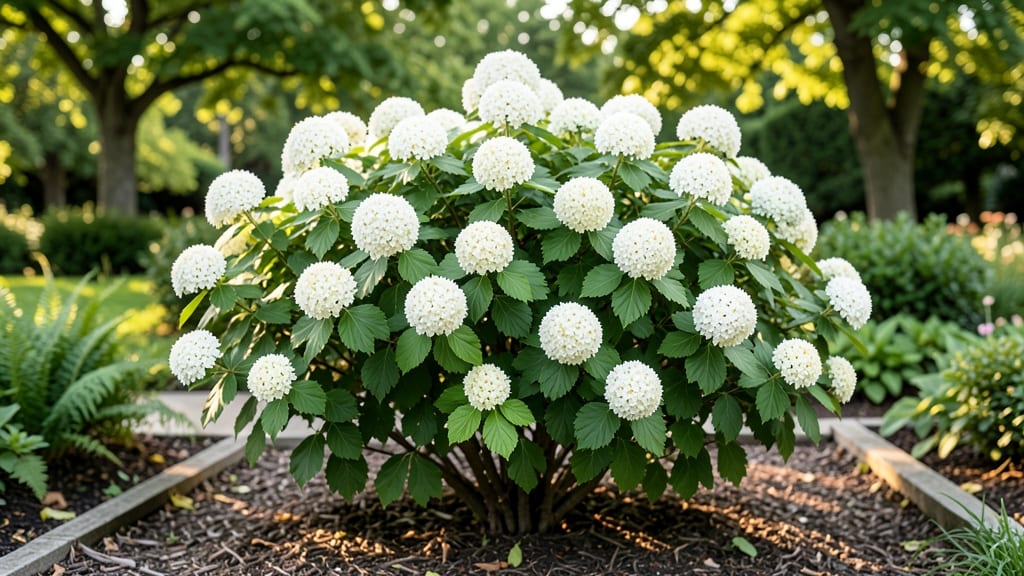
Snowball shrub bushes turn your yard into a lush, fragrant privacy screen with almost no work. 🌿 I planted mine last spring, and now they’re covered in white blooms that smell like springtime—no matter the season. These bushes thrive in partial shade, resist pests, and grow into dense, rounded shapes that block views beautifully.
They’re low-maintenance powerhouses: just plant them in well-draining soil, water deeply once a week, and prune lightly after flowering. No shearing, no fuss—just stunning blooms from spring to summer, followed by bright red berries that birds adore. Perfect for hedges, borders, or even container gardens.
By winter, their evergreen foliage keeps the look alive, and the structure stays compact without aggressive pruning. You’ll end up with a year-round privacy screen that’s easier to care for than most shrubs—and neighbors will ask how you keep it so effortless.
Works in zones 3-8, handles urban pollution, and even tolerates clay soil. Here’s how to get yours thriving with minimal effort—no green thumb required.
📚 In This Guide
- What you need
- Instructions
- Tips and common mistakes
- Wrapping up and next steps
What you need
- ● Snowball Shrub Bush (Viburnum opulus) – 1-3 plants (depending on desired coverage). Choose healthy, disease-free specimens from a reputable nursery.
- ● Well-draining soil – A mix of topsoil, compost (20-30%), and perlite or sand (10-15%) for optimal drainage.
- ● Organic mulch – 2-3 inches of shredded bark, wood chips, or pine straw to retain moisture and suppress weeds.
- ● Slow-release fertilizer – 10-10-10 or a balanced organic option (follow package instructions for application rates).
- ● Garden trowel or spade – For digging planting holes (12-18 inches wide and deep).
- ● Pruning shears – Sharp, bypass-style shears (for clean cuts and minimal damage).
- ● Gloves – Heavy-duty garden gloves to protect your hands from thorns and rough bark.
- ● Watering can or hose with a gentle nozzle – For deep watering (1-1.5 gallons per plant initially).
- ● Rake – To level soil and spread mulch evenly.
- ● Soil pH tester – To ensure your soil is slightly acidic to neutral (pH 5.0-7.0).
- ● Epsom salt – A magnesium boost for lush foliage (1 tbsp per foot of plant height, applied in early spring).
- ● Fungicide (preventative) – Copper-based or neem oil spray to ward off powdery mildew (especially in humid climates).
- ● Stakes and twine – For young plants in windy areas (to support growth until roots establish).
How to plant and maintain a snowball bush for year-round privacy
Here's how I transform a simple planting into a lush, low-maintenance privacy screen that thrives through all seasons.
🌱 Step 1: Choose the Perfect Planting Location
Snowball bushes (Viburnum opulus) thrive in partial shade to full sun, making them ideal for northern exposures or filtered light gardens. I always look for spots with at least 4 hours of direct sunlight—this ensures those iconic white spring blooms and vibrant fall foliage. Avoid areas where afternoon sun would scorch leaves in summer.
Check soil drainage before planting. These shrubs hate soggy roots, so if your yard holds water, amend the soil with 2-3 inches of compost mixed into the top 12 inches of native soil. The ideal planting spot should also provide 6-10 feet of space between shrubs for mature growth—this prevents overcrowding and improves air circulation, which reduces disease risk.
🪴 Step 2: Dig and Plant for Long-Term Stability
Dig a hole twice as wide as the root ball but no deeper—this encourages outward root growth rather than forcing roots to circle at the bottom. Gently loosen the roots if they're pot-bound, then position the shrub so the top of the root ball sits 1-2 inches below ground level. This slight burial helps stabilize the plant and prevents stem rot from fluctuating moisture levels.
Backfill with native soil mixed with 1 part compost to improve fertility. Water deeply to settle the soil, then add a 2-inch layer of mulch (like pine bark or shredded leaves) around the base, keeping it 3 inches away from the stem. This mulch layer retains moisture, regulates soil temperature, and suppresses weeds—critical for young shrubs still establishing roots.
☀️ Step 3: Water Deeply and Establish a Routine
Water once a week for the first month, providing 1-2 gallons per shrub until the soil is moist 6 inches deep. You'll know it's enough when water drains through the hole—no puddling. After the first month, reduce to every 10-14 days unless your area experiences dry spells longer than 3 weeks, then return to weekly watering.
Snowball bushes develop deep taproots once established, so they become drought-tolerant. However, young plants need consistent moisture to prevent transplant shock. Watch for wilting leaves or soil pulling away from the pot (if still in container) as signs they need water. Avoid overhead watering—it can promote fungal diseases on the dense foliage.
✂️ Step 4: Prune Strategically for Fullness and Flowers
Prune right after flowering (late spring) to shape the shrub and encourage next year's blooms. Remove 1/3 of the oldest stems at the base to rejuvenate growth—these stems produce fewer flowers as they age. For shaping, cut back any branches that grow inward or cross each other, always making cuts just above a leaf node to promote new growth.
Skip heavy pruning in fall or winter—you'll miss the spring blooms. If you notice leggy growth, trim back by 1/3 in early spring before buds swell. Snowball bushes respond well to pruning, so don't fear shaping them into a rounded form. Just avoid cutting into old wood (grayish-brown stems)—it won't regrow.
🌿 Step 5: Seasonal Care for Year-Round Beauty
In spring, fertilize with a balanced 10-10-10 formula at half strength when new growth appears. This supports the energy demands of flowering and leaf production. In fall, apply a 2-inch layer of mulch to protect roots from freezing temperatures and retain moisture for early spring growth.
Watch for aphids or spider mites on new growth—these pests love the tender leaves. Blast them off with a strong stream of water or treat with neem oil if they persist. Snowball bushes are generally pest-resistant, but stressed plants (from drought or poor drainage) attract more problems. A healthy shrub with proper spacing and care will provide privacy, color, and structure for decades with minimal effort.
Tips & tricks for perfect snowball bush planting
Took me years to perfect these details—here's how I ensure my snowball bushes thrive with minimal fuss.
Location Intelligence: That 4 hours of sunlight in Step 1 is non-negotiable for the signature blooms. I test spots by observing how sunlight moves across your yard at different times of day—morning sun with afternoon shade works best in hot climates. Pro tip: Plant on the north side of fences or buildings to create natural shade in summer while still getting morning light.
Root Ball Strategy: When planting in Step 2, I always score the sides of the root ball with a knife before loosening—this encourages roots to grow outward immediately rather than circling. The 1-2 inch burial is crucial: any deeper risks stem rot, while too shallow exposes roots to temperature swings. For container-grown plants, gently squeeze the root ball to check if it's pot-bound before loosening.
Watering Wisdom: The 6-inch deep moisture check in Step 3 is your best friend. I use a screwdriver to test soil moisture—if it comes out clean, you've watered enough. For the first month, I set a reminder on my phone for that weekly watering to avoid transplant shock. After establishment, these bushes are drought-tolerant, but I still check during prolonged dry spells by looking for wilting leaves as your early warning system.
Pruning Precision: That 1/3 oldest stems in Step 4 is where the magic happens for next year's flowers. I mark stems with a piece of tape before cutting to avoid removing too much. For shaping, I always cut at a 45-degree angle just above a leaf node—this creates a larger surface for new growth. The grayish-brown stems are your pruning guide: never cut into these as they won't regrow, but you can remove them completely at the base.
Pro Tips for Snowball Shrub Bush
- Took me years to perfect these details—here's how I ensure my snowball bushes thrive with minimal fuss.
- Location Intelligence: That 4 hours of sunlight in Step 1 is non-negotiable for the signature blooms.
- Root Ball Strategy: When planting in Step 2, I always score the sides of the root ball with a knife before loosening—this encourages roots to grow outward immediately rather than circling.
Frequently asked questions
How fast does a snowball shrub bush grow?
A snowball shrub typically grows 12–24 inches per year under ideal conditions (full sun to partial shade, well-drained soil). In the first few years, growth is slower, but it matures into a 6–10-foot-tall bush with a 6–12-foot spread. Patience pays off—it’s a slow-and-steady winner for privacy!
When is the best time to prune a snowball shrub?
Prune right after flowering (late spring to early summer) to avoid cutting off next year’s blooms. Never prune in fall or winter—it can encourage weak growth or frost damage. For shaping, use clean, sharp shears and remove no more than 1/3 of the plant per year.
Can snowball shrubs handle cold winters?
These shrubs are hardy in USDA zones 3–7 and thrive in cold climates. Mulch the base with 2–3 inches of organic material (like wood chips) in late fall to protect roots. Just avoid piling mulch against the stems to prevent rot.
What if my snowball shrub isn’t blooming?
No flowers? Check these fixes:
- Too much shade → Move to at least 4–6 hours of sunlight daily.
- Over-pruning → Avoid cutting back old wood (blooms form on 2-year-old stems).
- Poor soil → Amend with compost for better nutrients.
- Age → Young shrubs (under 3 years) may not bloom yet—be patient!
What’s a good alternative if I need faster privacy?
If you want quick coverage, consider these snowball shrub lookalikes with faster growth:
- Hydrangea (12–24”/year, loves shade, big blooms)
- Weigela (18–36”/year, pink flowers, drought-tolerant)
- Forsythia (24–36”/year, early spring yellow blooms)
Pro tip: Plant snowball shrubs in groups for a fuller, faster privacy screen—just give them space to spread!
Wrapping up and next steps
Transforming your outdoor space into a lush, private haven doesn’t have to be a chore—thanks to the snowball shrub bush. With its low-maintenance charm and stunning year-round appeal, this beauty is perfect for busy gardeners who still crave curb appeal.
Whether you’re a pruning pro or just starting out, its forgiving nature makes it a winner for effortless elegance.
Ready to take the next step? Plant one this season and watch your yard thrive with minimal effort! For extra inspiration, browse local nurseries or check out pruning guides tailored to your climate. Your future self—and your neighbors—will thank you! 🌿✨